Stunning Horizontal Cedar Fence Designs for Modern Outdoor Spaces
Horizontal cedar fence designs bring a timeless, natural warmth to outdoor spaces that few materials can match. As a durable and visually appealing option, western red cedar or eastern white cedar offers a rich amber tone that weathers gracefully to a soft silver gray, giving homeowners a versatile backdrop for gardens, yards, and architectural details.
Beyond aesthetics, these horizontal fence boards are celebrated for their natural resistance to rot, insects, and moisture, which makes them a smart long term investment for climates with rain or humidity. When installed with thoughtful spacing and minimalist or decorative hardware, a horizontal cedar fence can become a defining feature that elevates curb appeal while providing privacy and wind protection.
Layouts and Spacing Strategies
The layout of horizontal cedar fence boards dramatically influences the overall character of the project, with cleaner gaps creating a modern look and tighter configurations delivering a more traditional, solid appearance. Choosing the right spacing between each cedar fence slat helps balance privacy needs with airflow, which reduces the risk of warping or mold growth over time.


Professional installers often recommend consistent reveal measurements, whether using thin hairline gaps for a streamlined urban style or wider breaths of air for a relaxed, rustic vibe. The way horizontal boards meet gates, posts, and corners also affects both function and curb appeal, so planning these transitions before installation saves time and material waste.
Board on Board Construction
Lapped Horizontal Patterns
Board on board horizontal cedar fence designs involve overlapping adjacent boards by roughly half their width, creating a layered, interlocked profile that feels substantial and contemporary. This method offers increased privacy and a sculpted texture while still allowing for subtle color variations between each cedar board.


From a maintenance perspective, the overlapping arrangement can encourage faster drying after rain, which helps protect the wood fibers. Homeowners often pair this layout with dark graphite or natural cedar stains to emphasize the shadow lines between overlapping boards for a dramatic finish.
Lapped horizontal patterns stack each course in a staggered, brick like configuration that lets rainwater drip off efficiently. This design is especially popular in coastal and modern farmhouse projects, where clean lines meet organic materials. The slight offset creates visual rhythm and can make a narrow side yard feel more expansive without sacrificing privacy.
Color, Texture, and Fastening Details
The grain structure of cedar gives horizontal fence designs a gentle, tactile surface that feels warm under bare hands and adds subtle depth in sunlight. Fine knots, swirls, and occasional streaks of pink or tan create a one of a kind look that ages gracefully, so each fence section tells a story through its natural markings.

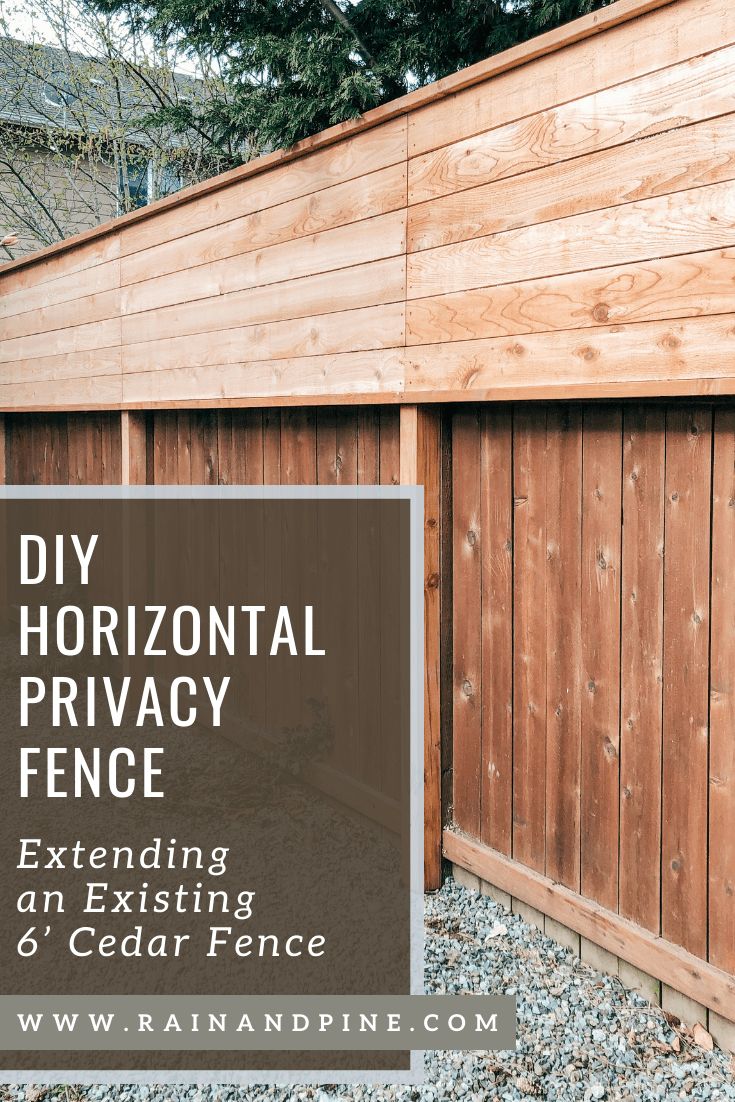


Using minimal metal fasteners, such as hidden clips or coated steel screws driven into the edges, reduces visible hardware and keeps the focus on the wood. Thoughtful finishing choices, like semi transparent oils or light sealants, protect the surface while preserving the wood's natural texture and appearance.
Maintaining Natural Grain Appeal
Concealed Clip Systems
To preserve the clean sightlines of horizontal cedar boards, many builders opt for concealed clip systems that attach under each board rather than drilling rows of visible screws. These clips snap into grooves along the board edges, allowing for slight movement with moisture changes while keeping hardware out of sight.
This approach simplifies future board replacements because individual sections can be lifted without dismantling the entire fence run. Homeowners who love the natural cedar tone but want a modern, maintenance friendly installation often choose this method for its sleek profile and long term durability.


Visible fasteners, such as classic bronze or black steel screws driven every twelve inches, create a deliberate, handcrafted aesthetic that suits traditional and transitional homes. The slight contrast between metal and wood can highlight the horizontal lines, especially when homeowners coordinate screw color with nearby fixtures or hardware.
Smooth vs. Rubbed Finish
Oil Versus Sealant Protection
Smooth cedar fencing feels consistent and modern, while a rubbed or wire brushed texture adds rustic depth and softens sharp edges. Choosing between these surface treatments depends on whether you want a refined resort like look or a more artisanal, hand crafted character.
Applying a light penetrating oil enhances the cedar's grain and extends its life, whereas a film forming sealant can provide a longer shield against surface mold. Both approaches preserve the horizontal profile of the boards, though periodic re application schedules differ based on climate exposure and product choice.
Integrating With Landscape and Architecture
Horizontal cedar fence designs work beautifully when aligned with pathways, decks, or exterior cladding, creating a cohesive language of wood throughout the property. Repeating similar board widths, angles, or shadow lines ties the fence to nearby hardscape and architectural features.
For sloped yards, stepped horizontal rails or terraced fence panels adapt to the grade while maintaining a sense of order. Integrating built in seating, planters, or subtle backlighting along the base of the fence can transform a simple boundary into a multifunctional outdoor room.
Terraced Slope Solutions
Coordinating With Exterior Cladding
On steep or irregular terrain, terraced horizontal cedar fences break the climb into manageable segments, improving both stability and visual pacing. Each level can host a slightly different board color or spacing to create a layered, sculpted effect that feels intentional and designed.
When the fence echoes the profile of horizontal lap siding, shiplap, or board and batten cladding, the home's exterior appears more unified. Matching the fastener style, board thickness, and edge detail across these surfaces reinforces a cohesive design narrative from the ground up.
As you explore options for defining your outdoor space, consider how horizontal cedar fence designs can balance personal taste with climate needs and architectural context. Taking time to evaluate grain patterns, fastener visibility, and long term finish strategies will help ensure the fence remains attractive and functional for years to come.
Related Articles
100+ Stunning Wood Fencing Horizontal Ideas: Modern & Durable Designs
Horizontal fence ideas transform standard backyard boundaries into striking design features that boost both curb appeal and functionality. A wood fencing...

Stunning Horizontal Metal Fence Ideas Modern Designs DIY
Horizontal metal fence ideas offer a clean, modern solution for defining property lines while maintaining an open sightline. This style emphasizes straight...

Stunning Horizontal Slat Fence Ideas for Modern Outdoor Design
Horizontal slat fence ideas offer a timeless aesthetic that blends clean lines with versatile functionality for modern outdoor spaces. This classic style uses...

50 Stunning Horizontal Slat Privacy Fence Ideas for Modern Outdoor Design
Horizontal slat privacy fence ideas offer a timeless design that balances functionality with curb appeal for many homeowners. This classic style creates a...
Stunning Horizontal Cedar Fence Ideas for Modern Garden Design
Horizontal cedar fence ideas bring a warm, natural charm that instantly elevates the curb appeal of any property. The unique grain and rich color depth of...
25 Stunning Horizontal Cedar Fence Styles for Modern Backyard Design
Horizontal cedar fence styles bring a timeless, natural warmth to outdoor spaces that few other materials can match. As a durable and aromatic wood, western...