DIY Canvas: How to Make Canvas at Home
Creating your own canvas at home is a rewarding way to save money and customize your art experience. Many beginners wonder how can i make canvas at home without professional equipment or toxic chemicals, and the answer is simpler than you might think. With basic household items and a bit of patience, you can produce surfaces ready for oil, acrylic, or watercolor painting. This guide focuses on safe, accessible methods that deliver professional results while keeping your workspace non toxic.
The process begins with understanding what a canvas is at its core a tightly woven fabric stretched over a frame, primed to accept paint and stay stable over time. By learning how can i make canvas at home, you gain control over texture, weight, and sizing, tailoring each surface to your specific artistic needs. Whether you are preparing for a large commission or simply experimenting with new techniques, a homemade canvas can be just as reliable as a store bought one.
Choosing and Preparing Your Materials
The foundation of any quality surface starts with the right materials, and selecting them carefully ensures durability, tooth, and paint adhesion. You will need a sturdy frame, a tightly woven fabric like cotton duck or linen, gesso or a homemade primer, and basic tools such as a staple gun or tacks. Avoid using materials that are heavily treated with chemicals, especially if you plan to work indoors or without ventilation, since low toxicity options keep your environment safe.


Before stretching the fabric, inspect your frame for any splinters or weak joints, because a solid structure prevents the canvas from warping later. If you are learning how can i make canvas at home, consider starting with a small, inexpensive frame to practice tension and priming techniques. Cotton duck is an excellent beginner fabric because it is affordable, readily available, and provides enough tooth for most acrylic and oil applications without the cost of linen.
Frame Construction and Fabric Selection
Building or repurposing a frame is easier than it seems, and many artists use pre made wooden frames from art stores or even sturdy pieces of scrap lumber. When cutting or assembling the frame, aim for straight corners and secure joints so the canvas does not buckle under paint or stretching pressure. If you are experimenting with how can i make canvas at home, choose a frame that is slightly smaller than your fabric, leaving enough overhang to pull and staple the material tautly.
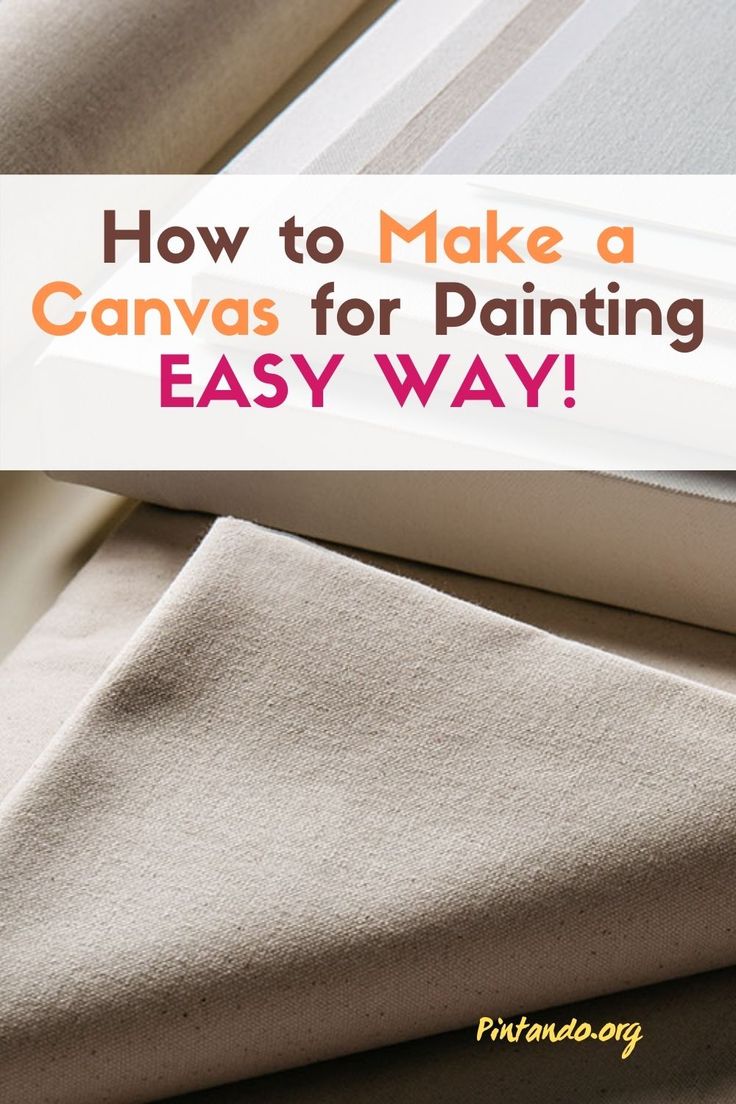


The fabric you select determines much of the surface texture, so consider the thread count and fiber content before committing. Cotton duck is a popular choice for its balanced stiffness and affordability, while linen offers a finer, more responsive surface for detailed work. For a truly non toxic approach, look for untreated, natural fibers and avoid synthetic blends that may release fumes when primed, particularly in poorly ventilated spaces.
Priming the Fabric Surface
Priming is the step that transforms a bare fabric into a reliable painting surface, and it plays a critical role in how paint sits on the canvas. Traditional gesso, made from chalk, pigment, and binder, creates a slightly absorbent tooth that grips oil and acrylic paint, but you can also experiment with homemade mixtures for a more accessible option. When exploring how can i make canvas at home, remember that multiple thin coats are better than one thick layer, because they prevent cracking and ensure even drying.
Apply the first coat with a wide brush or a clean sponge, moving in one direction to align the fibers and reduce fuzziness. After it dries, lightly sand the surface with fine grit sandpaper to smooth uneven spots before adding a second or third coat. This layering technique not only improves adhesion but also builds a subtle texture that can enhance your final artwork, especially for pieces that require fine control.


Stretching and Finishing the Canvas
Stretching the fabric tightly is what gives a canvas its stability and prevents sagging, and it is one of the most satisfying parts of the process. Secure the fabric to the frame using a staple gun, starting from the center of each side and working outward to maintain even tension. When you follow instructions on how can i make canvas at home, focusing on consistent pulling force ensures that the surface feels firm under your fingers and responds predictably to each brushstroke.
Once the fabric is anchored, trim excess material with sharp scissors, leaving a small allowance to fold over the edges. Folding and securing the raw edges on the back of the frame prevents fraying and creates a clean, professional appearance. For artists who want to refine their approach later, this is also the perfect moment to experiment with different weights of fabric or additional sealing layers, adapting the surface to specific projects.
Securing the Edges and Backing
Finishing the edges neatly is more than an aesthetic choice; it protects the fabric from unraveling and gives the canvas a gallery ready look. Use a sturdy folding technique, where the edges are tucked under and stapled in small increments, creating a smooth profile that slides easily into frames or stands alone. As you explore how can i make canvas at home, consider labeling each piece with the priming date and fabric type, which helps track performance and maintain consistency across series.


Adding a simple paper or cardboard backing completes the structure and shields the primed surface from dust and accidental damage. You can attach this backing with tape or small brackets, ensuring that it does not press directly against wet gesso if the canvas is freshly primed. This final protective step is especially valuable for beginners who may need to transport or store their work before it is painted.
Customizing Your Surface for Different Mediums
Not all paints behave the same way, and adjusting your surface preparation helps you get the most from oils, acrylics, or water based mediums. If you are working with oils, a slightly more absorbent gesso or an additional coat of rabbit skin glue can slow drying time and allow for smoother blending. For acrylics, a standard gesso provides enough tooth while still supporting fast layered applications, making it ideal for experimental techniques.
Watercolor artists often seek a smoother, less absorbent surface, which can be achieved by applying several coats of diluted gesso or using a specialty watercolor canvas. In this context, understanding how can i make canvas at home means tailoring the priming mixture to the chemistry of your chosen paint, ensuring colors remain vibrant and brushwork stays precise. Testing small swatches before committing to a full sheet helps you refine the balance between texture and absorbency.
Adding Texture and Specialty Effects
Surface texture is a powerful creative tool, and you can easily modify your homemade canvas to suit different styles. Mixing fine modeling paste into the gesso creates interesting ridges and peaks, perfect for impasto work or abstract compositions. When learning how can i make canvas at home, keep in mind that heavier textures may require additional coats of primer to fully cover the fabric beneath.
For a cleaner, more minimalist surface, avoid additives and focus on achieving an even, slightly toothy layer that supports controlled brush movement. Artists who enjoy glazing or building subtle layers often prefer a smoother finish, while those who work alla prima appreciate a more pronounced tooth that grabs the pigment. Customizing texture early on saves time later and helps each piece maintain a consistent visual language.
Environment and storage also play a role in the longevity of your surfaces, so keep finished canvases in a dry, stable area away from direct sunlight. Checking the priming periodically, especially for older homemade pieces, helps you catch any signs of wear before they affect your artwork. By treating each canvas as a carefully prepared stage, you set yourself up for consistent results and greater creative confidence.
Testing and Troubleshooting Common Issues
Even with careful preparation, issues like bubbling, warping, or uneven priming can occur, and knowing how to respond is part of mastering how can i make canvas at home. If bubbles appear during stretching, gently pierce them with a pin and press the fabric flat, then add a bit more tension before securing. Warping often results from uneven coating or moisture, so control your environment and apply primer layers consistently.
When paint does not adhere as expected, test a small area first and consider adding another thin coat of gesso or lightly sanding the surface to improve grip. Keeping a record of your materials, techniques, and results transforms each project into a learning experience, helping you refine your process over time. With practice, you will develop an intuitive sense for creating surfaces that feel responsive, reliable, and tailored to your artistic voice.
Experimenting with homemade canvas brings new dimension to your artistic practice, turning a simple surface into a partner in your creative process. As you refine your techniques, you will discover how different fabrics, primers, and stretching methods influence your workflow and final results. Every sheet you prepare at home carries your personal touch, giving you the freedom to explore without limits and the confidence to tackle ambitious projects.
Related Articles

How to Make a Simple Lava Lamp at Home: Easy DIY Tutorial
Creating a simple lava lamp at home is an exciting way to bring a relaxing and mesmerizing element into your personal space while understanding how density and...

Mastering Home Brew: How to Make Beer at Home
Embarking on a journey to brew your own beer at home can be an incredibly rewarding experience. Not only does it allow you to enjoy a unique, homemade...

How to Make a White Bathroom Look Warm Cozy Like Home
Many people assume that a white bathroom has to feel cold, clinical, and sterile, but this is a misconception that limits design potential. With a few...

How to Make Handprint Ornaments at Home: Easy DIY Guide
Add a touch of personal charm to your holiday decorations this year by creating handprint ornaments at home. Not only are these ornaments a fun and engaging...

Profitable Woodworking Ideas to Make Extra Money at Home
Turning your passion for creating with wood into a steady stream of extra income is more achievable today than ever before, and this guide will walk you...

Easy Meals for Seniors to Make Ahead Healthy Prep Recipes
Meal prepping is a lifesaver for seniors, ensuring they have nutritious and delicious meals ready to enjoy, even on busy or challenging days. With a little...