How to Write a Memorial Service Program: A Step-by-Step Guide
Crafting a memorial service program is a thoughtful and respectful way to honor the life of a loved one. It serves as a guide for attendees, helping them navigate the service and understand its significance. Here, we'll walk you through the process of creating a memorial service program, ensuring it's both meaningful and informative.
Before we dive in, remember that this is a deeply personal task. The program should reflect the unique life and personality of the deceased. Take your time, and don't hesitate to ask family members or close friends for their input and memories.
Understanding the Purpose and Format
The primary purpose of a memorial service program is to provide a clear outline of the service, including speakers, readings, and musical performances. It also offers an opportunity to share biographical information about the deceased, helping attendees understand their life journey.


Typically, a memorial service program follows this format:
- Title page with the deceased's name and a photo
- Order of service, including time allocations for each element
- Biographical information and tributes
- List of participants, such as speakers and musicians
- Practical information, like the location of the reception and how to make donations
Creating the Title Page
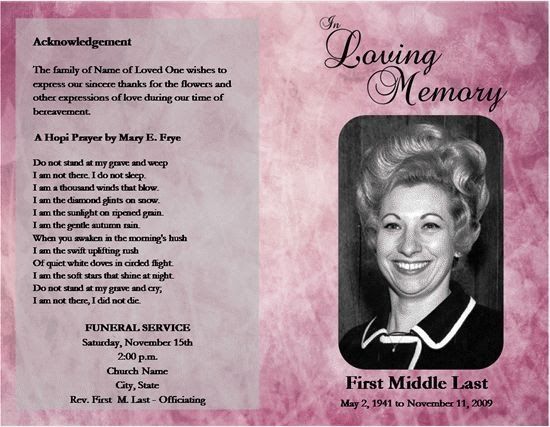
The title page is the first thing attendees see. It should be inviting and reflective of the deceased's personality. Include their full name, a recent photograph, and a brief, heartfelt message. You might also consider adding a favorite quote or a symbol that held significance for them.


Here's a simple example:
In Loving Memory of Johnathan "Johnny" Smith 1950 - 2022 "Life is what we make it, always has been, always will be." - Grandma MosesOrder of Service: Structuring the Memorial Service
Next, outline the order of the service. This helps attendees follow along and understand the significance of each element. Include the start and end times, as well as approximate durations for each section. Here's a basic structure:
- Welcome and Introduction
- Opening Remarks
- Readings or Poems
- Eulogy or Speakers
- Music or Hymns
- Moment of Silence or Meditation
- Closing Remarks and Benediction
Crafting Biographical Information and Tributes
This section is your opportunity to share the story of the deceased's life. It should be engaging, informative, and heartfelt. Start with their birth and early life, then highlight key moments, achievements, and personal interests. End with a reflection on their impact on others.


Consider including photos or anecdotes to illustrate their life. You might also consider including a favorite recipe, a list of their favorite books, or other personal touches that paint a vivid picture of their personality.
Including Tributes and Condolences
Encourage family members, close friends, or colleagues to share their favorite memories or tributes. These can be included in the program or distributed separately. If you choose to include them in the program, ensure they're respectful, appropriate, and add value to the overall narrative of the deceased's life.
Here's an example of a tribute:



Listing Participants and Practical Information
List the names of speakers, musicians, and other participants in the service. Include their relation to the deceased or their role in the service. This helps attendees connect with the service on a deeper level.
Finally, include practical information, such as the location of the reception, how to make donations to a chosen charity, or information about the burial or scattering of ashes. This helps attendees understand what comes next and how they can continue to honor the deceased's memory.
Creating a memorial service program is a labor of love. It's an opportunity to celebrate the life of a cherished individual and provide comfort to those who mourn. Take your time, involve others who knew and loved the deceased, and let the program reflect the unique beauty of their life. As you conclude this thoughtful task, remember that the service itself is the culmination of your efforts, a chance to say goodbye and find solace in shared memories."
Related Articles
How to Write a Memorial Service Program: A Step-by-Step Guide
Crafting a memorial service program is a thoughtful and meaningful task that helps honor and remember a loved one. It's an opportunity to celebrate their life...

"Planning a Heartfelt Memorial Service at Home: A Step-by-Step Guide"
Planning a memorial service at home can feel like a deeply personal journey, offering a quiet space to honor a life lived with intention and love. This...

DIY Memorial Service Program Ideas Elegant Personalized Tribute Guide
Creating a thoughtful and organized diy memorial service program offers a gentle way to honor a life while guiding loved ones through the ceremony. This...

DIY Celebration of Life Program Ideas Memorial Service Planning Guide
Planning a DIY celebration of life program allows you to honor a loved one in a way that feels intimate, authentic, and deeply personal. Instead of following a...

Mastering Vignettes: A Step-by-Step Guide to Writing
Crafting a vignette, a short, impressionistic scene or moment, is an art form that allows writers to explore themes, emotions, and sensory experiences in a...

How to Gift a Meal Delivery Service: Step-by-Step Guide
Looking for a thoughtful gift that keeps on giving? A meal delivery service subscription is an excellent choice that caters to both food enthusiasts and busy...