How Much Does It Cost to Paint Metal Railings: Pricing Guide
Understanding how much it costs to paint metal railings is essential for homeowners looking to refresh their outdoor spaces or revitalize interior features. This type of project can dramatically improve curb appeal and safety, turning worn-out fixtures into polished highlights that complement any architecture.
Many people assume that a simple paint job is cheap and straightforward, but the reality involves several variables that impact the final budget. From the condition of the railings to the choice of paint and the complexity of the installation location, each detail plays a role in determining the total expenditure.
Material and Surface Preparation Costs
The first major factor influencing the budget is the preparation of the metal surface, which is critical for ensuring paint adheres properly and lasts for years. If the railings are rusty, peeling, or covered in old grease, they must be cleaned and stripped before any color is applied, adding to the total cost.
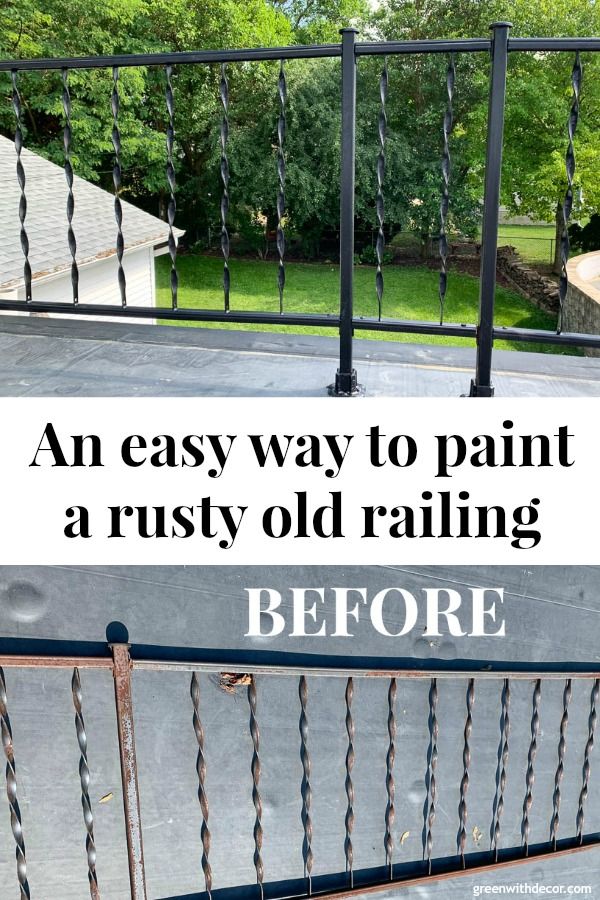


Depending on the size and accessibility of the railings, professionals may charge extra for tasks such as sanding, priming with a rust-inhibitive coating, or repairing damaged sections. Skipping these steps might save money initially, but it often leads to chipping and premature failure, making the project more expensive in the long run.
Assessing Rust and Corrosion Damage
Before quoting a price, contractors inspect the railings to determine the extent of rust or corrosion. Light surface rust can be treated with a wire brush and a rust converter, while heavy pitting may require welding or replacement of certain sections, significantly increasing labor hours.


For example, a wrought iron balcony railing with minor flaking might only need grinding and a protective primer, whereas a steel staircase with deep oxidation could require partial disassembly and media blasting to restore the substrate.
Accessibility and Structural Challenges
Another key element of preparation is the physical accessibility of the railings. Railings that are elevated, located near landscaping, or surrounded by furniture require careful masking and scaffolding, which adds to the time and effort involved.
Interior railings usually present fewer obstacles, leading to lower preparation costs, while exterior balcony or stair railings often demand more setup and safety measures, influencing the overall price per linear foot or project.


Material, Finish, and Labor Variables
Once the surfaces are prepped, the choice of paint and finish plays a major role in both the appearance and durability of the project. High-quality paints formulated for metal often contain specialized binders and pigments that resist fading, moisture, and impact, but they also come at a higher price point.
Labor costs vary based on regional rates, the experience of the painting contractor, and the complexity of the job. A straightforward horizontal railing might be painted quickly, while intricate spindles, curved brackets, or multi-level structures require meticulous masking and more time, driving up the hourly rate.
Paint Type and Coating Systems
For outdoor metal railings, professionals typically recommend alkyd or 100% acrylic paints with rust-inhibitive additives, while epoxy or polyurethane coatings may be used in high-traffic or industrial settings. Each system has different material costs and application requirements.


Premium paint brands might cost two to three times more than basic hardware-store options, but they often provide better coverage, color retention, and resistance to cracking, which can justify the investment for long-term value.
Project Scale and Complexity
The total length or square footage of the railing system is a primary driver of labor costs. Contractors usually provide price quotes per linear foot or by project, making it easier to compare bids for large installations like staircases or balcony borders.
Additional complexity, such as ornamental details, multiple colors, or the need to install drop cloths and protect adjacent surfaces, will increase the final bill. Simple, straight runways are generally the most affordable, while custom work commands higher rates.
Regional Pricing and Additional Considerations
Geographic location significantly affects how much it costs to paint metal railings, as labor rates and local building codes vary across cities and rural areas. Urban professionals often charge more due to higher overhead, while rural contractors might offer lower rates but with less immediate availability.
Permits and inspections are rarely required for a standard paint project, but if the railings are part of a larger renovation or safety upgrade, there could be additional fees. It is wise to clarify these details with the contractor before work begins to avoid unexpected expenses.
Obtaining Accurate Quotes
To get a reliable estimate, request quotes from at least three local contractors, providing them with clear descriptions of the work, including surface preparation, paint type, and any structural repairs needed.
Comparing these bids allows you to evaluate not just the price, but also the professionalism, timeline, and warranty offered, helping you choose a provider who balances quality and value.
DIY Versus Professional Service
Homeowners with experience in painting and surface preparation might consider a DIY approach to save on labor, which can represent a large portion of the overall budget. However, this option requires renting tools, purchasing quality materials, and investing significant time.
Professionals bring efficiency, proper equipment, and warranties that protect against future failures, which is often worthwhile for high-traffic or hard-to-reach railings where mistakes can be costly to correct.
Exploring the variables that define how much it costs to paint metal railings helps you make informed decisions about timing, budget, and quality expectations. By carefully evaluating preparation needs, material options, and contractor experience, you can plan a project that enhances both the beauty and durability of your metalwork. Taking the next step is as simple as contacting a trusted local expert to discuss your specific railing requirements and receive a tailored quote that matches your vision and financial plan.
Related Articles

How Much Does a Mural Cost to Paint: A Complete Pricing Guide
Understanding how much does a mural cost to paint is essential when you want to transform a blank wall into a signature piece of art. The price can range from...

How Much Does Home Depot Charge to Paint Kitchen Cabinets Cost Guide 2024
Homeowners across the United States often ask how much does Home Depot charge to paint kitchen cabinets when they are looking to refresh their kitchen without...

How Much Does a Photo Book Cost 2024 Pricing Guide
Understanding how much does it cost to make a photo book is the essential first step toward transforming your digital memories into a tangible legacy. The...

How Much Does It Cost to Install a Bathtub: 2025 Pricing Guide
Installing a bathtub can be a rewarding home improvement project, adding value and comfort to your space. But how much does it cost to have a bathtub...

How Much Does It Cost to Build a 10x10 Gazebo: Pricing Guide
Planning a 10x10 gazebo introduces exciting possibilities for enhancing your outdoor living space, but it also brings up a critical question about budget...

How Much Does It Cost to Cover a Back Patio: Pricing Guide 2024
Transforming your backyard into an inviting, functional space often begins with the humble back patio. But how much does it cost to cover a back patio? The...