Mastering Balcony Cleaning: How to Clean Balcony Railing
Keeping your balcony railing clean is more than a cosmetic task; it is an essential part of home maintenance that protects your investment and extends the life of the materials. Whether you have a modern metal balcony, a classic wrought iron design, or a sturdy wooden banister, exposure to dust, pollen, rainwater, and urban grime can slowly degrade its appearance and structural integrity. A thorough cleaning not only enhances curb appeal but also removes potentially corrosive contaminants that could weaken the railing over time. By dedicating a little time to this process, you create a safer environment, reduce the risk of slips from accumulated dirt, and ensure your outdoor space remains inviting year-round.
Before you begin, it is important to understand the specific needs of your balcony’s material. The cleaning approach for a metal rail will differ significantly from the method used for stained wood or coated aluminum. Observing the surface finish, checking for any signs of rust or damage, and identifying the type of protective coating will help you choose the right tools and solutions. This preliminary assessment prevents accidental damage and ensures that your efforts result in a balcony railing that looks refreshed and well cared for rather than worn or discolored. With that foundation in place, you can proceed with confidence, knowing your cleaning strategy is tailored to the job.
Preparing for the Cleaning Process
Effective preparation is the cornerstone of a successful cleaning project, as it streamlines the workflow and minimizes the risk of damage to the railing. You want to create a systematic plan that covers safety, tool selection, and surface protection before any water touches the structure. Taking the time to gather the right supplies and secure the area will make the actual cleaning process smoother and more efficient. This stage sets the tone for the entire task, ensuring that you do not have to pause midway to find a missing bucket or protective gear.


Safety should always be the first consideration when learning how to clean balcony railing, especially if the balcony is elevated or the rails are made of metal that can become slippery. Wear non-slip footwear, use a stable step stool or ladder with proper support, and keep children and pets away from the work area. If you are working with chemical cleaners, rubber gloves and eye protection are essential to prevent skin or eye irritation. By prioritizing safety from the start, you protect yourself and maintain focus on the task, which leads to a more thorough and professional result.
Gathering the Right Tools and Supplies
Selecting the appropriate tools is critical for achieving a spotless finish without harming the surface of your balcony railing. You will typically need a soft-bristle brush or a microfiber cloth, a bucket filled with warm water, and a mild detergent or a specialized cleaner designed for your specific material. For tougher grime, a nylon scraper or a soft sponge can be useful, while a garden hose or a spray bottle helps you rinse the surfaces thoroughly. Having towels or a wet/dry vacuum on hand allows you to dry the rails promptly, which is particularly important for metal to prevent water spots and streaks.


In addition to basic cleaning tools, consider preparing a small toolkit for minor repairs that you might discover during the process. A roll of painter’s tape can protect nearby glass or paintwork, while touch-up paint or a rust converter might be necessary if you identify any early signs of corrosion. Cleaning accessories like a toothbrush or an old toothbrush can reach intricate details in wrought iron or curved metalwork. By assembling these items in advance, you ensure that the cleaning phase flows seamlessly into inspection and repair without unnecessary interruptions.
Protecting Surrounding Areas
Balcony cleaning can involve splashes, drips, and runoff, so protecting the surrounding areas prevents secondary mess and potential damage to plants, flooring, or furniture. Lay down drop cloths, old towels, or plastic sheeting on the balcony floor and beneath the railing to catch debris and overspray. If your railing is directly above planters or delicate outdoor items, temporarily moving them to a safe location reduces the risk of chemical exposure or dirt accumulation. Taking these precautions keeps your workspace contained and makes the final cleanup much simpler.
Another aspect of protecting the environment is choosing eco-friendly cleaning solutions whenever possible. Harsh chemicals may clean effectively, but they can leave residues that harm vegetation or degrade certain materials over time. Opt for gentle, biodegradable detergents mixed with water, and test any new product on a small, inconspicuous area first. This careful approach not only preserves the integrity of your balcony railing but also aligns with responsible maintenance practices that benefit your home and the environment.


Step-by-Step Cleaning Techniques
Once preparation is complete, you can move on to the actual cleaning process, which should follow a logical sequence to ensure thorough coverage and efficient results. Starting from the top and working your way down allows gravity to carry drips away from cleaned areas, reducing the chances of streaking or re-soiling. Using consistent motions and applying appropriate pressure for your railing type helps lift dirt without causing scratches or dents. This systematic method transforms a potentially tedious chore into a controlled and satisfying procedure.
For most balcony railings, a simple soap and water solution is sufficient to remove surface dust and light grime. Dip your brush or cloth into the soapy mixture, gently scrub the rails, and rinse thoroughly with clean water. Pay extra attention to corners, joints, and decorative elements where dirt tends to accumulate. If you are dealing with metal railings, rinsing with clean water and drying the surface immediately helps prevent water spots and minimizes exposure to moisture that could promote rust over time.
Tackling Tough Stains and Rust
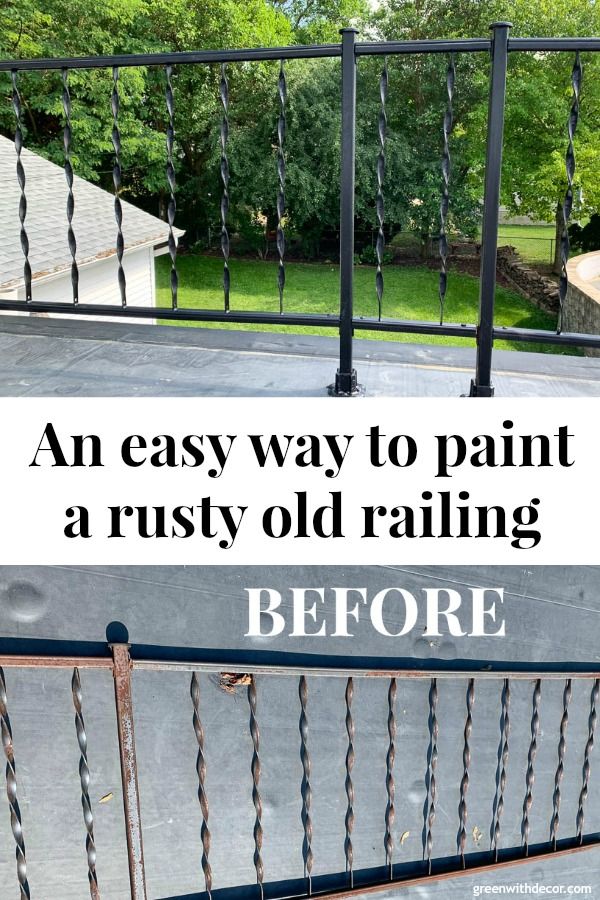
When regular cleaning is not enough, addressing tough stains and early signs of rust becomes necessary to preserve the appearance and strength of your balcony railing. Light rust spots on metal surfaces can often be treated with a specialized rust remover or a paste made from baking soda and water. Apply the treatment gently, allow it to sit for the recommended time, and then scrub with a soft brush before rinsing. This targeted approach removes oxidized particles without causing further damage to the underlying metal.




For stubborn grime or discoloration on wooden or painted railings, a slightly stronger cleaner may be required, but it must be used with caution. Test the cleaner on a hidden section to ensure it does not bleach or strip the finish. If the railing has a sealed surface, a mild abrasive pad used lightly in the direction of the grain can help lift ingrained dirt. Always rinse the area well and allow it to dry completely before considering additional treatments or protective measures.
Drying and Final Inspection
Drying your balcony railing thoroughly is a crucial yet often overlooked step in the cleaning process. Moisture left on metal surfaces can lead to water spots or even accelerate corrosion, while damp wood can absorb humidity and swell or warp over time. Use a clean towel to wipe down the rails or allow them to air dry in a well-ventilated area. Ensuring that every corner and joint is dry contributes to the longevity of the railing and enhances the overall finish of your work.
After drying, conduct a final inspection to verify that every section meets your standards. Look for missed spots, lingering streaks, or areas where rust or damage may require further attention. This is also an excellent time to assess the condition of any protective coatings, such as paint or sealant, and determine whether touch-ups are needed. A detailed inspection ensures that your balcony not only looks clean but is also in optimal condition to withstand the elements.
Establishing a Routine Maintenance Plan
Learning how to clean balcony railing is most effective when paired with a consistent maintenance routine that keeps the surface in top condition between deep cleanings. Regular dusting with a soft cloth or gentle hosing down during dry seasons can prevent the buildup of stubborn dirt and reduce the frequency of intensive cleaning sessions. By integrating small, manageable tasks into your household schedule, you protect the appearance of your balcony and simplify future maintenance efforts.
Seasonal changes also play a role in determining your maintenance frequency. During periods of high pollen, dust storms, or heavy rainfall, your railing may require more frequent attention to stay visually appealing and structurally sound. Adjusting your cleaning schedule according to environmental conditions ensures that your balcony remains a safe and attractive extension of your living space throughout the year. Thoughtful upkeep minimizes wear and helps you enjoy your outdoor area to the fullest.
Following these detailed steps and insights on how to clean balcony railing will empower you to maintain a beautiful, durable, and safe outdoor boundary with minimal stress. The process becomes not just a cleaning activity but a thoughtful routine that honors the craftsmanship of your balcony while safeguarding its value for years to come. Taking this proactive approach now ensures that every glance toward your outdoor space reflects care, cleanliness, and long-term planning for your home.
Related Articles

Mastering Stainless Steel Handrail Cleaning: A Comprehensive Guide
Stainless steel handrails add a sleek, modern touch to homes and businesses, but they quickly show fingerprints, smudges, and water spots if they are not cared...
The Ultimate Guide to Cleaning Outdoor Metal Railing: Expert Tips & Tricks
Outdoor metal railings are not only functional but also add a touch of elegance to your home's exterior. However, exposure to the elements can lead to rust...

Mastering Stair Carpet Edges: A Step-by-Step Cleaning Guide
Keeping your home clean and inviting is a continuous task, and one area that often gets overlooked is the carpet on your stairs. The edges of stairway carpets...

Mastering Outdoor Tile Patio Cleaning: A Step-by-Step Guide
Transforming your outdoor space into a welcoming oasis often begins with a well-maintained tile patio. Over time, however, dirt, moss, and stains can...

Mastering the Room: Pro-Level Deep Cleaning Tips
Transforming your room from cluttered to pristine is no small task, but with the right techniques and a bit of elbow grease, you can deep clean like a pro...

Mastering Outdoor Concrete Patio Cleaning: A Step-by-Step Guide
Transforming your outdoor space into a welcoming oasis often starts with a well-maintained concrete patio. Not only does a clean patio enhance your home's curb...