How to Clean Black Metal Railing: Expert Tips and Tricks
Black metal railings add a sleek, modern touch to any property, but their dark hue quickly reveals dust, fingerprints, and grime. Keeping them looking sharp requires a methodical approach that protects the metal finish. This guide provides a thorough, step by step walkthrough on how to clean black metal railing effectively without causing damage. By following these techniques, you can preserve the deep color and clean lines that make these railings so desirable.
Before diving into the scrubbing, it is important to understand the specific challenges posed by black finishes. Dirt and smudges are far more visible on black surfaces than on lighter metals, creating a stark contrast that diminishes the elegance of the design. Furthermore, using the wrong products can lead to unsightly streaks or even micro scratches that permanently dull the surface. The goal of this cleaning process is to remove contaminants while maintaining a pristine, glossy appearance.
Preparing the Cleaning Area
Effective preparation is the cornerstone of a successful cleaning session. You need to clear the area around the railing to ensure you have enough room to move freely with your tools and cleaning solutions. This prevents accidental splashes on nearby surfaces and allows you to access the railing from multiple angles without obstruction. Removing obstacles also ensures your safety as you work around the perimeter of the stairs or balcony.


Gather all your supplies before you begin to avoid interrupting your workflow once you have started the cleaning process. A typical toolkit should include a mild dish soap, a bucket of warm water, a soft microfiber cloth or sponge, a soft bristle brush, and a rubber squeegee for drying. Having everything within reach allows you to maintain a systematic approach, moving from the top rail down to the bottom supports without missing any sections.
Gentle Surface Inspection
Before applying any liquid, examine the railing closely to identify areas of heavy buildup, sticky residues, or minor surface damage. Look for bird droppings, sap, or rust spots, as these may require specific treatments rather than a standard wash. This initial inspection helps you determine the appropriate level of aggression needed for the cleaning process, ensuring you do not scrub too hard on delicate areas.


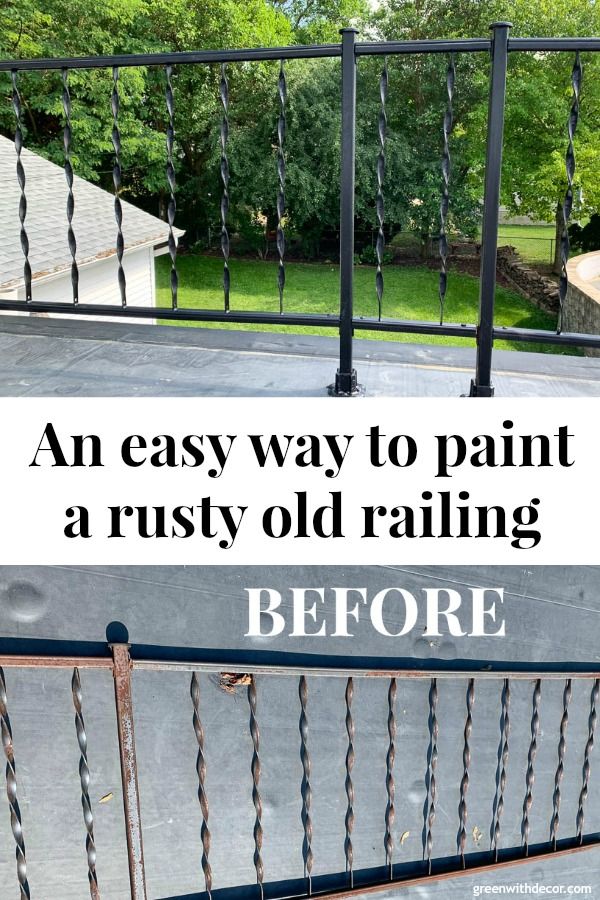
Testing your cleaning solution on a small, inconspicuous section is a critical step that is often overlooked by homeowners. Mix a few drops of dish soap with water in a spray bottle and apply it to the underside of the railing or a hidden corner. Wait a few minutes and wipe it away; if the finish remains intact and the metal does not discolor, you can proceed with confidence knowing your solution is safe for the entire structure.
Protecting Surrounding Surfaces
Black metal railing can sometimes involve adjacent materials like painted walls, wooden decks, or glass panels. To prevent accidental splashes or runoff from damaging these surfaces, it is wise to lay down drop cloths or old towels along the base of the railing. This simple step catches dripping water and keeps soapy residue off the flooring or landscaping.
Covering nearby plants or delicate fixtures with plastic sheeting adds an extra layer of protection against harsh chemicals. Even mild detergents can harm vegetation or leave streaks on glass, so taking a few minutes to shield these areas ensures that your cleaning efforts remain focused solely on the railing itself without creating secondary messes.


The Core Cleaning Process
The actual washing phase requires a balance of effective cleaning power and physical care for the metal. Start by mixing a solution of warm water and mild dish soap in a bucket, stirring until suds form. Dip a soft microfiber cloth into the solution and wring it out thoroughly so that it is damp rather than dripping. Wiping down the railing with this cloth lifts surface dirt without scratching the dark finish.
For textured or intricate sections of the railing, a soft bristle brush is invaluable. Use gentle, circular motions to work soap into the grooves and corners where grime tends to accumulate. Avoid using steel wool or abrasive pads, as these can create fine micro scratches that scatter light and make the railing appear dull over time. The right brush pressure should dislodge dirt without leaving visible marks on the black surface.
Addressing Stubborn Stains
If you encounter bird droppings, tree sap, or rust stains that do not wash away with soap and water, you may need a specialized approach. A paste made from baking soda and water can be applied gently to these spots and left for a few minutes before scrubbing with a soft cloth. This mild abrasive action lifts the stain without attacking the underlying metal aggressively.


For industrial environments or coastal areas where salt buildup is a concern, a vinegar and water solution can be used sparingly. Mix one part white vinegar with three parts water, spray it lightly onto the affected area, and rinse immediately. Because vinegar is acidic, it is vital to rinse the black metal railing thoroughly afterward to prevent any long term impact on the finish.
Rinsing and Drying Techniques
Thorough rinsing is a non negotiable step that removes all traces of soap and loosened debris. Using a low pressure hose, direct water along the length of the railing so that runoff flows downward. This prevents dirty water from streaking back up the surface you have already cleaned. Ensure that every inch of the metal, including joints and screw heads, is rinsed completely.
After rinsing, drying the railing properly prevents water spots and mineral deposits from forming on the black metal. A rubber squeegee is ideal for this task, as it can glide smoothly along the surface and pull water away efficiently. Follow the squeegee with a clean microfiber cloth to absorb any remaining moisture, particularly in corners where water might otherwise sit and cause oxidation.
Ongoing Maintenance and Protection
Once your black metal railing is sparkling clean, establishing a regular maintenance routine will keep it looking new with minimal effort. Weekly or bi weekly dusting with a dry microfiber cloth prevents the buildup of dirt that requires heavy scrubbing later. This simple habit preserves the luster of the finish and reduces the frequency of deep cleanings.
For properties exposed to harsh weather, applying a protective sealant designed for outdoor metal can significantly extend the time between cleanings. These products create a barrier that repels water, fingerprints, and environmental pollutants. When you do clean the railing, the surface remains smoother and requires less intensive effort to keep it looking black and vibrant.
By treating your black metal railing with consistent care and the right cleaning methods, you ensure that it remains a striking architectural feature rather than a hidden liability. A little attention today prevents major restoration work tomorrow, allowing you to enjoy the sleek aesthetic without constant concern. Integrating these practices into your regular home maintenance schedule keeps the railing looking professional and inviting year round.
With the right tools and a systematic approach, maintaining the elegance of your black metal railing becomes a straightforward task rather than a daunting chore. You can take pride in knowing that each wipe, rinse, and dry session contributes to the longevity and visual impact of the metalwork. Continuing to refine your technique ensures that the railing remains a standout element of your property for years to come.
Related Articles

The Ultimate Guide to Cleaning Outdoor Metal Railing: Expert Tips & Tricks
Outdoor metal railings are not only functional but also add a touch of elegance to your home's exterior. However, exposure to the elements can lead to rust...

How to Clean Dirty Shower Tile: Expert Tips & Tricks
Shower tile grout is a magnet for soap scum, hard water deposits, and everyday grime, but keeping it clean is easier than you might think. Understanding the...

How to Clean White Linen Curtains Like New Expert Tips
White linen curtains bring a sense of airy elegance to any room, but their delicate nature means they can show dust, stains, and yellowing all too clearly...

Best Ways to Clean Bathroom Tiles: Expert Tips & Products
Bathroom tile cleaning is more than a weekly chore; it is the foundation of a hygienic and visually welcoming home. Soap scum, hard water stains, and grimy...

Boost Ceiling Joist Support: Expert Tips & Tricks
Supporting joists in a ceiling is a crucial step in ensuring the structural integrity and longevity of your home. Joists play a vital role in distributing the...

Can You Trim a Door: Expert Tips & Tricks
Trimming a door is often the first step toward improving the look and function of a room, and many homeowners ask themselves whether this task is something...