How to Clean Black Wrought Iron Railing: Easy DIY Tips
Black wrought iron railing adds timeless elegance and strength to any staircase, balcony, or porch, but its dark finish can show dust, fingerprints, and grime all too clearly. Keeping these intricate pieces clean not only preserves their dramatic visual impact but also protects the metal from the damaging effects of moisture and rust. This guide explains how to clean black wrought iron railing in a way that honors its detailed craftsmanship without causing any harm to the surface.
Whether your railing is painted matte black or finished with a subtle satin sealer, the cleaning principles remain similar and focus on gentle removal of dirt and safe, non-abrasive techniques. By following a consistent schedule and using the right tools, you can maintain deep, lustrous blacks that enhance the architecture of your home. The sections below break down every step, from initial dusting to final protection, so you can approach the task with confidence and precision.
Preparing for Safe and Effective Cleaning
Before you begin scrubbing, it is essential to clear the area around the railing and protect any adjacent surfaces from moisture and cleaning agents. Black wrought iron railing often features delicate scrollwork or tightly spaced balusters where dirt can accumulate, and a clear workspace makes it easier to access every nook. Gather your tools in advance so you do not have to leave the area mid-process, which could lead to streaks or partially cleaned spots.


Wearing gloves is a smart move not only to keep your hands clean but also to prevent natural skin oils from transferring onto the metal during the cleaning process. For exterior railings, always check the weather forecast and aim for a dry, calm day to avoid rapid evaporation that leaves residue or rain interference later. Proper preparation reduces the risk of streaking and makes each subsequent step smoother and more efficient.
Gathering the Right Tools and Supplies
To clean black wrought iron railing effectively, you will need a soft microfiber cloth or sponge, a soft-bristled brush, a bucket, warm water, and a mild dish soap or a specialized wrought iron cleaner. Avoid harsh chemical cleaners, wire brushes, or steel wool, as these can strip existing finishes and create visible scratches that make the railing more prone to future staining.


Additional useful items include a small vacuum with a brush attachment for crevices, a rubber squeegee for rinse water on vertical sections, and a dry towel for immediate blotting. Having these supplies ready ensures you can move from step to step without interruption, which is especially important when working on railings that require quick drying to prevent water spots.
Assessing the Current Condition of the Railing
Examine the railing closely for signs of rust, loose paint, or areas where the metal appears unusually pitted or worn. If you notice any flaking paint or surface rust, note these spots so you can address them gently during cleaning and plan for targeted touch-ups afterward.
This assessment also helps you decide whether to use plain soapy water or a slightly more targeted cleaner designed for black metal. Knowing the current state of the railing allows you to adjust your technique, pressure, and product choice to protect its integrity while still achieving a thorough clean.


Step by Step Cleaning Process
Start by using a soft brush or vacuum to remove surface dust, cobwebs, and any loose debris from the rails, spindles, and decorative elements. This dry step prevents gritty particles from scratching the metal when you introduce water and soap, and it gives you a clear view of which areas need more focused attention.
Mix a few drops of mild dish soap into a bucket of warm water, then dip your microfiber sponge or soft cloth into the solution and wring it out until it is damp rather than dripping. Working in small sections, gently wipe the railing, following the lines of the ironwork to avoid trapping dirt in grooves. Rinse each section promptly with clean water to prevent soap residue from building up on the dark surface.
Using Appropriate Pressure for Detailed Work
Because black wrought iron railing often features intricate patterns, apply light to moderate pressure and use your fingers or a soft brush to coax dirt out of tight spaces. A gentle, consistent motion along the length of the rail usually suffices, and you can fold your cloth or sponge to access corners without scratching.


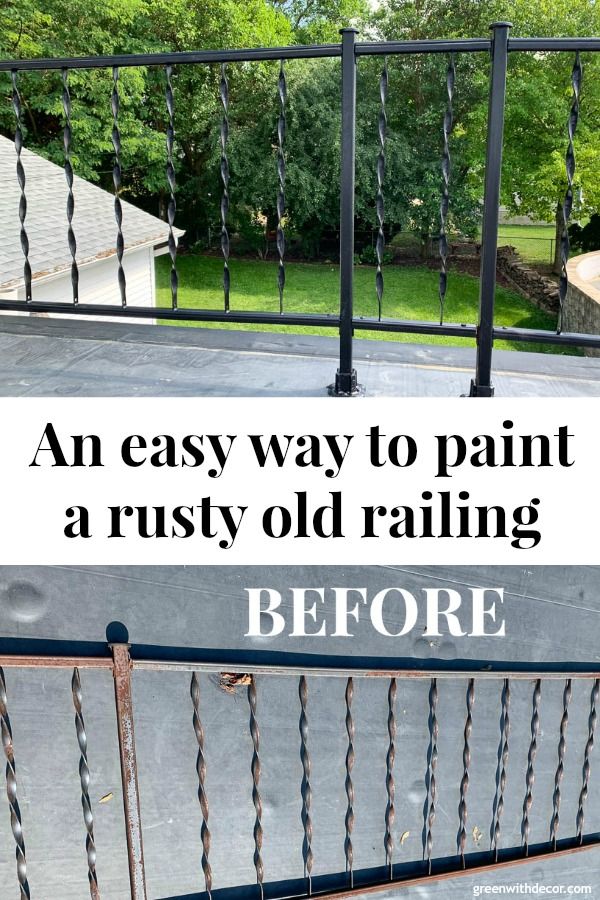


If some areas have stubborn grime, you may allow the soapy solution to sit for a few minutes to loosen the deposits, but you should avoid letting cleaning products dry on the metal. Periodic checks in a small inconspicuous spot help you confirm that the chosen method will not dull or damage the black finish.
Thorough Rinsing and Moisture Control
Rinsing is a critical phase, because leftover soap can leave a dull film on black metal, especially under strong light where imperfections become more visible. Use a low-pressure stream of water from a hose or a bucket of clean water, and wipe away runoff with a towel to reduce water spotting.
Pay particular attention to joints, welds, and decorative scrolls where water can pool. A rubber squeegee or a quick pass with a dry cloth along vertical sections helps remove excess moisture efficiently and supports faster drying, which is vital for protecting bare metal areas.
Drying, Touch Ups, and Long Term Maintenance
After cleaning, dry the railing thoroughly with a clean microfiber towel, pressing gently along each rail and spindle to absorb remaining water. For hard-to-reach sections, a compressed air canister or a hair dryer on a cool setting can be useful, provided you maintain a safe distance to avoid stressing the surface.
Once the railing is completely dry, inspect it again for any missed spots, light rust, or areas where the finish looks uneven. If you find minor surface rust, you can often address it with a soft cloth and a specialist rust remover designed for black wrought iron, but always test the product on a hidden area first to ensure compatibility with the existing finish.
Regular maintenance between deep cleanings makes future sessions quicker and more effective, helping your black wrought iron railing retain its dramatic appearance season after season. A simple wipe down with a dry cloth after heavy rain or snow, occasional dusting with a soft brush, and prompt attention to any new spots can dramatically extend the time between intensive cleanings.
By combining careful preparation, the right gentle tools, and consistent follow up care, you protect both the beauty and the structural integrity of your railing. This thoughtful routine ensures your black wrought iron work remains a striking design feature that complements your home for years to come.
Related Articles

How to Get Black Stains Out of Tub: Easy Cleaning Tips
Few things are more frustrating than stepping into a relaxing bath only to see stubborn black stains clinging to the sides of your tub, making an otherwise...

How to Clean Brass Fireplace Trim Like a Pro: Easy DIY Tips
Brass fireplace trim adds a touch of elegance and warmth to your home, but it can also attract dirt, soot, and tarnish over time. Regular cleaning is essential...
How to Clean a Black Stained Tub: Easy DIY Solutions for Sparkling Shine
Cleaning a black stained tub can feel overwhelming, but the right approach restores the surface to a gleaming finish. Bathtubs accumulate mineral deposits...

How to Stop Leaves Blocking Gutters: Easy Clean Tips
Autumn's vibrant foliage can be a breathtaking sight, but it also brings a common household chore: cleaning gutters. Leaves, twigs, and other debris can...

How to Iron Without an Ironing Board: Easy Tips
Learning how to iron without an ironing board is a surprisingly useful skill for anyone who values neat, professional-looking clothes. Whether you are in a...
The Ultimate Guide to Cleaning Outdoor Metal Railing: Expert Tips & Tricks
Outdoor metal railings are not only functional but also add a touch of elegance to your home's exterior. However, exposure to the elements can lead to rust...