How to Clean Metal Deck Railing: Expert Tips for Sparkling Results
Keeping your metal deck railing clean is essential for preserving its appearance and structural integrity over time. Exposure to rain, humidity, and daily environmental pollutants can cause unsightly buildup that dulls the shine. This guide provides practical steps to clean metal deck railing effectively and safely. By following these methods, you can extend the life of your railing and maintain a polished look throughout the year.
Many homeowners overlook regular cleaning, but a consistent routine prevents stubborn stains and corrosion. Understanding the right techniques and products helps you avoid damage to the protective finish. The process is straightforward when you approach it methodically and with the proper tools. This article walks you through each phase so you can tackle the task with confidence.
Initial Preparation and Safety Measures
Before you begin cleaning, clear the area around the railing to ensure unobstructed access. Move any furniture, plants, or decorative items that could get in the way or become wet. Wearing gloves protects your hands from harsh detergents and any rust or sharp edges along the metal surface.


Safety is especially important when working near elevated decks or stairs. Use a stable step stool or ladder with proper support, and never stand on chairs or unstable surfaces. If your railing has electrical components like lights, turn off the power at the circuit breaker before starting the cleaning process. Ensuring a safe workspace allows you to focus on thorough cleaning without interruptions.
Gather the Right Cleaning Tools
Assemble your supplies before getting started, including a mild dish soap, a soft-bristle brush, and a microfiber cloth or sponge. For tougher grime, a nylon scrub brush can help without scratching the metal surface. Keep a bucket, garden hose, or pressure washer on a low setting ready to rinse away detergent and loosened debris.
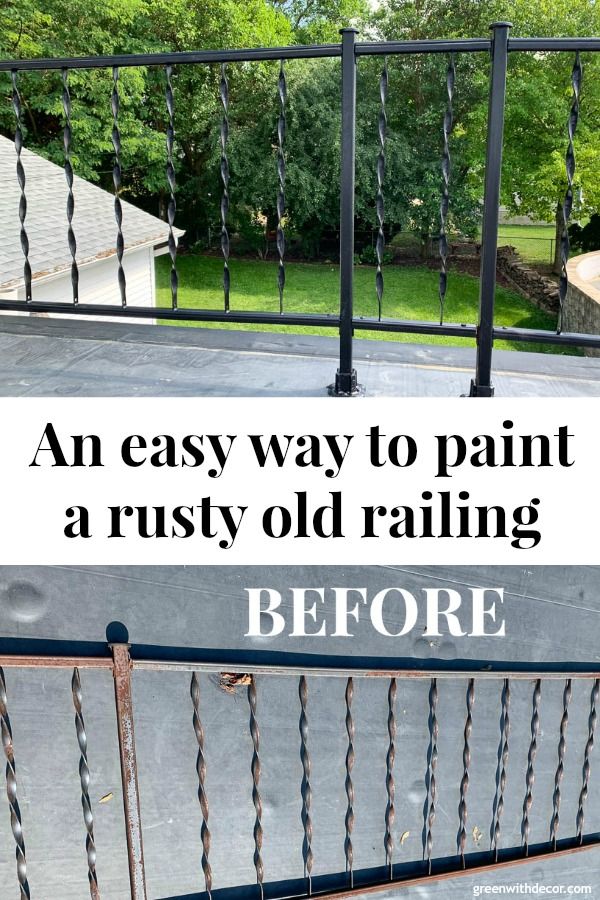


Optional tools like a rust remover or specialized metal cleaner may be useful if your railing shows signs of oxidation. Avoid abrasive materials such as steel wool or harsh scouring pads that can leave visible marks. Having the correct tools on hand makes the cleaning process more efficient and protects the integrity of the finish.
Inspect for Damage and Rust
Take a moment to examine the railing for loose screws, cracks, or areas where paint or coating is peeling. Small issues are easier to address before they develop into larger repairs that require professional intervention. If you notice flaking paint or significant rust, note these spots for targeted treatment during or after cleaning.
Understanding the current condition of your railing also helps you choose suitable cleaning products. Light surface cleaning might be sufficient for minimal exposure, while more neglected railings may need a combination of cleaning and touch-up care. This initial assessment sets the foundation for a more effective maintenance routine.


Effective Cleaning Techniques
Start by removing loose dirt and cobwebs with a dry brush or cloth. Mix a few drops of dish soap into a bucket of warm water to create a gentle cleaning solution. Dip your soft-bristle brush into the solution and work in small sections, moving along the grain or pattern of the metal to ensure even coverage.
For intricate designs or detailed posts, use a toothbrush or a narrow brush to reach tight corners. Rinse each section thoroughly with clean water to prevent soap residue from drying on the surface. This method helps maintain the visual appeal of the railing and keeps the metal looking fresh and well cared for.
Pressure Washing with Caution
A pressure washer can be an efficient tool for cleaning large metal railings, but it requires careful handling to avoid damage. Use a low-pressure setting and keep the nozzle at least a foot away from the surface to prevent gouging or bending the metal. Hold the wand at a slight angle so water flows off the railing rather than forcing dirt deeper into crevices.


Be mindful of surrounding materials like wood, glass, or landscaping that could be affected by the strong water stream. If you are unsure about pressure levels, start with gentle rinsing and gradually increase intensity only if needed. Patience during this stage protects both the railing and the overall aesthetics of your outdoor space.
Addressing Stubborn Stains and Corrosion
Occasionally, you may encounter tough stains, water spots, or light rust that do not wash away with soap and water. In these cases, a specialized metal cleaner formulated for outdoor use can provide extra cleaning power. Always test the product on a small, inconspicuous area first to verify that it does not alter the finish or cause discoloration.
When dealing with rust, apply a rust remover according to the manufacturer’s instructions and allow it to sit for the recommended time. Use a soft brush to gently agitate the area, then rinse thoroughly and dry the surface. Tackling these details early prevents more extensive repairs later and keeps your railing looking its best.
Rinsing, Drying, and Long-Term Protection
Thorough rinsing is a critical step that removes all traces of soap, cleaner, and loosened particles. Use your garden hose to flush the railing from top to bottom, ensuring that no chemical residue remains. Leaving behind detergent can attract more dirt and, over time, may cause streaking or a dull appearance.
After rinsing, pat the railing dry with a clean microfiber towel or allow it to air dry in sunlight. Drying helps prevent water spots and minimizes the chances of temporary staining. Once the surface is fully dry, you can assess whether any touch-ups or additional protection measures are needed.
Applying Sealants and Protective Coats
For long-lasting protection, consider applying a high-quality sealant or clear coat designed for metal surfaces. These products create a barrier against moisture, UV rays, and pollutants that contribute to corrosion. Use a clean brush or cloth to apply thin, even coats, following the directions provided by the manufacturer.
Allow sufficient drying time between coats and avoid using the railing until the finish has fully cured. This extra step significantly extends the time between deep cleanings and preserves the integrity of the metal. A well-maintained protective layer keeps your railing looking new and reduces future maintenance needs.
Regular Maintenance Schedule
Establishing a regular maintenance schedule helps you catch minor issues before they escalate into major problems. Inspect your metal deck railing every few months for signs of dirt buildup, loose fasteners, or chipped paint. Light cleaning with soap and water every few weeks is often enough to keep the surface in top condition between more thorough sessions.
In areas with harsh winters or heavy salt use, pay close attention to the base of the posts and any areas where water might pool. Consistent care tailored to your local climate ensures your railing remains strong, safe, and visually appealing. Routine attention ultimately saves time, effort, and money on future repairs.
Following these steps gives you a reliable framework for keeping your metal deck railing in excellent condition season after season. You will enjoy a cleaner, safer outdoor environment while preserving the value and appearance of your home. Developing a simple maintenance habit ensures your railing continues to look great and perform well for years to come.
Related Articles
How to Clean Railing: Expert Tips for Sparkling Results
Railings are an essential part of any home or building, providing safety and support. However, they can also be a magnet for dirt, grease, and grime...
The Ultimate Guide to Cleaning Outdoor Metal Railing: Expert Tips & Tricks
Outdoor metal railings are not only functional but also add a touch of elegance to your home's exterior. However, exposure to the elements can lead to rust...

How to Clean Concrete Ornaments: Simple Steps for Sparkling Results
Concrete ornaments, whether they're decorative planters, statues, or garden edging, can add a touch of elegance and character to your outdoor space. However...

How to Clean White Linen Curtains Like New Expert Tips
White linen curtains bring a sense of airy elegance to any room, but their delicate nature means they can show dust, stains, and yellowing all too clearly...

Best Ways to Clean Bathroom Tiles: Expert Tips & Products
Bathroom tile cleaning is more than a weekly chore; it is the foundation of a hygienic and visually welcoming home. Soap scum, hard water stains, and grimy...

Metal Deck Railing Types: A Comprehensive Guide
Metal deck railing systems are integral components of modern architecture, offering a blend of functionality, aesthetics, and durability. They serve as safety...