How to Clean Metal Railings with Vinegar: The Ultimate Guide
Keeping metal railings clean protects their appearance and extends their lifespan, especially for exterior surfaces exposed to rain, dust, and pollution. Many homeowners and property managers search for a simple, non-toxic method that removes rust, grime, and stains without harsh chemicals. Vinegar offers a practical solution because it is affordable, readily available, and effective at cutting through surface oxidation. This guide explains how to clean metal railings with vinegar step by step while protecting the underlying material.
Before starting, it helps to understand that vinegar is mildly acidic, which allows it to dissolve light rust and mineral deposits on contact. However, strong or prolonged exposure can still affect certain metals and finishes, so preparation and proper technique are essential. By combining vinegar with basic tools like a spray bottle, soft cloths, and gentle scrubbing aids, you can restore a dull railing to a cleaner, more welcoming look. The following sections detail preparation, safe application methods, and post-cleaning care for lasting results.
Preparing the Work Area and Gathering Supplies
Successful cleaning begins with a well-prepared workspace and the right materials. You want to minimize splatter, protect nearby plants or delicate surfaces, and keep everything you need within easy reach. A clear plan reduces the risk of damage and makes the process more efficient, whether you are cleaning a single stair railing or an entire balcony system.


Gather white distilled vinegar, warm water, a sturdy spray bottle, soft-bristle brush or sponge, microfiber cloths, rubber gloves, and old towels or a tarp for containment. For tougher jobs, you may also prepare a paste of baking soda and vinegar, but start with the basic solution to assess how the metal responds. Protective eyewear is optional for small jobs but recommended if you expect heavy scrubbing or splashing during the cleaning process.
Protecting Surrounding Surfaces
Metal railings are often located near plants, outdoor furniture, or interior flooring that could be sensitive to acidic residues. Cover nearby vegetation and delicate surfaces with a tarp or old sheets, and move any furniture away from the work area. If the railing is indoors, protect walls and floors with towels or a drop cloth to catch drips and prevent accidental staining from stubborn oxide deposits.

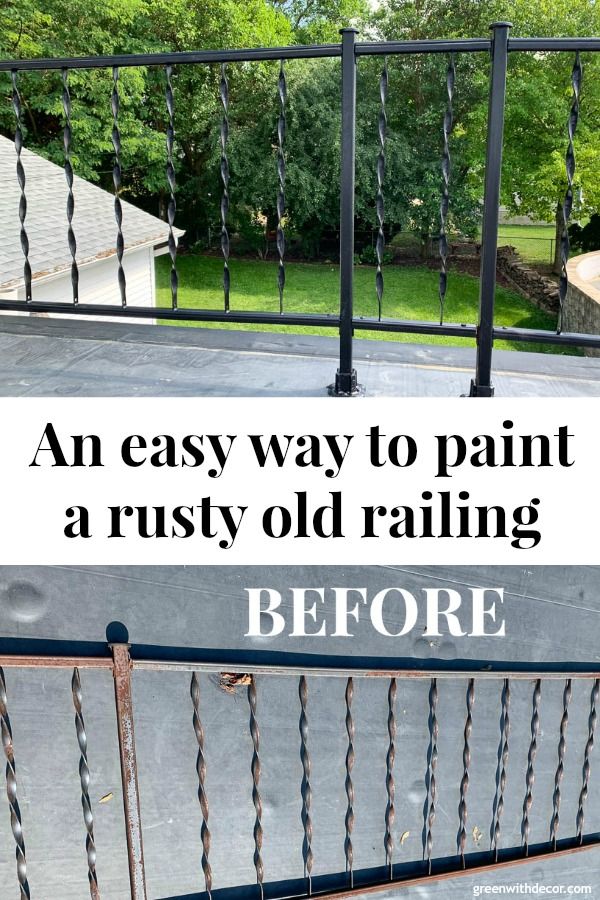

Check the railing material before proceeding, because vinegar works very well on stainless steel, aluminum, and coated iron but may require extra caution on unfinished or highly oxidized surfaces. When you protect the surrounding area thoroughly, you can focus on the cleaning task without worrying about collateral damage or difficult cleanup after the project is complete.
Testing a Small, Hidden Section
Always test your vinegar solution on a discreet section of the railing to confirm that the metal and any protective finish react well. Apply a small amount of the solution, gently rub with a soft cloth, then rinse and dry the area. Observe whether there is any discoloration, pitting, or etching, which would indicate that a more diluted solution or alternative method is necessary.
Testing first allows you to adjust the concentration, contact time, and level of scrubbing before treating the entire railing. Taking this simple step reduces the chance of visible damage and gives you confidence that your approach is safe for the specific type of metal and coating in place.


Applying Vinegar to Remove Dirt and Light Rust
Once the area is prepared and you have confirmed that the metal tolerates vinegar well, you can move on to the actual cleaning process. The goal is to loosen grime and light rust without aggressive scraping that could scratch the surface. A systematic approach ensures even coverage and consistent results across every section of the railing.
Start by shaking your spray bottle to mix the solution, then apply a generous, even coat over a manageable section of the railing. Allow the vinegar to sit for five to ten minutes so the acid can break down surface oxidation, then gently scrub with a soft-bristle brush or non-abrasive sponge. Work along the grain or in straight lines to maintain a uniform appearance and avoid creating visible swirl marks.
Using Steady, Consistent Motion
Consistent scrubbing pressure and motion help remove dirt without damaging the metal underneath. Use moderate, steady strokes along the length of the railing, focusing on areas with visible residue but avoiding prolonged scrubbing in one spot. If you encounter stubborn spots, reapply the vinegar solution and let it dwell briefly before continuing to scrub gently.


Pay attention to corners, joints, and decorative elements where dirt tends to accumulate. A small brush or cotton swab dipped in the solution can access tight areas without risking scratches. Rinse each cleaned section thoroughly with clean water as you progress so that no acidic residue remains to dull the finish over time.
Rinsing and Drying Techniques
Thorough rinsing is a critical step because any leftover vinegar or dissolved metal particles can lead to streaking or new spots if they dry in place. Use a steady stream of clean water from a hose or bucket, ensuring that all surfaces are flushed completely. After rinsing, wipe the railing with a clean microfiber cloth or allow it to air dry in a well-ventilated area to prevent water marks.
Inspect the railing under good lighting to confirm that the desired level of cleanliness has been achieved. If light discoloration or faint residue remains, repeat the spraying, gentle scrubbing, and rinsing cycle on the affected areas. Taking the time to rinse and dry carefully helps the railing look bright and keeps the metal in better condition between deep cleanings.
Handling Heavier Rust and Long-Term Maintenance
For railings with deeper rust or years of built-up exposure, a single vinegar treatment may not restore the surface to its original condition. At this stage, you can either combine vinegar with more robust cleaning agents or reserve it for lighter maintenance tasks that you can perform regularly. Understanding the limits of vinegar helps you choose the right approach for each level of oxidation.
Heavy rust often requires mechanical removal through careful sanding or professional refinishing before a protective coating is applied. Vinegar can still play a role by cleaning the surrounding areas and removing surface dust before these more intensive steps. Used thoughtfully, it supports long-term maintenance without replacing necessary structural repairs when metal degradation is advanced.
Combining Vinegar with Baking Soda for Tough Spots
When light rust persists, create a paste from baking soda and a small amount of vinegar, then apply it directly to the affected spots. The paste provides gentle abrasion while the continued release of carbon dioxide helps lift surface deposits. Apply the paste sparingly, scrub gently, and rinse thoroughly to avoid leaving alkaline residues that could dull the metal.
Because this combination is slightly more abrasive than plain vinegar, limit its use to resilient areas and avoid delicate finishes. Test the paste in an inconspicuous location, and monitor the metal for any signs of uneven texture. Used in moderation, this method can improve the appearance of problem areas while keeping the overall cleaning process relatively gentle.
Scheduling Regular Upkeep with Vinegar
Instead of waiting for heavy rust to develop, incorporate vinegar cleaning into a routine maintenance schedule for outdoor or high-traffic railings. Light monthly or quarterly applications can prevent the buildup of grime and slow the progression of superficial oxidation. This approach reduces the need for intensive restoration work and keeps the railing looking well cared for.
Combine vinegar cleaning with other protective practices, such as drying the railing after heavy rain and checking for chipped paint or worn coatings. Addressing small issues promptly helps maintain both aesthetics and structural integrity. Consistent, moderate care using safe solutions like vinegar supports long-lasting performance and a cleaner appearance over time.
By following these steps and respecting the limitations of household acids, you can clean metal railings effectively while minimizing the risk of damage. Thoughtful preparation, gentle scrubbing, and regular attention allow vinegar to work as a practical part of your maintenance routine. As you refine your technique, you will find a balance that keeps your railings looking fresh and structurally sound for many seasons ahead.
Related Articles
How to Clean Black Metal Railings with Vinegar
Over time, outdoor black metal railings can develop a dull, grimy appearance that detracts from your home’s curb appeal. This guide will show you how to clean...

Vinegar Metal Cleaning: A Simple & Effective Guide
Vinegar is one of the most affordable and effective tools you can use to clean metal surfaces without relying on harsh chemicals. This common household...

How to Clean Toilet Cistern with Vinegar: The Ultimate Guide
Keeping your toilet cistern clean is not only a matter of hygiene but also ensures its longevity and optimal functioning. Vinegar, a household staple, is an...
The Ultimate Guide to Cleaning Outdoor Metal Railing: Expert Tips & Tricks
Outdoor metal railings are not only functional but also add a touch of elegance to your home's exterior. However, exposure to the elements can lead to rust...
How to Clean Metal Railings: Step-by-Step Guide
Metal railings are a staple in both residential and commercial properties, providing safety, support, and aesthetic appeal. However, over time, they can...

How to Clean Concrete Garden Ornaments with Vinegar: Natural DIY Guide
Concrete garden ornaments can add a touch of elegance and charm to your outdoor space, but they can also become a haven for dirt, mold, and mildew over time...