How to Clean Painted Metal Railings: Easy DIY Tips
Learning how to clean painted metal railings is essential for preserving both the beauty and the structural integrity of your outdoor spaces. Over time, exposure to sunlight, rain, pollution, and daily foot traffic can cause the painted surface to look dull, chalky, or stained. By following a careful and systematic process, you can remove dirt and grime without damaging the underlying finish, ensuring that your railings continue to enhance your property for years to come. This guide provides a thorough, step by step walkthrough tailored for homeowners who want professional level results.
Before you begin, it is important to recognize that not all metal railings are created equal, and the specific paint system—whether it is an enamel, powder coat, or synthetic exterior paint—will dictate the level of care required. Harsh chemical cleaners or abrasive tools can strip protective layers, leading to rust and the need for costly repainting. The goal of this article is to teach you safe yet effective techniques, allowing you to refresh the look of your railings with minimal effort and maximum impact. Think of this maintenance routine as a way to extend the life of your investment while keeping your home looking its best.
Assessing the Condition and Gathering Supplies
The first step in how to clean painted metal railings is to perform a detailed inspection of the entire structure. Look for areas where the paint is peeling, blistering, or heavily oxidized, as these spots may require localized treatment or even spot repainting before a full cleaning. You should also check for any signs of rust, particularly where the metal has been scratched or the protective coating has failed. Identifying these issues early will prevent them from spreading and ensure that your cleaning efforts do not worsen existing problems.
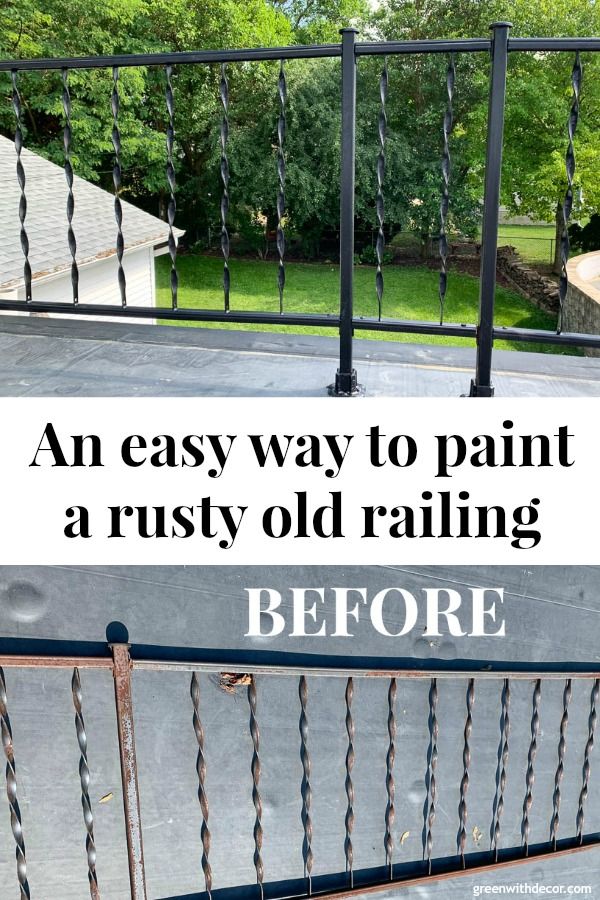


Once you have evaluated the railing, gather all the necessary tools and materials to complete the job efficiently. You will typically need a mild detergent, a soft bristle brush, a sponge, a low pressure hose or buckets of clean water, and nonabrasive scouring pads for stubborn spots. For more intensive cleaning, a specialized metal cleaner formulated for painted surfaces can be useful, but always test it on a small, inconspicuous area first. Wearing gloves and safety glasses is also recommended to protect your skin and eyes from any chemicals or loosened debris.
Checking for Paint Compatibility
Not all cleaning solutions are suitable for every type of painted metal, and using the wrong product can cause fading or discoloration. Water based cleaners are generally safe for most modern paints, while solvent based options should only be used when the manufacturer explicitly permits them. If you are unsure about the paint type, opt for a gentle dish soap mixed with warm water, which provides a mild yet effective cleaning action without risking damage. Always read the product label and follow the manufacturer's instructions to maintain the integrity of the finish.


Another key factor is the hardness of the water in your area, as minerals in hard water can leave spots as the surface dries. Where possible, use clean rainwater or distilled water for the final rinse to avoid streaking. By matching your cleaning approach to the specific needs of your railings, you can remove dirt, dust, and environmental pollutants while keeping the painted surface vibrant and intact.
Protecting Surrounding Areas
Before you start scrubbing, it is wise to protect nearby plants, delicate surfaces, and any adjacent structures. Lay down drop cloths or tarps to catch runoff water and cleaning residues, especially if you are working near garden beds or flowering shrubs. If your railings are close to windows or outdoor furniture, consider rinsing them section by section to minimize overspray. Taking these precautions helps you clean with confidence, knowing that you are not inadvertently causing damage to other parts of your outdoor area.
During this preparation phase, you should also ensure that the work area is well ventilated, particularly if you are using stronger cleaning agents. Good airflow reduces the buildup of fumes and helps the cleaning solutions dry more evenly, which is beneficial for both the railings and your own comfort. Proper preparation sets the stage for a smooth, efficient cleaning process and reduces the need for repeat work later on.


Cleaning and Rinsing the Surface
With your supplies ready and the area protected, you can now focus on the core of how to clean painted metal railings. Begin by removing loose dirt and debris with a dry brush or a soft broom, then apply a diluted detergent solution to the surface using a sponge or a soft bristle brush. Work from the top down, gently agitating the dirt without applying excessive pressure that could scratch the paint. This top down method ensures that falling debris does not recontaminate areas you have already cleaned.
For railings with intricate designs or multiple posts, it may be helpful to clean one section at a time and rinse thoroughly before moving on. Using a low pressure hose, you can rinse away the soap and loosened grime, but be careful not to direct the stream at vulnerable joints or fasteners for too long. If you notice particularly tough stains, a nonabrasive scouring pad used gently in a circular motion can often lift them without harming the underlying painted surface.
Using Specialized Cleaners Safely
In cases where ordinary soap and water are not enough, you might choose a specialized metal cleaner designed for painted surfaces. These products can help break down oxidation, bird droppings, or industrial grime that regular washing cannot remove. When using such cleaners, apply them sparingly, allow the recommended dwell time, and rinse thoroughly so that no residues remain to cause future staining.


Always follow the safety instructions on the product label, including the use of gloves and eye protection. After treating the railings, rinse them with clean water and inspect the finish to ensure that there is no unwanted dulling or discoloration. If the surface looks healthy and the paint remains tightly adhered, you have successfully completed the most critical phase of cleaning.
Drying and Inspecting the Results
Once the railings are rinsed, allow them to air dry naturally or gently pat down any visible water spots with a soft, clean cloth. Pay attention to corners, crevices, and areas around hardware, where moisture can linger and potentially lead to corrosion if left unattended. A careful inspection at this stage lets you confirm that the cleaning process has been effective and that no paint defects have been aggravated by the washing.
While the railings dry, you can check for any missed spots and plan a second round of cleaning if necessary. It is better to address small issues immediately than to let them persist and become more difficult to manage later. This thorough approach ensures that your painted metal railings not only look clean but also retain their protective coating and overall durability.
Maintenance Tips and Long Term Care
Understanding how to clean painted metal railings is only part of the equation; establishing a regular maintenance routine is what keeps them looking new. Periodic cleaning, especially after harsh weather events or pollution spikes, prevents the buildup of materials that can degrade the paint over time. A gentle wash every few months, or more often in high traffic or coastal areas, can significantly slow down the aging process.
In addition to cleaning, inspect your railings regularly for scratches, chips, or exposed metal, and address these spots promptly to prevent rust formation. Touching up small problem areas with matching paint can protect the underlying metal and preserve the overall appearance of the railing. By combining careful cleaning with proactive repairs, you extend the lifespan of your painted metal railings and maintain their visual appeal.
Choosing the Right Tools for Routine Care
Over time, you will find that having a few reliable tools makes each cleaning session faster and more effective. Soft bristle brushes, microfiber cloths, and nonabrasive sponges are gentle on painted surfaces yet powerful enough to lift everyday dirt. A quality hose with an adjustable nozzle allows you to control water pressure, ensuring that you can rinse thoroughly without risking damage to fragile paint jobs.
For properties in areas with high humidity or frequent storms, consider keeping a small supply of metal safe cleaner and a rust inhibitor on hand. These products help you address minor issues before they escalate, reducing the need for more intensive restoration work. Investing in the right tools now saves you time and effort in the long run.
Scheduling Professional Inspections When Needed
While regular homeowner maintenance is highly effective, there are situations where consulting a professional makes sense, especially for large or complex railing systems. Experts can assess the condition of the paint, the underlying metal, and the structural integrity of the supports, providing recommendations tailored to your specific installation. They can also perform deep cleaning and refinishing services that restore the railing to like new condition.
Professional inspections are particularly valuable if you notice widespread rust, persistent peeling, or significant fading that does not respond to standard cleaning methods. By combining routine care with occasional professional support, you ensure that your painted metal railings remain safe, attractive, and resilient against the elements.
By following these detailed steps and incorporating consistent care habits, you can keep your painted metal railings looking clean and well protected season after season. Regular attention not only preserves the appearance of your home but also supports the long term durability of the metal components, saving you time and money on future repairs. With a thoughtful approach to cleaning and maintenance, your railings will continue to provide both safety and style for many years to come.
Related Articles

How to Clean Brass Fireplace Trim Like a Pro: Easy DIY Tips
Brass fireplace trim adds a touch of elegance and warmth to your home, but it can also attract dirt, soot, and tarnish over time. Regular cleaning is essential...

How to Stop Leaves Blocking Gutters: Easy Clean Tips
Autumn's vibrant foliage can be a breathtaking sight, but it also brings a common household chore: cleaning gutters. Leaves, twigs, and other debris can...
The Ultimate Guide to Cleaning Outdoor Metal Railing: Expert Tips & Tricks
Outdoor metal railings are not only functional but also add a touch of elegance to your home's exterior. However, exposure to the elements can lead to rust...
How to Clean Metal Railings: Step-by-Step Guide
Metal railings are a staple in both residential and commercial properties, providing safety, support, and aesthetic appeal. However, over time, they can...

How to Clean Vintage Lamp Shade: Easy DIY Tips
Over time, dust, smoke, and age can settle on your vintage lamp shade, dulling the intricate patterns that once made it special. Learning how to clean vintage...

Easy Bathroom Clean: Sparkling Tips in Minutes
Keeping a bathroom clean should feel simple, not stressful, and easy bathroom clean methods make that possible for every household. Instead of chasing grime...