How to Color Blonde Hair with Colored Pencils: Easy Step-by-Step Guide
Using colored pencils to add vibrant streaks to blonde hair is a creative, semi-permanent way to experiment with bold shades without the commitment of synthetic dyes. This technique appeals to artists, fashion lovers, and anyone who wants to refresh their look with vivid tones like neon pink, deep purple, or electric blue. Unlike chemical treatments, this method relies on wax-based pigments that sit on the hair shaft, making it ideal for trying out color before booking a salon appointment. Because it is gentle on delicate blonde strands, this approach is especially suitable for fine or damaged hair that requires careful handling.
The appeal of coloring blonde hair with colored pencils lies in the precision and control they offer, allowing you to draw detailed patterns, streaks, or full highlights directly onto sections of dry or damp hair. This method works best on light blonde or bleached hair because the pigments deposit more vividly on lighter surfaces, creating a translucent, glossy finish. You can choose between wax-based artist pencils, which are soft and highly pigmented, or water-soluble versions that activate with a bit of water for a pastel wash effect. Because the process is non-toxic and relatively mess-free, it is a practical option for at-home styling sessions that require minimal setup.
Preparing Your Hair and Tools
Before you begin, it is essential to prepare both your hair and your tools to achieve the most vibrant and even color payoff. Start with freshly washed, completely dry blonde hair, as natural oils or residual products can prevent the pigment from adhering properly. Clean, towel-dried strands allow the pencil wax to grip more effectively, resulting in bolder color that lasts through several shampoos. Selecting the right pencils is equally important, so look for artist-grade oil pastels or specialized color pencils that are wax-based and rich in pigment for maximum intensity.


Gathering the right accessories ensures a smooth and enjoyable experience from start to finish. You will need a fine-tooth comb, sectioning clips, a soft-bristle brush, baby powder or dry shampoo, and a light-hued towel to protect your clothing. For finer control, consider using a pencil sharpener or a craft knife to create a sharp point, which helps you draw precise lines along your part or through your layers. Having a plate or palette to rub the pencil tip and pick up pigment can also make blending easier and more consistent across different areas of your head.
Sectioning and Strand Testing
Proper sectioning is the foundation of a neat and professional-looking result, especially when working on intricate patterns or subtle balayage effects. Divide your hair into four to six sections using your clips, starting from the nape and moving toward the crown, to keep the process organized and manageable. Within each section, isolate thin strands with your comb, deciding in advance whether you want chunky streaks, hair-thin lines, or a soft ombré gradient. This structured approach prevents tangles and ensures that every stroke lands exactly where you intend it to.


Performing a strand test is a crucial step that protects your hairstyle from unexpected results. Choose a small, inconspicuous strand near the nape of your neck or underneath your layers, and apply a minimal amount of pigment to observe how the color develops. Note how the wax adheres to the cuticle, how long the color lasts after a gentle wash, and whether it leaves a waxy residue that needs extra cleansing. This quick trial run gives you valuable insight into the intensity of your chosen pencils and helps you adjust pressure, application time, or product choice accordingly.
Blending and Setting Techniques
Once you have applied the pigment, gentle brushing is key to blending the edges and creating a seamless transition between colored and untouched hair. Use a soft-bristle brush or a clean toothbrush to lightly buff the outer edges of each stroke, which softens harsh lines and mimics natural hair movement. For a more diffused, watercolor effect, you can carefully dampen a clean brush or sponge and run it over the surface of the colored area, being careful not to disturb the surrounding sections. These blending methods allow you to adjust the final look and avoid a blocky or artificial appearance.
Setting the color properly ensures that your design stays vivid and resists early fading. After you are satisfied with the pattern, dust a small amount of baby powder or translucent dry shampoo onto the treated strands, let it sit for a few minutes, then brush it out thoroughly. The powder helps absorb excess wax, reduces greasiness, and locks the pigment closer to the hair shaft without altering the tone significantly. For long-lasting wear, consider finishing with a light mist of hairspray, holding it at a safe distance so that the alcohol-based spray seals the color without making the hair feel stiff.


Application Methods and Creative Design Ideas
The way you apply colored pencil pigment can dramatically change the final outcome, giving you the freedom to choose between bold graphic lines or soft, dreamy highlights. For precise streaks, hold the pencil at a slight angle and draw directly onto small sections of hair, building up color gradually until you reach your desired saturation. Alternatively, rubbing the pencil on a piece of paper or your palm to create a creamier pigment allows you to apply the color with your fingers or a sponge, resulting in a more blended, ombre-style effect across the lengths of your blonde hair.
Creative design ideas turn a simple coloring session into an expressive art project that reflects your personal style. You might add pastel polka dots along your bangs, sketch subtle geometric lines along your part, or create a gradient that fades from vibrant pink at the front to soft lavender at the back. Because blonde hair acts like a blank canvas, these colorful accents can range from playful and subtle to dramatic and avant-garde, giving you countless opportunities to refresh your look without a long-term commitment.
Layering Colors and Gradient Effects
Layering complementary colors can produce a rich, multidimensional appearance that makes your hairstyle feel carefully crafted and intentional. Start with a base color like soft lavender, then gently overlay a cooler tone such as silver or pale blue to create depth and visual intrigue. When applying second layers, focus on the mid-lengths and ends, leaving the roots slightly less saturated to maintain a natural fade that avoids a harsh demarcation line. This careful build-up technique allows each shade to shine through while contributing to a harmonious overall palette.
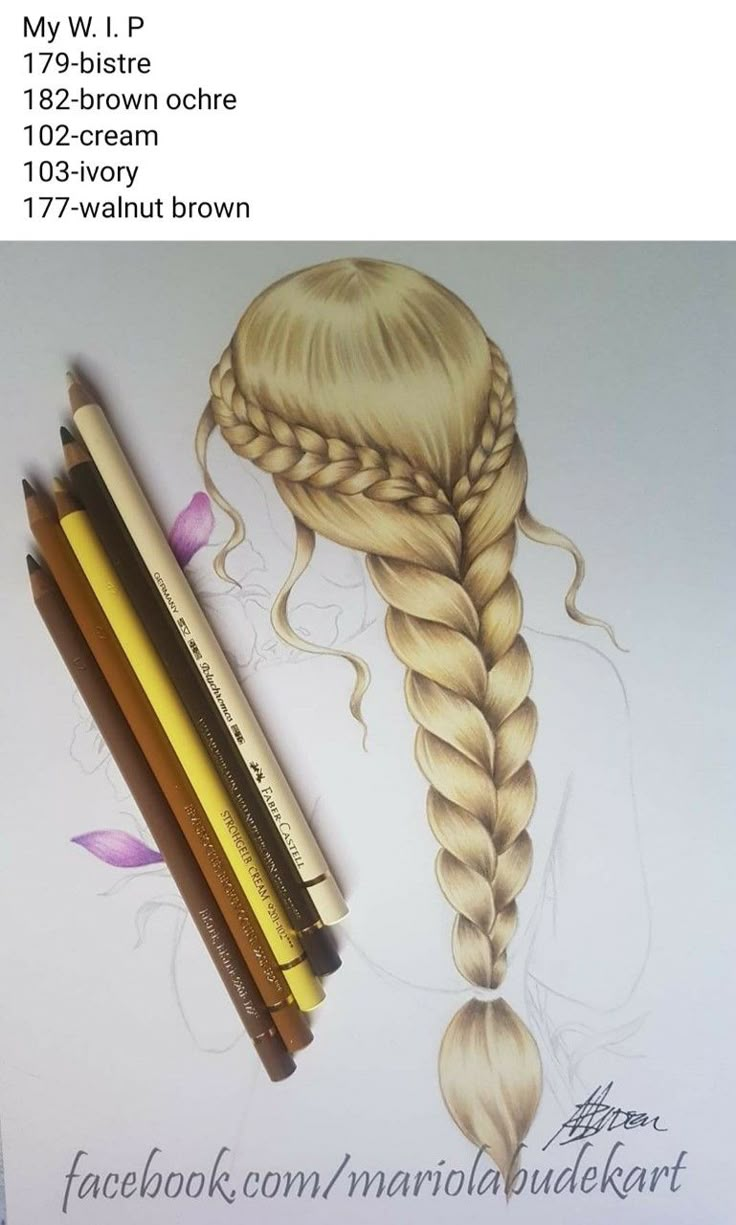


Gradient effects are particularly striking on long blonde hair, where you can experiment with smooth transitions from one vivid hue to another. To achieve this, begin by applying the darker pigment at the back sections and gradually lighten the pressure as you move toward the front, using shorter strokes and less product near the edges. Blending each layer while it is still slightly damp encourages a gentle overlap, and it helps you create a smoky, ombré look that feels both modern and sophisticated. With practice, you can control the intensity and placement of each gradient to suit your facial structure and personal aesthetic.
Maintaining Color and Hair Health
Maintaining your colored blonde hair requires a gentle routine that preserves the pigment while protecting the integrity of your strands. Wash your hair less frequently and use cool or lukewarm water to minimize fading, while a sulfate-free shampoo helps retain the vibrancy of the applied colors. Avoid prolonged exposure to direct sunlight or harsh chlorine water, and consider wearing a hat or using UV-protectant sprays when you are outdoors for extended periods. These small habits significantly slow down the rate at which the pigment washes out, keeping your design sharp for multiple wears.
Caring for your hair is just as important as caring for your design, especially since frequent coloring sessions can sometimes lead to dryness or brittleness over time. Incorporate deep conditioning treatments and lightweight oils into your weekly routine to keep the cuticle smooth and the strands flexible, which also helps the pigment adhere more evenly. By balancing creative expression with thoughtful maintenance, you can enjoy vibrant, colorful streaks while ensuring that your blonde hair remains healthy, shiny, and strong for all of your future styling experiments.
Experimenting with colored pencils on blonde hair opens up a playful, low-risk avenue for self-expression, letting you test vibrant shades and intricate patterns with ease and confidence. As you refine your technique and discover your preferred color combinations, this approach can become a regular part of your beauty routine, offering endless possibilities for reinvention. Embracing this simple yet effective method allows you to refresh your style, showcase your artistic side, and enjoy a safe, reversible transformation that suits your unique identity and evolving tastes.
Related Articles

How to Color Black Hair with Colored Pencils: Easy Step-by-Step Guide
Colored pencils are not just for sketchbooks anymore, and learning how to color black hair with colored pencils opens up a world of vibrant, temporary...
How to Color Hair with Colored Pencils for Beginners: Easy Step-by-Step Guide
Ever wondered how to add a pop of color to your hair without committing to a full dye job? Colored pencils might just be your secret weapon. This...

How to Color Blonde Hair with Dark Roots: Easy Step-by-Step Guide
Transforming blonde hair when dark roots show through requires a strategy that balances artistry with hair science, turning a common frustration into a...

How to Color Blonde Hair with Alcohol Markers: Ultimate Step-by-Step Guide
Coloring blonde hair with alcohol markers is an innovative way to add vibrant streaks or subtle ombré effects without the commitment of permanent dye. This...

How to Color Blonde Hair Brown Easily: Step-by-Step Guide
Transitioning blonde hair to brown is a rewarding journey that allows you to explore new dimensions of style and depth. Whether you are moving away from harsh...

How to Dye Your Hair Blonde Highlights at Home: Easy Step-by-Step Guide
Learning how to dye your hair blonde highlights at home can be an exciting way to refresh your look without a trip to the salon. This approach offers more...