How to Cook Without a Fire: Easy No Flame Recipes
In the heart of every culinary enthusiast lies the desire to create delicious meals, but what happens when the traditional cooking methods are not an option? Fear not, for there are numerous ways to cook without fire, harnessing the power of modern appliances, natural elements, and even the humble microwave. Let's delve into the world of fireless cooking and explore the possibilities that await your culinary adventures.
Fireless cooking, also known as no-heat cooking, has gained popularity in recent years due to its convenience, energy efficiency, and the ability to preserve the natural flavors and nutrients of ingredients. By utilizing techniques such as soaking, marinating, and the gentle heat of the sun, you can create a diverse range of dishes that will tantalize your taste buds and impress your guests.
Understanding Fireless Cooking Techniques
Before we dive into the various methods of fireless cooking, it's essential to understand the underlying principles that make these techniques possible. Fireless cooking relies on the natural properties of ingredients, such as enzymes and acids, to break down fibers, tenderize proteins, and enhance flavors. By harnessing these properties, you can create delicious meals without the need for heat.

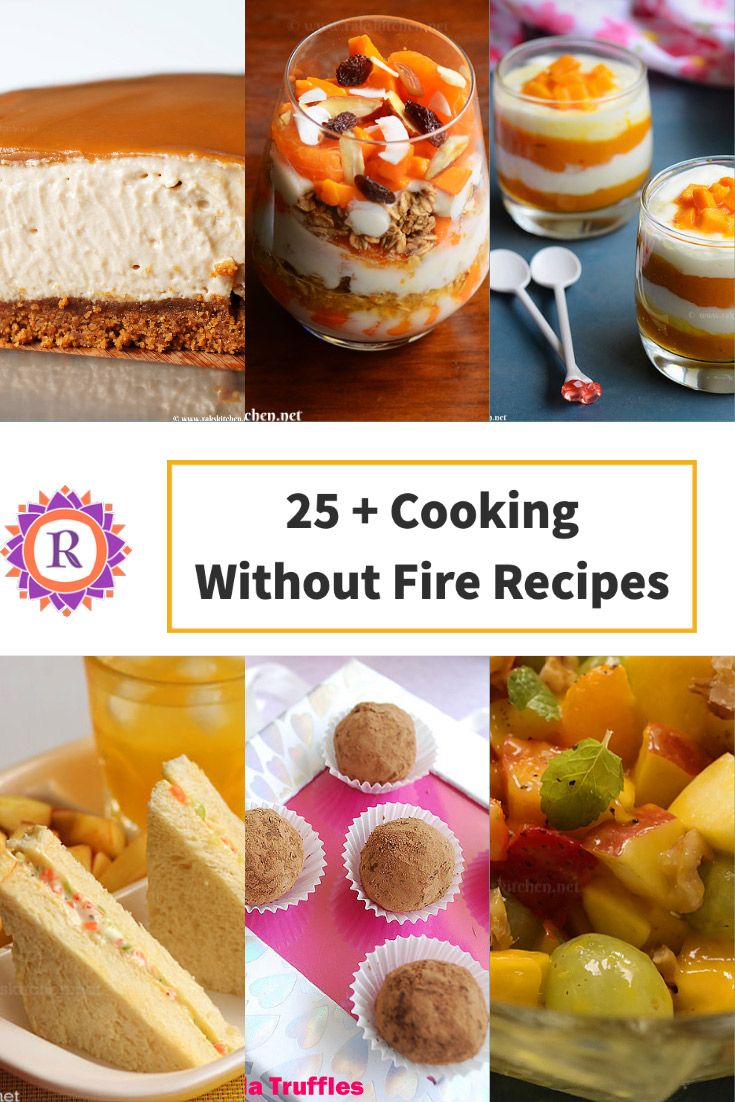

Additionally, fireless cooking techniques often involve the use of modern appliances, such as blenders, food processors, and microwaves, to facilitate the cooking process. These tools allow you to puree, chop, and heat ingredients quickly and efficiently, ensuring that your dishes are not only delicious but also visually appealing.
Soaking and Marinating
Soaking and marinating are two of the most fundamental techniques in fireless cooking. By submerging ingredients in liquid, you can soften tough fibers, infuse flavors, and enhance the overall texture of your dishes. For example, soaking dried beans overnight can significantly reduce their cooking time and make them more digestible. Similarly, marinating meat in acidic liquids, such as lemon juice or vinegar, can help tenderize proteins and add depth of flavor.


To maximize the benefits of soaking and marinating, it's essential to choose the right liquids and allow sufficient time for the process to occur. For instance, soaking grains and legumes in warm water can help activate their enzymes and promote germination, making them more nutritious and easier to digest. On the other hand, marinating meat in a combination of acidic liquids and aromatics can create complex flavors that would otherwise require hours of cooking over an open flame.
Sun Cooking and Solar Ovens
Sun cooking, also known as solar cooking, is an ancient technique that harnesses the power of the sun to heat and cook food. By using reflective surfaces, such as mirrors or aluminum foil, to concentrate sunlight onto a cooking vessel, you can generate sufficient heat to cook a wide range of dishes. This method is particularly popular in regions with abundant sunlight and can be an excellent way to reduce energy consumption and preserve natural resources.
Solar ovens are a modern iteration of sun cooking, featuring insulated chambers and reflective panels that can reach temperatures up to 350°F (175°C). These ovens are designed to cook food slowly and evenly, making them ideal for dishes that require long, low-heat cooking times, such as casseroles, stews, and baked goods. By using a solar oven, you can create delicious meals without generating any greenhouse gas emissions or contributing to air pollution.


Exploring Modern Fireless Cooking Methods
In addition to traditional fireless cooking techniques, modern appliances and gadgets offer a wealth of possibilities for creating delicious meals without the need for heat. By harnessing the power of microwaves, pressure cookers, and slow cookers, you can expand your culinary horizons and create dishes that are both nutritious and flavorful.
For example, the microwave oven can be an invaluable tool in fireless cooking, as it allows you to heat and cook food quickly and efficiently. By using the microwave's defrost setting, you can gently thaw frozen ingredients, preserving their natural juices and preventing the formation of ice crystals. Additionally, the microwave can be used to steam vegetables, cook grains, and even create delicious one-pot meals that require minimal effort and cleanup.
Microwave Cooking
Microwave cooking is an excellent method for preparing a wide range of dishes, from tender vegetables to perfectly cooked grains. By using the microwave's ability to heat food quickly and evenly, you can create dishes that are both nutritious and delicious. For example, steaming vegetables in the microwave can help preserve their natural colors, textures, and flavors, making them an excellent side dish or addition to salads and stir-fries.


To maximize the benefits of microwave cooking, it's essential to choose the right containers and adjust the cooking time accordingly. Using microwave-safe glass or ceramic containers can help distribute heat evenly and prevent hot spots from forming. Additionally, covering your food with a damp paper towel or a loose-fitting lid can help trap steam and promote even cooking, ensuring that your dishes are tender and evenly cooked.
Pressure Cooking and Slow Cooking
Pressure cookers and slow cookers are two more modern appliances that can be used to create delicious meals without the need for heat. Pressure cookers work by creating a high-pressure environment inside a sealed chamber, allowing food to cook quickly and evenly at high temperatures. This method is particularly useful for tenderizing tough cuts of meat, cooking dried beans, and creating flavorful stews and soups.
Slow cookers, on the other hand, use low, steady heat to cook food over an extended period, typically ranging from four to eight hours. This method is ideal for dishes that require long, slow cooking times, such as pot roasts, pulled pork, and chili. By using a slow cooker, you can create tender, flavorful meals with minimal effort and without the need for constant attention.
In the world of fireless cooking, the possibilities are endless. From soaking and marinating to harnessing the power of the sun and modern appliances, you can create a diverse range of dishes that are both nutritious and delicious. So, the next time you find yourself without a fire, don't despair – embrace the challenge and let your culinary creativity shine. Who knows, you might just discover your new favorite dish in the process.
Related Articles

Easy No Cook Snack Ideas Quick Simple Recipes
Discovering simple snacks to make without cooking opens up a world of fresh, vibrant flavors without stepping foot near a stove. These no cook recipes are...

How to Cook on a Campfire Grill: Easy Recipes and Tips
Embarking on a camping trip doesn't mean you have to forgo delicious, well-prepared meals. A campfire grill can be your key to culinary adventures under the...

Slow Cook Grill Recipes Fire Up Flavorful Meals At Low Heat
Imagine this: a cool autumn evening, the scent of smoldering wood, and a slow cook grill filled with a tantalizing recipe, ready to serve a feast for your...

Simple No Cook Finger Foods For Parties Adults Quick Easy Recipes
Hosting a party for adults doesn't have to mean spending hours in the kitchen. Simple no-cook finger foods can be both elegant and satisfying, allowing you to...

Easy No Cook Side Dishes for Picnic Potluck SEO Recipes
Gather your friends and family for a delightful picnic potluck, but leave the cooking to the professionals - or at least, to the weather. With these no-cook...

Nice to Cook: Delicious Recipes Made Easy
Cooking is a universal language that brings people together, and one of the most delightful aspects of it is the sheer joy of creating something delicious from...