How to Cut Melamine: Expert Guide and Step-by-Step Instructions
Cutting melamine the right way requires a blend of the correct tools, careful preparation, and solid technique to prevent chipping and surface damage.
This dense, resin-coated material is popular for cabinetry and furniture because it is durable and easy to clean, but that same strength makes it tricky to work with if you do not follow proven methods.
Preparation and Measuring
Before you make a single cut, thorough preparation protects your investment and keeps the project on schedule.


Taking the time to mark accurately and stabilize the sheet reduces the risk of messy edges and wasted material.
Use a Fine Tooth Blade or Scoring Method
For the cleanest cut, choose a blade designed for melamine, such as a high quality carbide tipped table saw blade with a high tooth count or a dedicated melamine cutting blade.


These tools are engineered to slice through the surface skin without tearing, which is essential when you want sharp, professional looking edges.
Support the Panel and Minimize Vibration
Set up sturdy sawhorses, a cutting table, or a dedicated track system so the sheet has full support throughout the process.
Adding inline roller stands or auxiliary supports keeps the material flat and controls vibration, helping you maintain consistent accuracy and safety.


Making Straight Cuts
Straight cuts are the foundation of any melamine project, and using the right approach keeps the surface intact and the edges smooth.
With the proper setup, you can achieve clean, splinter free results whether you are trimming a few inches off a panel or cutting multiple identical pieces.
Employ a Track Saw or Circular Saw with a Guide
A track saw works exceptionally well for melamine because the guided motion reduces wandering and delivers exceptionally straight edges.


If you are using a circular saw, clamp a straight edge or factory edge as a guide, and confirm the cutting depth is just enough to pierce the panel without unnecessary blade exposure.
Score Before Cutting Through for Hand Tools
When you prefer hand tools, scoring the surface with a sharp utility knife along the cut line helps the saw blade stay on track.
This simple step minimizes chipping on the top veneer, which is especially valuable when you are working with large panels or tight tolerance joinery.
Cutting Curves and Shapes
Creating curved or detailed profiles in melamine demands a slightly different mindset than cutting straight lines, but the same principles of surface protection apply.
Using tools that give you control and gradual material removal is the key to avoiding cracks and ragged edges.
Choose a Jigsaw with a High Quality Blade
A jigsaw fitted with a fine tooth, high quality blade allows you to follow patterns while reducing the chance of chipping the visible surface.
Move at a steady, moderate pace, and let the tool do the work instead of forcing it through the material.
Drill Entry Holes and Plan the Cutting Path
For interior cutouts, start with a properly sized drill bit to create a clean entry point for the blade.
Planning the sequence of your cuts and removing smaller sections first often leads to better control and a smoother final profile.
Finishing and Safety
Once the pieces are cut, attention to detail in sanding, edge treatment, and safe handling completes the process.
These final steps ensure your work looks great and holds up well under everyday use.
Hand Edge Sander for Smooth, Consistent Results
Lightly working the edges with a hand edge sander fitted with fine grit paper removes any ragged fibers without gouging the surface.
This method gives you full control and helps you maintain sharp, clean profiles while protecting the factory finish.
Wear Proper Safety Gear and Maintain Tools
Even with careful technique, dust and small particles are a normal part of working with engineered sheet goods.
Use a respirator, safety glasses, and hearing protection as needed, and keep your blades and bits in good condition for reliable performance.
Mastering these approaches gives you the confidence to handle melamine with precision, whether you are tackling a single cabinet refresh or a full room renovation.
As you gain experience, each cut will feel more controlled, and the quality of your results will reflect the care you put into every step.
Related Articles
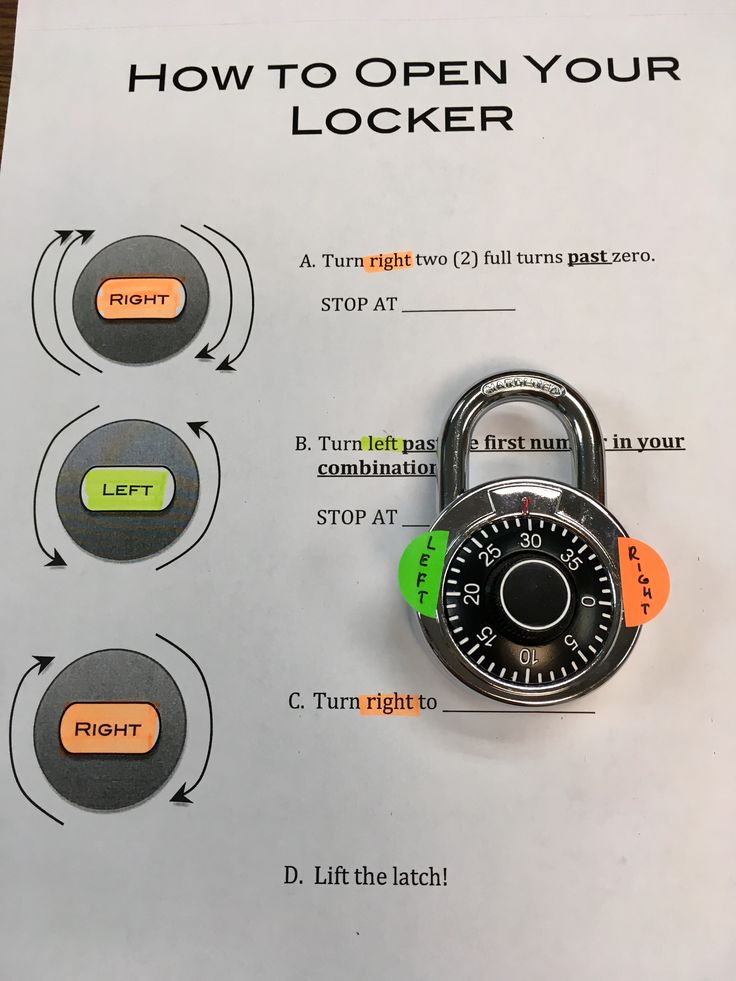
School Locker Lock Instructions: Step-by-Step Guide
Learning how to use a school locker lock correctly can save you time and stress during a busy day. These sturdy metal storage units line the hallways of most...

How to Attach Wood Beams to Ceiling: Expert Step-by-Step Guide
Attaching wood beams to a ceiling is a crucial step in constructing or renovating a home, as it provides structural support and enhances the aesthetic appeal...

Hosta Bulb Planting Instructions: Step-by-Step Guide for Perfect Growth
Planting hosta bulbs correctly sets the stage for lush, long lived foliage that fills garden borders with reliable color. These hardy perennials are a favorite...

Sultan Luroy Ikea Bed Frame Assembly Instructions: Step-by-Step Guide
Putting together the sultan luroy ikea bed frame is a smart move for anyone looking to save money while upgrading their bedroom style. This popular flat pack...

Expert Azalea Planting Instructions Step By Step Guide
Embarking on the journey of transforming your garden into a vibrant oasis? Azaleas, with their stunning blooms and lush foliage, are an excellent choice to add...

How to Cover Melamine Cabinets with Wallpaper: A Step-by-Step Guide
Covering melamine cabinets with wallpaper is an innovative way to refresh your kitchen or bathroom without the cost of new cabinetry. This technique allows you...