How to Design a School Garden: Step-by-Step Guide
Transforming a school's outdoor space into a vibrant garden not only enhances its aesthetic appeal but also provides an invaluable learning resource for students. A school garden can serve as a living classroom, fostering curiosity, and teaching children about nature, ecology, and sustainable practices. So, let's dive into creating a thriving school garden that's both engaging and educational.
Before we delve into the specifics, it's crucial to consider the garden's purpose and the students' needs. Is it primarily for teaching, relaxation, or perhaps a combination of both? Understanding this will help you design a space that's both functional and enjoyable for everyone involved.
Planning Your School Garden
The planning phase is where you'll establish the garden's layout, choose plants, and consider the resources needed. Here are two key aspects to focus on:


**Assessing Your Space and Resources:** Begin by measuring the area available for the garden. Consider the soil quality, sunlight exposure, and any existing features like trees or benches. Also, assess the resources at your disposal, such as water supply, gardening tools, and available help from teachers, parents, or volunteers.
Designing the Layout
Once you've assessed your space and resources, it's time to create a garden design. Sketch out a rough plan, considering the following elements:


- Paths and Accessibility: Ensure the garden is accessible to all students, including those with mobility challenges. Incorporate wide, smooth paths and consider using raised beds for easier access.
- Zones:** Divide the garden into distinct zones based on plant types or themes. For instance, you might have a vegetable patch, a sensory garden, a butterfly garden, or a native plant area.
- Seating and Gathering Spaces:** Include areas where students can sit, observe, and engage with the garden. Benches, picnic tables, or even a simple circle of pavers can serve this purpose.
Choosing Plants and Materials
Select plants that are easy to grow, hardy, and suitable for your climate. Consider a mix of annuals and perennials, and include both native and non-native species to encourage biodiversity. Here are some plant ideas:
- Vegetables:** Tomatoes, lettuce, beans, and herbs are all easy to grow and can be harvested throughout the school year.
- Flowers:** Marigolds, sunflowers, and pansies are colorful and attract pollinators. They're also easy for children to care for.
- Trees and Shrubs:** Fruit trees, berry bushes, and evergreens provide year-round interest and can serve as natural boundaries or windbreaks.
Involving Students in the Gardening Process
Engaging students in the gardening process is key to making the garden a valuable learning tool. Here's how you can involve them at every stage:
**Preparation and Planting:** Invite students to help prepare the soil, plant seeds and seedlings, and label plants. This hands-on approach helps them understand the growth process and fosters a sense of ownership and responsibility.
Ongoing Care and Maintenance
Encourage students to participate in regular garden care tasks, such as watering, weeding, and pruning. This not only helps keep the garden healthy but also teaches them about plant needs and the importance of consistent care.
**Observation and Documentation:** Prompt students to observe and record changes in the garden over time. They can keep journals, take photographs, or create artworks inspired by the garden. This helps them develop observation skills and understand the concept of growth and change.
Harvesting and Cooking
If you've included edible plants in your garden, involve students in harvesting and cooking activities. They'll learn about the food cycle, nutrition, and even basic cooking skills. Plus, they'll enjoy the satisfaction of eating something they've grown themselves!
Creating a school garden is a rewarding project that benefits both students and the wider school community. By following these steps and involving students throughout the process, you'll cultivate a thriving outdoor space that's a true asset to your school. Happy gardening!


Related Articles
How to Draw a Simple Garden: Easy Step-by-Step Guide
Transforming a blank canvas into a vibrant, lush garden is an incredibly rewarding endeavor. Whether you're a seasoned gardener or just starting your green...

How to Grow a School Garden: A Complete Guide for Parents and Teachers
Transforming a patch of school ground into a thriving garden can be an incredibly rewarding experience. Not only does it provide an opportunity for students to...
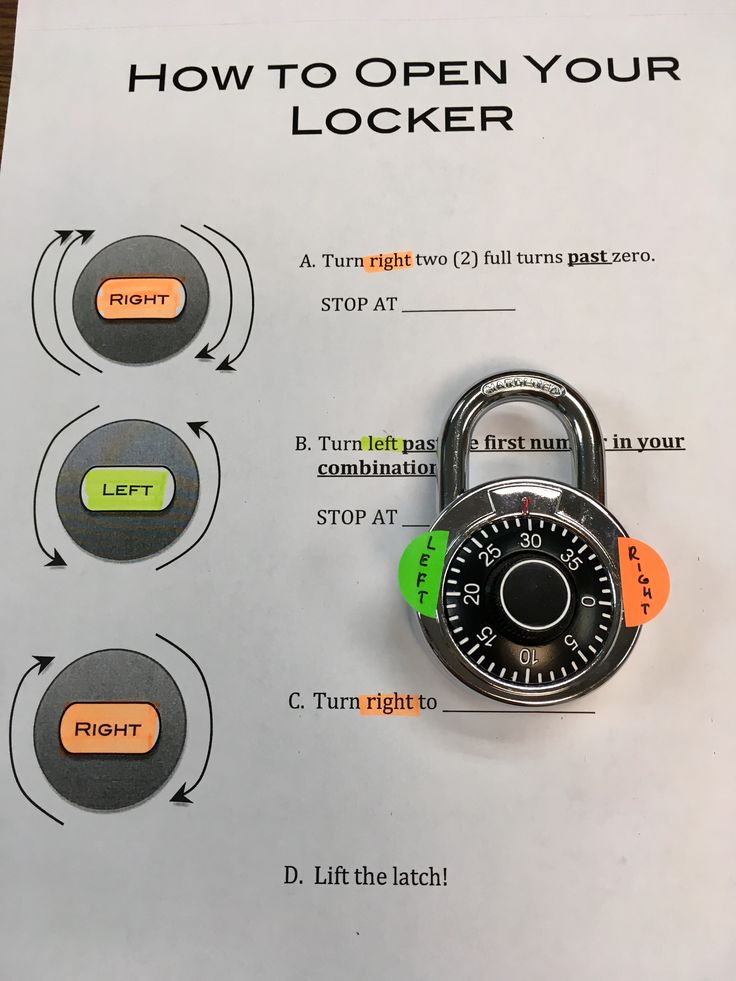
School Locker Lock Instructions: Step-by-Step Guide
Learning how to use a school locker lock correctly can save you time and stress during a busy day. These sturdy metal storage units line the hallways of most...

DIY Open Terrarium for Beginners: Your Step-by-Step Guide to Creating a Miniature Garden Oasis
Embarking on the journey of terrarium creation can be an incredibly rewarding experience, especially when you're just starting out. A DIY open terrarium is an...
Easy Step by Step Guide How to Draw a Flower Garden for Beginners
Learning how to draw a flower garden easy is a rewarding way to capture the beauty of nature on paper without needing professional experience. This simple...

Mastering Simple Pencil Sketches: A Step-by-Step Guide
Learning how to draw simple pencil sketches is one of the most rewarding creative journeys you can begin, whether you are a total beginner or someone...