How to Get a Futon to Lay Flat: Step-by-Step Guide
Learning how to get a futon to lay flat is a common challenge for many homeowners who want a comfortable sleeping surface without sacrificing space. A futon that refuses to stay flat can turn a good night's rest into a frustrating struggle, leaving you with a lumpy, uneven surface that disturbs your sleep.
This guide addresses the most frequent issues owners face, from a sagging middle to stubborn hinges that prevent the mattress from achieving true horizontal alignment. By understanding the mechanics of your specific model, you can transform your guest furniture into a reliable, everyday bed that provides consistent support.
Diagnosing the Sagging Problem
The first step in the process is to identify exactly where and why the futon fails to stay level. Often, the issue is a simple matter of worn-out components or accumulated dirt that shifts the weight distribution, causing the frame to bow in the center.


Take a moment to inspect the support system beneath the sleeping surface. Look for damaged slats, broken hinges, or metal bars that may have lost their tension, as these are usually the primary culprits behind a futon that won't maintain a flat position.
Checking the Frame Integrity
Examine the wooden or metal frame for any visible cracks or bends, as structural damage directly impacts the mattress's ability to lie evenly. A compromised frame will often result in a permanent dip that no amount of flipping can correct.


Pay close attention to the joints and bolts; if they are loose, the frame may be shifting under weight. Tightening these connections can sometimes restore the necessary rigidity to keep the surface level and stable throughout the night.
Assessing the Mattress Fill
If the frame is solid, the problem might lie within the mattress filling itself. Traditional futons filled with cotton or fiberfill tend to break down over time, losing their loft and causing sagging in high-contact areas like the middle.
In these cases, the filling has simply reached the end of its useful life. Replacing or fluffed filling is often the most effective solution when the core material can no longer provide the necessary support to maintain a flat surface.


Mechanical Solutions and Adjustments
For futons that use a folding mechanism, the alignment of the hinges is critical to achieving a flat lay. Misaligned hinges create tension that forces the mattress into a folded position, making it impossible to spread the frame completely.
By carefully adjusting the hardware or lubricating the moving parts, you can reduce friction and ensure that the mechanism moves smoothly. This mechanical precision is essential for allowing the mattress to expand fully without fighting against the frame's design.
Using Support Boards or Slats
Adding rigid support boards between the frame slats can distribute weight more evenly and prevent soft spots from forming. This method is particularly useful for older futons where the original slats may have weakened or warped over the years.


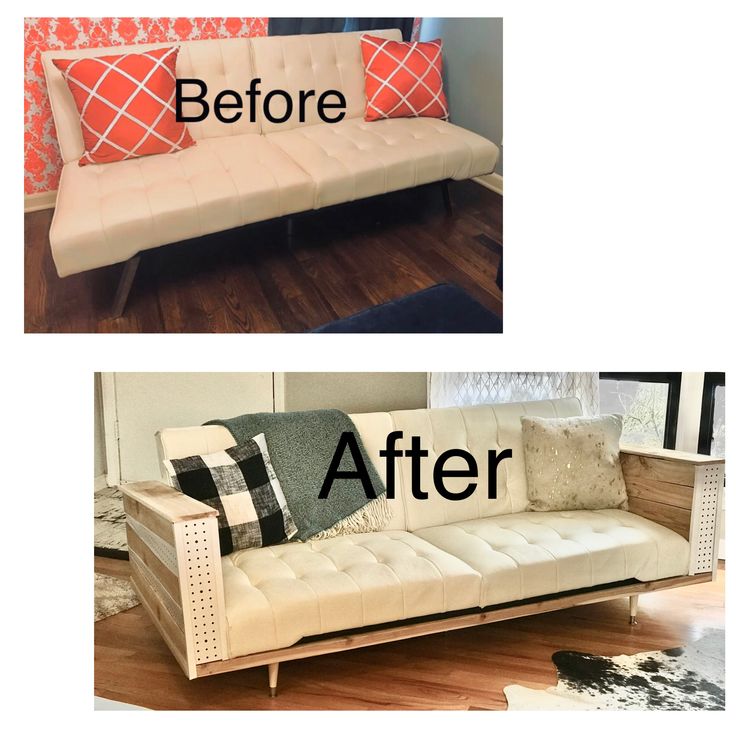
Plywood or firm MDF boards placed directly under the mattress offer a stable substrate that helps the entire surface maintain a uniform level, eliminating the dips that cause discomfort during sleep.
Adjusting the Mattress Placement
Sometimes, the simple act of repositioning the mattress relative to the frame solves the issue. If the mattress is slightly oversized or folded during storage, it can create bunches that prevent the futon from lying completely flat.
Ensure that the mattress sits perfectly centered within the metal rails or wooden borders. Smoothing out any wrinkles and tucking the edges tightly against the frame can make a significant difference in how the bed lays.
Long-Term Maintenance Tips
Preventing the futon from developing a sag over time requires a proactive approach to maintenance. Regularly rotating the mattress and flipping it from head to toe helps distribute wear more evenly across the entire sleeping surface.
This practice extends the life of the filling and ensures that no single area bears the full burden of your weight night after night, which is a primary reason why a bed starts to lose its flat profile.
Protecting the Frame and Hardware
Dust and debris can accumulate in the hinges and locking mechanisms, causing them to stiffen and misalign. A simple routine of cleaning these components with a soft brush and applying a silicone lubricant keeps the mechanism operating with precision.
Protecting the wooden parts with a light coat of furniture oil prevents drying and cracking, ensuring that the structural integrity remains intact so the mattress can always achieve a perfect plane.
Knowing When to Replace Components
Despite diligent care, certain parts will eventually wear out and need replacement. Investing in high-quality slats or a new layer of firm foam can breathe new life into an aging futon that no longer stays flat.
Viewing these replacements as an investment in comfort allows you to extend the usability of your furniture significantly, avoiding the cost and hassle of purchasing an entirely new unit when a simple upgrade will suffice.
Mastering these techniques allows you to maintain a reliable sleeping surface that adapts to your needs without losing its form. A well-cared-for futon offers the flexibility of a day couch and the comfort of a proper bed, making it a valuable addition to any home.
Related Articles

How to Hang Flat Curtain Rods: Easy Step-by-Step Guide
Hanging flat curtain rods the right way transforms simple fabric panels into a polished feature that frames your view of the world. Whether you are refreshing...

How to Fold a Futon Bed Into a Couch: Easy Step-by-Step Guide
Transforming your futon bed into a comfortable couch is a breeze with just a few simple steps. This versatile piece of furniture offers the best of both worlds...

How to Change Futon from Couch to Bed: Easy Step-by-Step Guide
Transforming your futon from a couch into a bed is a versatile and space-saving solution for small homes or apartments. This guide will walk you through the...

How to Build a Flat Roof Terrace: Step-by-Step Guide
Building a flat roof terrace is one of the most effective ways to transform an unused rooftop into valuable living space, creating an outdoor room that extends...

How to Cut a Short Haircut Female: Easy Step-by-Step Guide
Embracing a short haircut can be a liberating and empowering decision for women, offering low-maintenance style and a chance to showcase their features. But...

How to Install Backyard Tiles: A Step-by-Step Guide
Transforming your backyard into a functional and inviting space is a rewarding project. Installing backyard tiles is an excellent way to achieve this, adding...