Transform Your Backyard: Beginner's Guide to Landscaping
Transforming your backyard into a lush, inviting space doesn't require a green thumb or a degree in horticulture. With the right planning and a few simple steps, you can create a beautiful, functional landscape that's perfect for relaxing, entertaining, or simply enjoying nature. Let's dive into the world of backyard landscaping for beginners and explore how you can turn your outdoor space into a haven.
Before you grab your gardening gloves and head outside, it's essential to assess your backyard's unique features and consider your personal preferences. Think about the activities you enjoy, the amount of time you want to spend maintaining your landscape, and the style you want to achieve. Once you have a clear vision, you can start planning your dream backyard.
Assessing Your Backyard
Every backyard is unique, with its own set of challenges and opportunities. Begin by evaluating your space's size, shape, and existing features. Consider the amount of sunlight it receives throughout the day, as this will impact the types of plants and trees you can grow. Additionally, take note of any slopes, drainage issues, or problem areas that may require attention.


Don't forget to consider your backyard's boundaries and privacy. Fences, hedges, or other barriers can help create a sense of enclosure and protect your space from curious neighbors or passing wildlife. By assessing your backyard's unique characteristics, you can create a landscape design that complements and enhances its natural features.
Creating a Landscape Plan
With a clear understanding of your backyard's assets and limitations, it's time to put your design ideas on paper. Sketching a rough plan of your backyard can help you visualize your ideas and make informed decisions about where to place plants, features, and hardscaping elements. Consider using graph paper or a digital design tool to create a more accurate representation of your space.


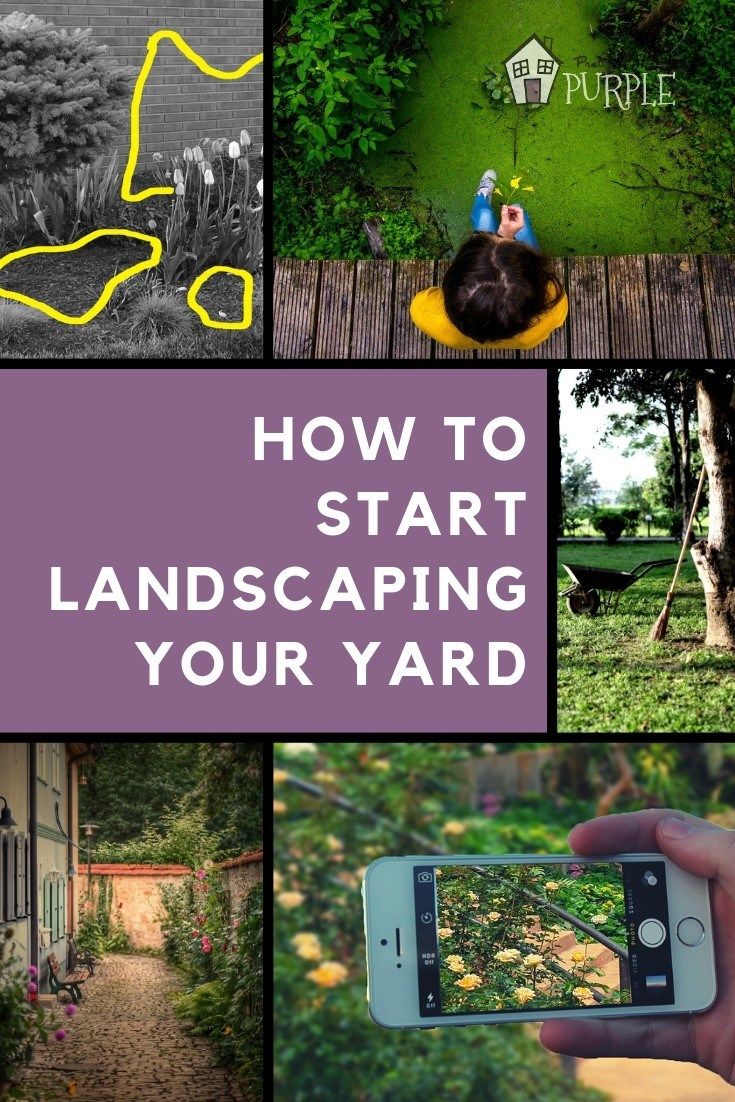
Your landscape plan should include the following elements:
- Existing features, such as trees, shrubs, and structures
- Proposed plants, trees, and hardscaping elements
- Lawn areas and garden beds
- Walkways, patios, and other hardscaping features
- Irrigation and drainage systems
Choosing the Right Plants
Selecting plants that thrive in your climate and complement your landscape design is crucial for a successful backyard transformation. Research plant hardiness zones to ensure you choose species that can withstand your region's weather conditions. Additionally, consider the mature size of plants, their growth rate, and their maintenance requirements.
To create a cohesive look, group plants with similar needs together in garden beds or clusters. This approach promotes healthy growth and simplifies maintenance. Don't forget to include a mix of evergreen and deciduous plants to provide year-round interest and color. Incorporating native plants can also help attract local wildlife and support biodiversity in your backyard.


Designing Functional Spaces
Creating distinct areas in your backyard can help maximize its functionality and make it more enjoyable to use. Consider incorporating spaces for relaxation, dining, and entertainment, as well as dedicated areas for gardening or outdoor hobbies. By defining these spaces with hardscaping elements, such as patios, walkways, and retaining walls, you can create a cohesive, inviting landscape.
Hardscaping materials, such as concrete, pavers, and stone, can add texture, contrast, and durability to your backyard. When selecting materials, choose options that complement your home's architecture and reflect your personal style. Don't be afraid to mix and match materials to create a unique, custom look.
Creating a Focal Point
A well-designed landscape often features a central focal point that draws the eye and anchors the space. This could be a stunning tree, a water feature, a piece of outdoor art, or a beautifully designed garden bed. To create a strong focal point, consider the scale of your backyard and choose an element that commands attention without overwhelming the space.


To emphasize your focal point, use complementary plants, hardscaping elements, and lighting to create a sense of balance and harmony. By drawing the eye to a central point, you can create a more cohesive, inviting landscape that feels well-designed and intentional.
Layering for Visual Interest
Creating depth and visual interest in your backyard involves layering plants and hardscaping elements at varying heights and distances. Start by establishing a strong foundation with evergreen shrubs, trees, and hardscaping features. Then, layer in deciduous plants, annuals, and perennials to create a dynamic, changing landscape throughout the seasons.
To create a sense of depth, use the "rule of thirds" to position plants and features at different points within your landscape. This technique helps create a balanced, visually appealing composition that draws the eye through the space and encourages exploration.
As you embark on your backyard landscaping journey, remember that patience and persistence are key. Transforming your outdoor space into a beautiful, functional retreat takes time, and it's essential to enjoy the process along the way. With careful planning, attention to detail, and a willingness to learn, you can create a backyard that reflects your unique style and brings joy to you and your loved ones for years to come.
Related Articles
Transform Your Front Yard: A Beginner's Guide to Landscaping
Transforming your front yard into a welcoming, beautiful space can be an exciting and rewarding project, even for beginners. With the right planning and a few...
Transform Your First Impression: A Beginner's Guide to Designing Your Front Yard Landscape
Transforming your front yard into a welcoming, beautiful space doesn't require a degree in landscape architecture. With a little planning and some creative...

Small Backyard Landscaping Ideas with Artificial Grass: Transform Your Space
Transforming a small backyard into a relaxing retreat is easier than ever with the strategic use of artificial grass, especially for homeowners who crave a...

Transform Your Backyard: Inspiring Tree Landscape Ideas
Transforming your backyard into a lush, inviting landscape is an exciting project that can significantly enhance your outdoor living space. Incorporating trees...

Transform Your Front Yard: Expert Guide to Stunning Pond Landscaping
Transforming your front yard into a serene oasis with a captivating pond can significantly enhance your home's curb appeal and provide a tranquil space for...

Camper Tips and Tricks for Beginners: Your Essential Beginner's Guide
Embarking on your first campervan adventure can be an exhilarating experience, filled with new sights, sounds, and sensations. To ensure your journey is smooth...