How to Landscape for Beginners: A Simple Step-by-Step Guide
Embarking on your first landscaping project can be an exciting and rewarding journey. Transforming your outdoor space into a beautiful, functional, and inviting area is a fantastic way to enhance your home's curb appeal and create a space you'll love spending time in. But where do you start? This comprehensive guide will walk you through the essential steps of landscaping for beginners, helping you create a stunning outdoor oasis that reflects your unique style.
Before you dive into the nitty-gritty of plants, hardscaping, and design, it's crucial to understand that landscaping is a process that requires careful planning, patience, and a bit of creativity. By breaking down your project into manageable steps and taking the time to learn about the principles of landscape design, you'll be well on your way to creating a stunning outdoor space that you can be proud of.
Assessing Your Space and Setting Goals
Before you grab your shovel or head to the nursery, take a step back and assess your outdoor space. Consider the size, shape, and existing features of your yard, as well as any potential challenges or limitations. This initial evaluation will help you determine the scope of your project and set realistic goals for your landscaping journey.


Once you have a clear understanding of your space, it's time to dream big! Let your imagination run wild as you envision the perfect outdoor retreat. Consider your lifestyle, preferences, and the functionality you want from your space. Are you looking to create a serene sanctuary for relaxation, or perhaps a lively entertainment area for hosting friends and family? By setting clear goals, you'll have a roadmap to guide your design decisions and help you stay focused throughout the process.
Understanding Your Yard's Microclimate
Before you start planting, it's essential to familiarize yourself with your yard's microclimate. This includes factors such as sunlight exposure, soil type, and moisture levels. Understanding these elements will help you choose plants that are well-suited to your environment and more likely to thrive in your space.


To assess sunlight exposure, observe your yard throughout the day, noting the areas that receive full sun (at least 6 hours of direct sunlight), partial shade, or full shade. You can also use a sunlight calculator or consult with a local nursery for more specific information. Additionally, consider the soil type in your yard – is it sandy, loamy, or clay-like? Conducting a simple soil test can provide valuable insights into your soil's composition and help you determine the best plants and amendments for your space.
Researching Landscape Design Principles
To create a cohesive and visually appealing landscape, it's essential to understand the fundamental principles of design. Familiarizing yourself with these principles will help you make informed decisions about your space and create a harmonious, balanced design.
Some key landscape design principles to keep in mind include balance, proportion, rhythm, unity, and focalization. Balance refers to the distribution of visual weight in your design, while proportion ensures that elements are appropriately sized in relation to one another and the overall space. Rhythm creates a sense of movement and flow, guiding the eye through the landscape, while unity ties the various elements of your design together, creating a cohesive whole. Finally, focalization draws attention to a specific point of interest, creating a visual anchor for your space.


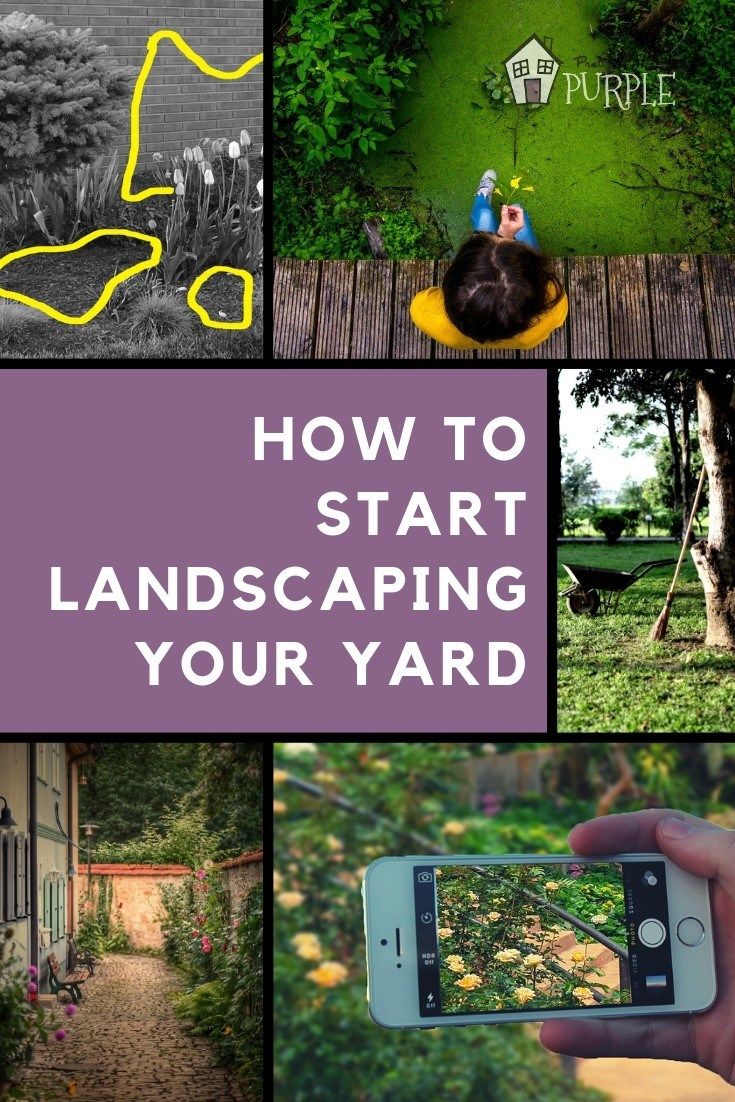

Designing Your Landscape: From Concept to Paper
Now that you have a clear understanding of your space, goals, and design principles, it's time to put pen to paper and create a detailed landscape plan. This step is crucial for ensuring that your vision becomes a reality and helps you stay organized and on budget throughout the implementation process.
Begin by creating a base map of your yard, including existing features such as trees, buildings, and hardscaping elements. Next, sketch out your proposed design, incorporating the plants, features, and layout that align with your goals and design principles. Don't be afraid to get creative and experiment with different ideas – you can always refine your design as you go.
Choosing the Right Plants
Selecting the perfect plants for your landscape is an exciting task that requires careful consideration. When choosing plants, consider factors such as size, growth habit, color, texture, and seasonality. Opt for a mix of evergreen and deciduous plants to provide year-round interest, and don't forget to include a variety of heights and forms to create visual depth and dimension.


Additionally, consider the maintenance requirements of the plants you choose. Are you looking for low-maintenance options that require minimal care, or are you eager to tend to a more diverse and demanding garden? By selecting plants that suit your lifestyle and preferences, you'll ensure that your landscape remains a source of joy and satisfaction for years to come.
Incorporating Hardscaping Elements
Hardscaping elements, such as patios, walkways, and retaining walls, play a crucial role in defining the structure and functionality of your landscape. By incorporating these elements into your design, you can create distinct spaces, enhance curb appeal, and add visual interest to your outdoor space.
When selecting hardscaping materials, consider factors such as durability, maintenance, and cost. Popular options include concrete, brick, stone, and gravel, each offering unique aesthetic and functional benefits. Don't be afraid to mix and match materials to create a cohesive, yet dynamic, look in your landscape.
Preparing Your Site and Planting Your Landscape
With your design in hand, it's time to roll up your sleeves and transform your vision into a reality. Begin by preparing your site, removing any existing vegetation, and addressing any soil issues or drainage concerns. This step may involve tilling, amending the soil with organic matter, and leveling the ground to create a solid foundation for your new landscape.
Once your site is prepared, it's time to install any hardscaping elements, such as patios, walkways, and retaining walls. Be sure to follow the manufacturer's instructions and any local building codes to ensure a safe and structurally sound installation.
Planting Your Landscape
With your hardscaping elements in place, it's time to turn your attention to the plants that will bring your landscape to life. Begin by laying out your plants on the ground, ensuring that they are properly spaced and positioned according to your design. This step will help you visualize the final look of your landscape and make any necessary adjustments before planting.
When planting, be sure to follow the care instructions provided by the nursery, including watering, fertilizing, and mulching requirements. Proper planting techniques, such as ensuring that the root flare is level with the ground and gently firming the soil around the plant, will help your plants establish strong roots and thrive in their new environment.
Adding the Finishing Touches
With your plants in the ground, it's time to add the final touches that will elevate your landscape from ordinary to extraordinary. Consider incorporating outdoor lighting, such as path lights, accent lights, and string lights, to extend the use of your space into the evening hours and create a warm, inviting atmosphere.
Additionally, don't overlook the power of accessories, such as outdoor furniture, planters, and decorative accents, to personalize your space and reflect your unique style. By carefully curating these elements, you'll create a cohesive, inviting, and truly special outdoor retreat that you'll love spending time in.
Embarking on your first landscaping project is an exciting journey that allows you to express your creativity and transform your outdoor space into a reflection of your personal style. By following the steps outlined in this guide and approaching your project with patience, planning, and a touch of creativity, you'll be well on your way to creating a stunning landscape that you can be proud of. So grab your gardening gloves and let the transformation begin – your dream landscape awaits!
Related Articles

How to Build a Simple Pergola for Beginners: Easy Step-by-Step Guide
Building a simple pergola can transform your outdoor space into a cozy, inviting retreat. This DIY project is perfect for beginners, as it requires minimal...

How to Paint a Simple Palm Tree: Easy Step-by-Step Guide
Ever dreamed of adding a touch of tropical paradise to your home decor? Painting a simple palm tree can be a fun and rewarding DIY project that brings a bit of...

Landscape Steps with Railroad Ties: A Simple Guide
Landscape steps with railroad ties offer a robust and visually striking solution for managing elevation changes in outdoor spaces. This approach combines the...

DIY Open Terrarium for Beginners: Your Step-by-Step Guide to Creating a Miniature Garden Oasis
Embarking on the journey of terrarium creation can be an incredibly rewarding experience, especially when you're just starting out. A DIY open terrarium is an...
Transform Your Front Yard: A Beginner's Guide to Landscaping
Transforming your front yard into a welcoming, beautiful space can be an exciting and rewarding project, even for beginners. With the right planning and a few...

How to Add a Doorway to a Hallway: Simple Step-by-Step Guide
Adding a doorway to a hallway can significantly enhance your home's layout and functionality. It's a project that requires careful planning and execution, but...