How to Make a Futon Look Like a Couch: Stylish DIY Upgrade
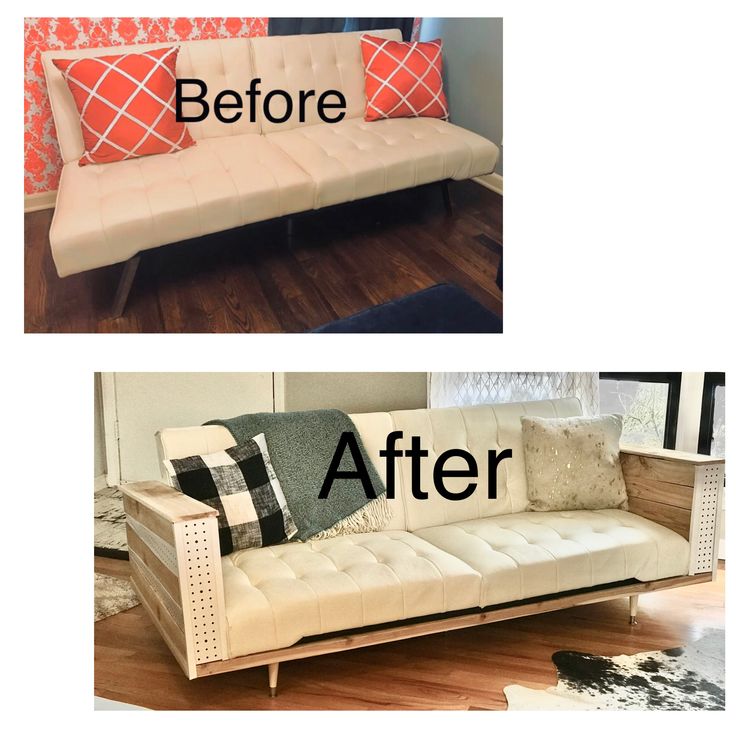
Making a futon look more like a couch is all about blending comfort with long-term style in your living space. Many people assume that a futon must always scream guest room or outdoor yard, but with a few smart updates you can easily integrate it into a relaxed everyday sofa setup. The goal is to soften the edges, add dimension, and create a cohesive look that feels intentional rather than improvised. By focusing on scale, texture, and color, you can turn a simple fold-away frame into a piece that quietly holds your daily life.
Before you start rearranging cushions, it helps to understand what visually separates a couch from a traditional futon. A classic couch usually has defined arms, a higher seat profile, and a consistent flow of upholstery that ties it to the surrounding decor. A futon, by contrast, often emphasizes a low profile, exposed wood or metal frames, and a more utilitarian silhouette. To make a futon look more like a couch, you want to emphasize the elements that mimic a dedicated sofa while downplaying the parts that read as purely functional or temporary.
Frame and Structure Tweaks
The foundation of any successful transformation starts with the frame itself. While you may not want to replace a sturdy wooden or metal frame, you can soften its impact by concealing harsh lines or adding architectural interest. Simple modifications like slipcovers, padded frames, or even custom skirting can turn a utilupport into something that feels designed specifically for your room.


Concealing the Frame with Slipcovers and Padding
A high quality slipcover is one of the most effective ways to make a futon visually closer to a traditional couch. Look for a tailored option that extends down to hide the frame sides and back, creating a continuous surface that mimics a standard sofa upholstery. Adding a layer of foam padding underneath can also give the seating area a fuller, more substantial silhouette, rather than a flat panel that looks like it belongs on a folding bed.
Adding Decorative Skirting or Base Extensions
Another trick is to install simple fabric or wooden skirting around the lower edge of the futon base. This not only hides storage gaps but also raises the perceived height of the piece, bringing it closer to the scale of a regular couch. Skirting in a complementary material can tie the futon to your existing room scheme while giving it a more finished, intentional appearance.


Comfort and Layering Strategies
Once the structure is addressed, shifting focus to comfort and surface texture is essential for selling the couch illusion. The more like a traditional sofa the seating feels, the easier it will be for guests to forget they are sitting on a fold-out frame. Strategic layering, from base cushions to accent throws, helps blend support and style into one cohesive look.
Mixing Seat Cushions for Better Proportions
Standard futon cushions are often long and uniform, which can look boxy compared to the contoured seat pads of many modern couches. By mixing deeper seat cushions with bolsters and thicker back pillows, you can create a more dimensional seating arrangement. This layered approach not only improves comfort but also introduces visual cues that align with conventional sofa styling.
Draping Throws and Decorative Accents
Throws and cushions are where personality really comes through, and they play a key role in making your futon feel like a relaxed couch. Drape a chunky knit blanket or a woven throw over one corner to introduce casual movement, and stack additional cushions in varying sizes to soften the overall line. When these accents match your living room palette, the futon starts to read as part of the furniture family rather than a separate functional item.



Placement and Room Integration
How you position the futon within your space can dramatically affect how couch-like it appears. Treating it as a primary seating anchor, rather than an afterthought, encourages a more intentional layout that supports everyday use.
Positioning the Futon Along a Wall or In a Conversation Cluster
Placing the futon along a wall with a matching sofa in front can create a cohesive seating run that feels deliberately designed. Alternatively, arranging it in a small conversation cluster with accent chairs helps it function as a true social seating piece. In both scenarios, the futon behaves less like a bed and more like a standard couch designed for lingering.
Using Coffee Tables and Lighting to Complete the Scene
Adding a low coffee table in front of the futon immediately raises the formality and usability of the setup. Choose a table with clean lines that echo other surfaces in the room, and consider a slightly raised design to match the sightlines of a regular sofa. Complement this with floor or table lamps that bathe the seating area in warm, layered light, subtly reinforcing the couch-like function of the piece.


Small finishes like side trays, a slim console behind the seating, and even carefully placed houseplants can further blur the line between futon and couch. The more cohesive the surrounding details, the more naturally your transformed seating will fit into daily life. With a bit of planning and a few targeted updates, your futon can serve as both a practical spare bed and a welcoming, couch-like centerpiece in your home.
Related Articles
How to Make a Futon Couch More Comfortable 10 Easy Fixes
Many people rely on a futon couch as a daily sleeping surface or a versatile living area that transitions from day to night. Over time, however, a thin...

How to Make a White Bathroom Look Warm Cozy Like Home
Many people assume that a white bathroom has to feel cold, clinical, and sterile, but this is a misconception that limits design potential. With a few...

Transform Gifts: Mastering the Art of Disguised Wrapping
Every gift you give carries a story, but what if the packaging itself could hint at the surprise without giving it away? The art of wrapping a gift to look...

Maximize Comfort: How to Transform Your Futon into a Perfect Sitting Spot
Many people discover that a classic foldable design offers a practical solution for small spaces, yet the firm surface often leads to discomfort during...
Best Comfort Solutions What Can I Put On A Futon To Make It More Comfortable
Transforming your futon into a cozy sanctuary doesn't require a complete overhaul. With the right additions, you can significantly enhance its comfort. Let's...

how to make cheap furniture look more expensive on a budget
Transforming budget-friendly furniture into a luxurious space doesn't require a complete overhaul or a hefty budget. With a few clever tricks and some creative...