How to Make Your Hard Futon More Comfortable
If you've recently invested in a hard futon, you might be wondering how to make it more comfortable. While futons are known for their durability and versatility, they can initially feel quite firm. But don't worry, with a few adjustments and additions, you can transform your hard futon into a cozy haven. Let's explore some practical ways to make your futon more comfortable.
Before we dive into the methods, it's essential to understand that futons are traditionally designed to be firm, providing support and longevity. However, this firmness can be softened to suit your comfort preferences. Now, let's look at how you can achieve this.
Understanding Your Futon's Construction
Before you start making changes, it's crucial to understand your futon's construction. Most futons have a frame, a mattress, and sometimes, additional padding. Knowing these components will help you determine the best ways to make your futon more comfortable.


For instance, some futons have a wooden or metal frame that can be adjusted to change the mattress's height. Others might have a frame that can be disassembled for easy storage or transportation. Understanding your futon's frame will help you decide whether you need to add extra padding or adjust the frame itself.
Choosing the Right Mattress
If your futon feels too hard, it might be due to the mattress. While futons typically come with a mattress, you can always swap it out for a softer one. Memory foam mattresses, for instance, conform to your body's shape, providing a comfortable, supportive sleep surface.


Alternatively, consider a latex mattress. Latex mattresses are known for their durability and comfort. They provide excellent support while maintaining a soft, plush feel. If you prefer a traditional innerspring mattress, look for one with a thick layer of padding to soften the coils.
Adding Padding and Toppers
If you're not ready to replace your mattress, you can add extra padding to soften it. Futon toppers are an excellent way to add an extra layer of comfort. They come in various materials, including memory foam, down, and fiberfill. Choose a topper that complements your mattress and provides the level of softness you desire.
You can also add padding to your futon's frame. If your futon has a wooden or metal frame, consider adding a layer of foam or padding to the top of the frame. This will soften the overall feel of the futon and make it more comfortable to sit on. Just ensure that the padding doesn't interfere with the frame's stability or functionality.


Adjusting Your Sleeping Position
Sometimes, the comfort of your futon depends on how you use it. If you're primarily using it as a bed, consider adjusting your sleeping position. Sleeping on your side can help distribute your weight more evenly, making the futon feel softer.
If you're using your futon as a couch, consider adding some throw pillows or a bolster cushion. These can help support your back and neck, making the futon more comfortable for lounging. You can also try adjusting the angle of the futon's backrest. Some futons have adjustable backrests that can be locked into different positions, allowing you to find the most comfortable angle for you.
Using Sheets and Bedding
The right bedding can make a significant difference in the comfort of your futon. Opt for high-quality, breathable fabrics like cotton or bamboo. These fabrics are soft, comfortable, and help regulate your body temperature, ensuring a comfortable night's sleep.


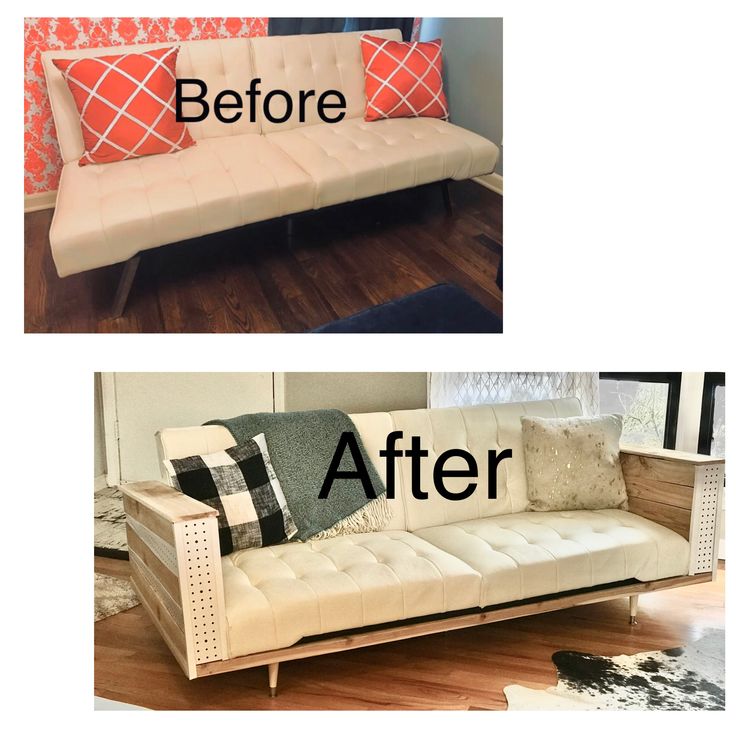


Consider using a mattress protector to keep your mattress clean and dry. This will help extend the life of your mattress and maintain its comfort. You can also use a fitted sheet to keep your mattress and topper in place. This will help prevent the mattress from shifting around and maintain its shape.
Creating a Comfortable Environment
The comfort of your futon isn't just about the futon itself. The environment you create around it can also impact your comfort. Consider adding some soft lighting, like a table lamp or string lights, to create a relaxing atmosphere. You can also use area rugs to soften the floor and add warmth to the room.
Don't forget about temperature control. Ensure your room is well-ventilated and at a comfortable temperature. You can use a fan or air conditioner in the summer and a space heater in the winter to maintain a comfortable environment.
In time, your hard futon will soften naturally as it conforms to your body. But with these tips, you can speed up this process and enjoy a comfortable futon from the start. So, go ahead, make your futon your own, and enjoy the comfort it provides. Happy futon-ing!
Related Articles

Maximize Comfort: How to Transform Your Futon into a Perfect Sitting Spot
Many people discover that a classic foldable design offers a practical solution for small spaces, yet the firm surface often leads to discomfort during...

How to Make a Futon Couch More Comfortable 10 Easy Fixes
Many people rely on a futon couch as a daily sleeping surface or a versatile living area that transitions from day to night. Over time, however, a thin...
Best Comfort Solutions What Can I Put On A Futon To Make It More Comfortable
Transforming your futon into a cozy sanctuary doesn't require a complete overhaul. With the right additions, you can significantly enhance its comfort. Let's...

How to Make Your Office Cubicle Comfortable A Cozy Guide
Spending long hours in an office cubicle should not mean sacrificing comfort or well-being, yet many professionals deal with aches, fatigue, and distraction...

Boost Your Plant Family: Propagating Pothos at Home
Are you looking to propagate your pothos plants and create a lush, green jungle in your home? Pothos, also known as Devil's Ivy, is an incredibly easy plant to...

How to Make Your Room More Grunge: The Ultimate DIY Guide
Transforming your space into a gritty, rebellious grunge room is all about embracing imperfection and raw energy instead of sterile perfection. With a few...