How to Make Your Wood Fence More Private 10 Easy DIY Tips
Homeowners often look for practical ways to make wood fence more private without sacrificing natural charm. A simple wooden fence can provide a warm, classic look, yet gaps, thin materials, and open designs may leave visibility and seclusion up to chance. By understanding how different treatments and layouts affect screening, you can transform a basic fence into a peaceful, personal sanctuary.
Enhancing privacy usually involves a mix of smarter design choices and targeted upgrades that block lines of sight while improving security. Instead of replacing the entire structure, you can focus on proven methods that maximize coverage, reduce gaps, and create a more secluded atmosphere. The goal is to keep your yard comfortable, safe, and visually pleasing without unnecessary expense or complex construction.
Strategic Fence Design Adjustments
The layout and appearance of your wood fence directly influence how private it feels, so thoughtful planning can make a significant difference. Choosing taller panels, overlapping boards, or solid styles limits sightlines from the street and neighboring yards. When the goal is to create a secluded outdoor room, even small adjustments in spacing and orientation can greatly improve comfort.


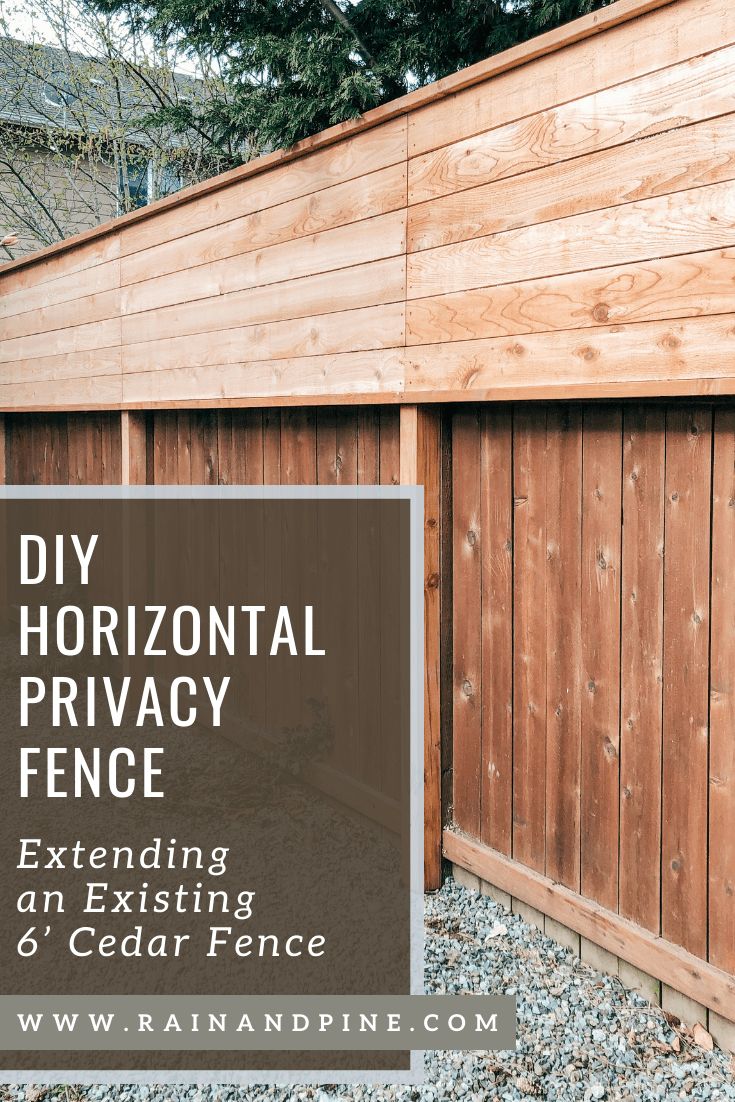
Working with the existing property lines and sun patterns helps you place fences where they are most effective at shielding key areas like patios, decks, and seating nooks. Combining thoughtful height planning with materials that resist warping ensures long-lasting privacy that performs well through changing seasons. Addressing both function and aesthetics early on saves time, money, and frustration later.
Opt for Solid or Close Board Installation
Choosing solid wood panels or closely spaced boards eliminates many of the gaps that allow views into your yard. This approach is especially effective if you want to block nosy neighbors or passersby while still enjoying the warmth of natural wood. A continuous surface creates a stronger visual barrier without adding extra structures to your fence line.


When installing solid panels, proper fastening and support are essential to prevent sagging and maintain a clean, unified look over time. You can also pair solid sections with slightly more open areas elsewhere for a balanced design that still delivers plenty of privacy where it matters most. The result is a yard that feels both calm and cohesive.
Consider Taller Heights and Extended Panels
Increasing the overall height of your fence is one of the most direct ways to make wood fence more private, especially if your current fence sits at a common 4 or 5 foot level. Taller panels, such as 6 or 7 foot styles, shield views from neighboring windows and higher vantage points. This is particularly valuable when the surrounding landscape includes open slopes or elevated paths.
Longer panels also reduce the number of vertical gaps and joints, which helps minimize lines of sight across the length of the yard. You do need to check local building codes and discuss property line considerations before increasing height, but the added seclusion is often worth the extra planning. A taller fence can also enhance security and create a stronger sense of enclosure for outdoor living spaces.


Supplementary Privacy Enhancements
Beyond structural changes, adding extra layers and features can dramatically increase the feeling of seclusion around your property. Greenery, solid accessories, and lighting all work together to soften the fence while closing off more views. These touches can be added gradually, which makes it easy to adjust the look and level of privacy over time.
Because many of these enhancements double as style elements, you can improve curb appeal while creating a more comfortable outdoor environment. The key is choosing options that work well with your climate, maintenance preferences, and the existing architecture of your home. Thoughtful layering turns a simple wooden fence into a refined, private backdrop for everyday life.
Add Climbing Vines or Trellis Panels
Installing trellis sections or choosing fence boards with built-in vine guides encourages climbing plants like ivy, clematis, or jasmine to grow upward and outward. This natural cover creates a soft, textured screen that blocks views from the street while providing seasonal interest. As the vines fill in, the fence becomes less visible and more integrated with the surrounding landscape.


To keep maintenance manageable, select plant varieties that suit your climate and avoid species that might become invasive or damage the wood over time. Regular trimming prevents excessive moisture buildup and helps preserve the fence structure. When planned well, living greenery can add both privacy and curb appeal without heavy construction costs.
Incorporate Solid Accessories and Overlays
Wooden lattice caps, privacy screens, or decorative overlays can be attached to the top or sides of an existing fence to close gaps without a full replacement. These accessories are available in styles that complement traditional and contemporary wood fences, giving you flexibility in design. They also allow you to experiment with new patterns and shapes while maintaining the integrity of the original structure.
Securing these additions properly ensures they withstand wind, rain, and temperature changes without warping or loosening. Over time, you gain an extra layer of privacy and visual interest that can be painted or stained to match your home’s exterior. By choosing durable materials and quality fasteners, you protect both the fence and the added features.
Lighting and Landscaping Strategies
Thoughtful lighting and landscape placement can further improve how secluded your yard feels, even if the fence itself has some openness. Well-placed lights near seating areas and along pathways create a welcoming atmosphere while reducing dark corners where visibility becomes an issue. Meanwhile, shrubs, planters, and fences work together to define space and soften hard edges.
Because landscaping also affects sunlight, airflow, and maintenance access, planning it in coordination with your privacy goals pays off in the long run. You can experiment with different plant heights, containers, and lighting styles until the yard matches your comfort and aesthetic preferences. The result is a balanced, private outdoor space that feels intentional and complete.
Use Strategic Lighting to Set Boundaries
Low, warm lighting along the fence line highlights your property edges and subtly reinforces the sense of enclosure. Accent lights near key features, such as a gate or focal plant, draw attention away from any visible gaps. Well-designed lighting also improves safety and enjoyment of the yard after dusk, making the space feel more private and controlled.
Solar and low-voltage LED options offer flexible installation and energy efficiency, which is helpful if you want to adjust placement over time. Dimmable or smart systems let you change the mood for different occasions, from quiet evenings to gatherings. When lighting works in harmony with your fencing choices, the overall privacy and ambiance of the yard improves noticeably.
Layer Plantings for Natural Screening
Tall shrubs, ornamental grasses, and carefully arranged trees can be planted along the fence line to add another visual layer between your yard and neighboring views. Evergreen options provide year-round coverage, while flowering varieties introduce color and seasonal texture. This living screen softens the wood fence and helps it blend naturally with the surrounding environment.
It is important to choose species that mature at an appropriate height and spread for your space, avoiding excessive pruning or interference with fences and utilities. Combining different plant types and staggered rows increases density and effectiveness over time. As these plantings grow, your fence becomes the backbone of a lush, private landscape rather than a standalone barrier.
By combining thoughtful design, strategic upgrades, and natural elements, you can make wood fence more private while keeping your outdoor space welcoming and attractive. Every small adjustment contributes to a yard that better fits your lifestyle, whether you host frequently, work from home, or simply value quiet time outdoors. As your needs evolve, you can refine the layout, add new features, and adjust plantings to maintain both beauty and seclusion for years to come.
Related Articles

Boost Backyard Privacy: How to Make Your Fence More Private
Ever felt like your backyard could use a little more privacy? You're not alone. A well-designed backyard fence can enhance your outdoor space's appeal, provide...
Transform Your Fence: Expert Tips On How To Make A Wooden Fence Look Better
Your wooden fence serves as the first line of defense for your yard and a major curb appeal feature, so keeping it in great shape is essential. Over time...

How to Make a Metal Fence More Private: 10 Creative Ideas
Many homeowners choose a metal fence for durability and style, but the open grid and shiny surfaces often leave little to no sense of privacy. If you live on a...

Transform Your Space: 10 Easy Steps to Make Your Room More Aesthetic
Transforming your room into a visually appealing sanctuary doesn't require a complete overhaul or a hefty budget. With a few strategic changes, you can create...

How to Soundproof Your Room: Easy Fixes for Quieter Space
Living in a noisy environment can make your personal space feel less like a sanctuary and more like an extension of the busy street outside. If you are trying...

Boost Your Backyard: 10 Creative Ways to Make Your Fence More Interesting
Ever found yourself staring at your fence, wishing it was a little more... interesting? You're not alone. While fences serve their practical purpose, they can...