Maximize Meals: Budget-Friendly Food Pantry Organization
Organizing a food pantry can seem like a daunting task, especially when you're working with a tight budget. However, with a bit of planning and creativity, you can create an efficient and well-organized space that makes the most of your resources. Let's dive into some practical tips to help you achieve this.
Before we start, remember that the key to organizing on a budget is to maximize what you already have. This means repurposing items, using free or low-cost resources, and focusing on functionality and accessibility rather than aesthetics.
Assessing Your Space and Inventory
Start by evaluating the space you have for your food pantry. It could be a dedicated room, a closet, or even a cabinet. Measure the dimensions and make a note of any shelves, hooks, or other features that can be utilized.


Next, take stock of your inventory. Remove everything from the space and sort items into categories like canned goods, dry goods, refrigerated items, and so on. This will give you a clear picture of what you're working with and help you identify any duplicates or expired items that can be removed.
Decluttering and Repurposing
Decluttering is a crucial step in organizing any space. Start by removing any items that are expired, damaged, or no longer needed. Be honest with yourself about what you use and what you don't. Remember, the goal is to create a functional space, not a storage unit.


Once you've decluttered, look for items that can be repurposed. Old jars can be used to store dry goods, empty egg cartons can organize small items, and plastic containers can be used to group like items together. This not only helps to organize your space but also reduces waste.
Maximizing Vertical Space
In a small space, every inch counts. Make use of vertical space by installing shelves, hooks, or racks. You can find affordable options at dollar stores, thrift shops, or even make your own using repurposed materials. Just ensure they're sturdy and safe to use.
Use the highest shelves for items that you don't use often and the lowest shelves for everyday items. This will make your pantry more accessible and user-friendly. You can also use stackable containers to maximize shelf space.


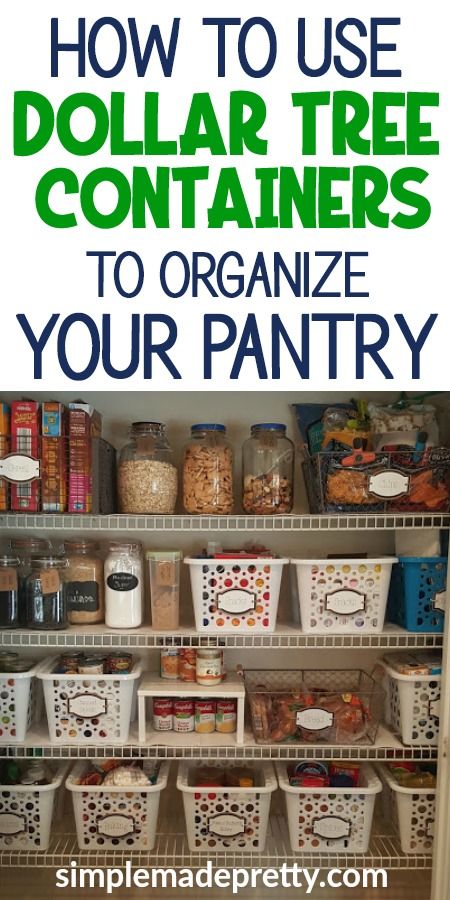


Categorizing and Labeling
Categorizing your food items makes it easier to find what you need and helps to keep your pantry organized over time. Use clear, airtight containers to group like items together and keep them fresh. You can find these at dollar stores or online marketplaces.
Labeling your containers not only helps you to quickly identify what's inside but also makes your pantry look more organized and professional. You can use a label maker, print labels from your computer, or even write on the containers with a permanent marker.
Rotating Stock and FIFO Method
The FIFO (First In, First Out) method is a simple way to ensure that you're using your oldest items first. This helps to reduce waste and ensures that you're making the most of your food. When you bring new items into your pantry, place them at the back of the shelf and move the older items to the front.


You can also use a system of rotation. For example, you might have a 'current' shelf where you keep the items you're currently using, and a 'backup' shelf where you store extra supplies. When you run out of an item, you simply move it from the backup shelf to the current shelf.
Regular Maintenance
Organizing your food pantry is not a one-time task. Regular maintenance is key to keeping it organized over time. Set aside a few minutes each week to tidy up, rotate stock, and restock any items you've used.
You can also use this time to check for any expired or damaged items and add them to your grocery list. This not only helps to keep your pantry organized but also ensures that you're using your food efficiently and reducing waste.
By following these tips, you can create a functional, well-organized food pantry that works for you and your budget. So, what are you waiting for? Get started today and enjoy the satisfaction of a job well done!
Related Articles

Maximize Small House Organization Large Family Tips Storage Solutions
Organizing a small house with a large family can seem like a daunting task, but with the right strategies and a bit of creativity, you can create a harmonious...

Maximize Minimal Space: Budget-Friendly Very Small Closet Ideas
Maximizing storage in a tiny closet can feel like an insurmountable challenge, especially when you're working with a limited budget. But fear not, for we've...

Maximize Small Kitchen Cabinets: No Pantry? No Problem!
Maximizing space in a small kitchen without a pantry can be a challenge, but with the right organization and clever use of cabinet space, you can create a...

Pantry Can Storage Ideas 101 Maximize Space With Smart Organization Solutions
Transforming your pantry into an organized, functional space can be a daunting task, but with the right storage ideas, it can become a breeze. A well-planned...

Simple Picnic Food Ideas For Family On A Budget Easy And Delicious Meals
Picnics are a beloved family tradition that bring us closer, create lasting memories, and don't have to break the bank. With a little creativity and planning...

Maximize Small Spaces: Budget-Friendly Modern Interior Design Ideas
Embracing a modern interior design in a small home on a budget might seem like a daunting task, but with the right strategies, you can create a stylish and...