Budget-Friendly Pantry Organization: A Step-by-Step Guide
Organizing a pantry on a budget might seem like a daunting task, but with the right strategies and a little creativity, you can transform your pantry into a space that's both functional and frugal. Let's dive into some practical tips that won't break the bank.
Before you start, clear out your pantry and wipe down the shelves. This will give you a clean slate to work with and help you assess what you have. Now, let's get started with our budget-friendly pantry organization guide.
Assess and Declutter
Start by taking inventory of your pantry items. Group similar items together and discard any expired or unused products. This will not only help you see what you have but also create space for a more organized pantry.


Consider donating unopened, non-perishable items to a local food bank. This will help reduce waste and support your community. Plus, it's a great way to start your pantry organization journey with a clean conscience.
Categorize and Group
Once you've decluttered, it's time to categorize your items. Group similar items together, such as canned goods, pasta, grains, baking supplies, snacks, and condiments. This will make it easier to find what you need and keep your pantry tidy.


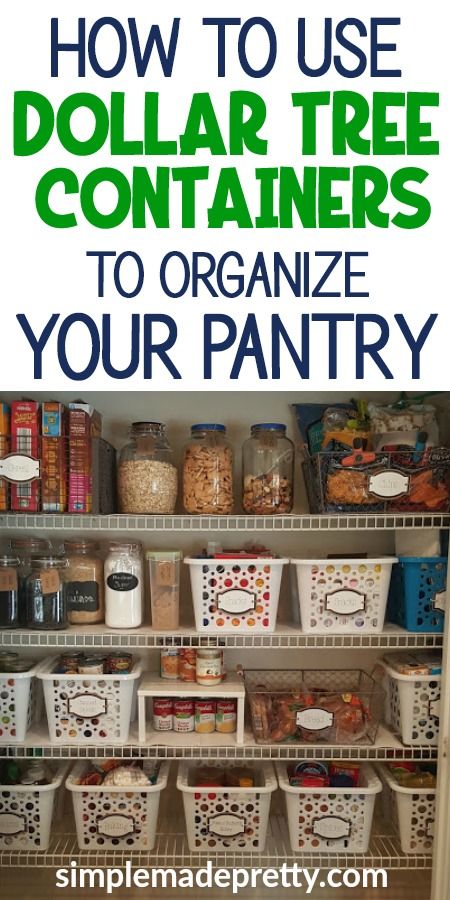
Use clear, stackable bins to group items together. Not only does this make it easier to see what you have, but it also keeps like items together and prevents them from getting lost in the back of the pantry. You can find affordable bins at dollar stores or online retailers.
Maximize Vertical Space
Make the most of your pantry's vertical space by using shelves and risers. Install adjustable shelves to accommodate different-sized items and maximize storage. If your pantry has deep shelves, use risers to create additional tiers for smaller items.
Over-the-door organizers and wall-mounted racks can also help you make the most of your pantry's vertical space. These are especially useful for storing spices, baking sheets, and other flat items that would otherwise take up valuable shelf space.




Label and Rotate
Labeling your pantry items will not only help you keep track of what you have but also make it easier to find what you need. Use a label maker or print out labels on your computer to create professional-looking tags. You can also use chalkboard labels or paint and stencils for a more DIY approach.
Implement a first-in, first-out (FIFO) system to ensure that older items are used first. Place new items at the back of the shelf and older items in front. This will help you reduce waste and ensure that nothing gets lost in the back of the pantry.
Use Dividers and Turntables
Dividers and turntables are essential tools for keeping your pantry organized. Use dividers to separate categories and keep items from toppling over. Turntables, or lazy Susans, make it easy to access items in the back of the pantry and keep everything within reach.


You can find affordable dividers and turntables at dollar stores, online retailers, or even repurpose items you have around the house. For example, an old wine rack can make a great divider for canned goods.
Store Bulk Items Wisely
If you buy in bulk, it's essential to store your items properly to prevent spoilage and waste. Transfer bulk items to airtight containers or bags to keep them fresh. You can also use vacuum-sealed bags to remove excess air and extend the shelf life of your food.
Consider using a food saver to create custom-sized portions of your bulk items. This will not only help you save money but also make it easier to grab what you need for a recipe without having to open a large bag or box.
With these budget-friendly tips, you can transform your pantry into a well-organized, functional space that will save you time and money in the long run. So, grab your supplies and get started on your pantry organization journey today. Happy organizing!
Related Articles

Mastering Folder Organization: The Ultimate Guide to File Management
In the digital age, file organization has become a critical aspect of productivity and efficiency. With the vast amount of data we create and store, it's...

Mastering Home Medical Supply Organization: A Comprehensive Guide
Organizing medical supplies at home creates a sense of calm and ensures you are ready for everyday needs and unexpected situations. A well arranged medicine...

Ultimate DIY Corner Pantry Build Guide Maximize Space and Organization
Transforming a neglected corner into a functional and stylish pantry is not only possible but also an incredibly rewarding DIY project. A corner pantry build...

Organize Your Closet: The Ultimate Guide to Pants Drawer Organization
The humble pants drawer, often overlooked in the grand scheme of home organization, deserves more attention than it typically receives. After all, it's the...

Mastering Color Organization: A Comprehensive Guide
Organizing colors can be a daunting task, especially when you have a plethora of hues and shades at your disposal. However, with the right approach, you can...

The Ultimate Guide To Organizing Your Pantry: Easy, Space Saving Hacks
Transforming a chaotic pantry into a well-organized space can significantly streamline your kitchen routine. A well-structured pantry not only saves time but...