Mastering Metal: Step-by-Step Guide to Painting Stair Railings
Transforming a worn metal stair railing into a sleek design centerpiece is one of the most rewarding ways to refresh your home. Many homeowners assume that metal, with its tendency to rust and show fingerprints, is difficult to work with, but the reality is that a fresh coat of paint can provide both protection and beauty. With the right preparation and technique, you can achieve a professional finish that withstands heavy use and the elements. This guide walks you through the essential steps for painting metal stair railing, ensuring long-lasting curb appeal and safety.
Whether your railing is steel, aluminum, or wrought iron, the process begins with acknowledging the surface challenges you face. Metal railings often accumulate dust, grease, and oxidation, which can cause paint to peel if not properly addressed. By following a systematic approach, you can turn a dull, tired look into a vibrant statement that enhances your entire staircase. Understanding the unique properties of metal is the first step toward a durable and attractive result.
Preparing the Surface for Success
The single most important factor in a successful paint job is thorough surface preparation. Skipping this phase will lead to peeling and chipping, no matter how high-quality your paint is. You need to create a clean, dry, and slightly rough texture for the paint to bond tightly to the metal. This initial effort determines the longevity and appearance of your finished project.


Begin by clearing the area around the staircase to ensure you have ample space to work safely. Lay down drop cloths to protect the floor from paint drips and chemical cleaners. For safety, consider turning off any power sources if you are using electric tools nearby. Taking these precautions prevents accidents and keeps your workspace organized throughout the project.
Cleaning and Degreasing
Start by washing the railing with a mixture of warm water and a strong detergent to remove surface dirt, dust, and oils. Use a stiff brush to scrub the metal thoroughly, paying close attention to areas where hands frequently grip. Rinse the surface completely with clean water and allow it to dry fully before moving to the next step.


For metal that has accumulated a layer of factory oil or heavy grime, a dedicated degreaser is essential. Apply the product according to the manufacturer's instructions, wearing gloves to protect your skin. Wipe down the railing with a clean cloth to ensure all residues are gone, as leftover degreaser can interfere with paint adhesion.
Removing Rust and Old Flake
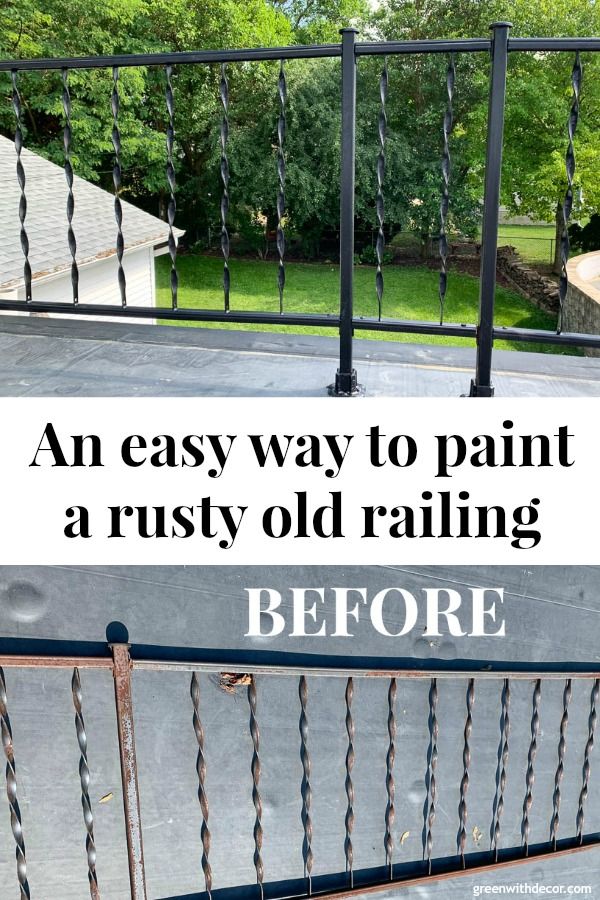
If your railing shows signs of rust, you must address these spots before painting. Use a wire brush or a sanding block to gently rub away the flaky orange corrosion until you expose bare metal. For stubborn rust, a rust converter can neutralize the compound and create a stable surface for painting.
Sanding is the most effective way to smooth out imperfections and remove old peeling paint. Use medium-grit sandpaper to scuff the entire surface, which helps the new paint grip better. Be sure to wipe away the dust with a tack cloth or a damp rag to ensure the metal is completely clean for priming.


Choosing and Applying the Right Products
Selecting the correct paint and primer is vital for durability, especially for high-traffic areas like stair railings. Standard wall paint is not suitable for metal; you need formulations specifically designed to adhere to and flex with metal substrates. The right products will resist chipping, fading, and rusting, keeping your hard work looking fresh for years.
Primer acts as the foundation of your project, bridging the gap between the metal and the paint. A high-quality bonding primer creates a uniform surface and prevents the metallic substrate from bleeding through. Choosing a paint color requires consideration of your home's existing palette to ensure the railing looks intentional and cohesive.
Priming the Metal
Apply the primer using a foam roller for large, flat sections and a high-quality angled brush for corners and decorative details. Work in moderate temperatures, as cold weather can slow drying time and cause dripping. Avoid applying the primer too thickly, as this can lead to an uneven finish once the color is added.


Allow the primer to cure completely according to the label directions before touching or repainting the surface. Test a small spot by pressing your fingernail lightly into the primer; it should feel hard and dry, not soft or tacky. Proper curing ensures the paint bonds securely and maintains a smooth texture.
Painting Techniques for a Smooth Finish
When you are ready to paint, thin your chosen paint slightly with the recommended solvent to improve flow and reduce brush marks. Use a synthetic brush for water-based paints or a natural bristle brush for oil-based products, applying light, even coats. Rollers can speed up the process on straight sections, but always use a brush to carefully edge around the handrail and posts.
Maintain a wet edge by working in small sections and overlapping your strokes to prevent visible lines. Multiple thin coats are superior to one heavy coat, as they minimize drips and ensure consistent color. Patience during this stage results in a smooth, professional-looking finish that feels as good as it looks.
Ensuring Longevity and Safety
Once the final coat of paint has dried, the project is not quite finished. Protective topcoats are essential for high-traffic areas, as they shield the underlying paint from scratches, moisture, and UV exposure. This extra layer significantly extends the life of your work and reduces the need for frequent touch-ups.
Inspect the railing for any missed spots or thin areas once the paint is fully cured. Touch up these locations carefully to maintain a uniform appearance. Keeping the surface clean with regular washing will prevent the buildup of dirt that can degrade the paint over time.
Weatherproofing and Maintenance
If your railing is exposed to harsh weather, consider applying a clear polyurethane coating for added defense. This step is particularly important for outdoor metal railings that face constant rain, sun, and temperature fluctuations. The coating acts as a barrier, preserving the color and preventing new rust from forming.
Establish a maintenance routine by checking for chips or scratches annually. Addressing minor damage immediately prevents moisture from reaching the bare metal and causing widespread rust. With simple upkeep, your painted railing will remain a beautiful and safe feature of your home.
Safety Considerations During Use
While the paint dries, it can be slippery to the touch, so ensure that no one uses the staircase until the product is completely cured. Place visible signs or barriers to alert family members and guests. This simple action prevents accidents and protects your investment while the finish sets properly.
Be mindful of ventilation when working with oil-based primers and paints, as they can emit strong odors. Open windows and use fans to circulate air, or consider wearing a respirator mask if you are sensitive to fumes. Prioritizing safety ensures a healthier environment during and after the project.
Taking the time to paint your metal stair railing correctly transforms a utilitarian object into a beautiful design element that enhances your entire home. The process rewards careful preparation with a finish that looks great and stands up to daily wear. By selecting quality products and applying them patiently, you create a surface that remains vibrant and protective for a long time. Revisiting this project in the future with a fresh coat of color allows you to update your space with minimal effort and maximum impact.
Related Articles

Mastering PVC Baseboard Trim: A Step-by-Step Painting Guide
Transforming the look of your home with a fresh coat of paint is an exciting task, and it's not just limited to walls and ceilings. PVC baseboard trim, often...

Mastering Stencils: A Step-by-Step Guide to Painting with Ease
Using stencils to paint is a straightforward and rewarding way to bring consistent shapes and intricate patterns to walls, fabric, paper, or wood. This...

Paint Stair Spindles White: A Step-by-Step Guide
Transforming your home's staircase into a sleek, inviting space often starts with the humble stair spindle. Painting these often-overlooked components white...

How to Paint a Metal Crib: A Step-by-Step Guide
Learning how to paint a metal crib is one of the most rewarding DIY projects for parents who want to refresh a hand-me-down or customize a new nursery...

How to Remove Stair Railing and Balusters: Step-by-Step Guide
Embarking on a home improvement project can be an exciting journey, and removing stair railing and balusters can be a significant step towards transforming...

Mastering Stencil Art: The Ultimate Guide to Painting Stencils Like a Pro
Embarking on a DIY painting project with stencils can be an exciting and rewarding experience, transforming your space into a vibrant, personalized haven...