How to Plan a Backyard Vegetable Garden: The Ultimate Step-by-Step Guide
Transforming your backyard into a thriving vegetable garden can be a rewarding experience, providing you with fresh, organic produce while enhancing your outdoor space. With careful planning, you can create a sustainable and productive garden tailored to your needs. Let's delve into the essential steps to help you plan your backyard vegetable garden.
Before you start digging, consider the layout, sunlight, and soil conditions of your backyard. Understanding these factors will help you choose the right vegetables and ensure their optimal growth. Let's break down the planning process into manageable steps.
Assessing Your Backyard's Conditions
Begin by evaluating your backyard's sunlight exposure. Most vegetables require at least 6-8 hours of sunlight daily. Observe your backyard throughout the day to determine the sunniest spots and any shaded areas. This information will guide your plant selection and garden layout.


Next, test your soil's pH and nutrient levels. Most vegetables prefer slightly acidic to neutral soil (pH 6.0-7.0). A simple home test kit or a soil sample sent to a local cooperative extension service can provide this information. Based on the results, you may need to amend your soil with compost, manure, or other organic matter to improve its fertility and structure.
Choosing the Right Vegetables
Select vegetables that thrive in your climate and suit your family's preferences. Consider factors like growth time, space requirements, and companion planting. For example, leafy greens like lettuce and spinach grow quickly and can be planted in partial shade, while tomatoes and peppers require full sun and ample space.


Create a garden plan based on your chosen vegetables, considering their size at maturity and any specific growing requirements. Use graph paper or online garden planning tools to sketch out your design, ensuring proper spacing and rotation of crops to maintain soil health and prevent pests and diseases.
Designing Your Garden Layout
Consider using raised beds, containers, or traditional in-ground planting methods, depending on your backyard's soil quality and space constraints. Raised beds and containers offer better control over soil conditions and can help prevent pests and diseases. They also make it easier to manage your garden, as you can move them around to optimize sunlight exposure.
Group plants based on their water and sunlight needs, as well as their growth habits. For instance, place shallow-rooted, moisture-loving plants like lettuce and radishes near each other, while deeper-rooted, drought-tolerant plants like carrots and beets can be grouped together. This approach promotes efficient watering and minimizes competition for resources.


Preparing Your Garden for Planting
Once you've finalized your garden plan, it's time to prepare your backyard for planting. If you're using in-ground beds, clear the area of weeds and debris, then loosen the soil to a depth of at least 12 inches using a shovel or rototiller. Incorporate organic matter like compost or well-rotted manure to improve soil structure and fertility.
For raised beds or containers, fill them with a mix of high-quality topsoil, compost, and potting soil. Ensure the mix drains well to prevent waterlogging, which can harm your plants' roots. Allow the soil to settle for a few days before planting to avoid creating air pockets that could hinder plant growth.
Installing Irrigation and Supports
Install a simple irrigation system, such as drip lines or soaker hoses, to ensure consistent watering throughout your garden. This will help maintain optimal soil moisture and prevent water waste. Group plants with similar water needs together to make irrigation more efficient.

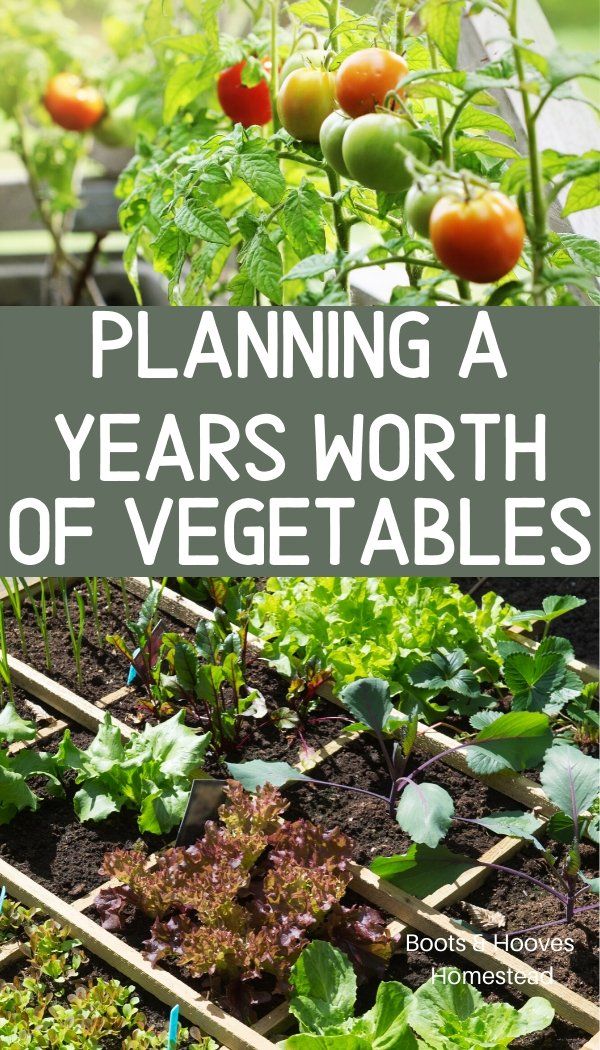


Provide support for plants that require it, such as tomatoes, cucumbers, and peas. Install cages, stakes, or trellises before planting to give your plants something to grow on as they mature. This will help prevent damage to the plants and make harvesting easier.
Planting and Maintaining Your Garden
Follow your garden plan, planting seeds or seedlings at the recommended depths and spacings. Keep in mind that some plants, like beans and peas, should be succession planted every few weeks to ensure a continuous harvest throughout the growing season.
Maintain your garden by keeping weeds at bay, providing adequate water, and applying organic fertilizers as needed. Monitor your plants for pests and diseases, addressing any issues promptly to prevent them from spreading. Regularly harvest ripe produce to encourage further production and maintain plant health.
As your backyard vegetable garden grows and thrives, you'll reap the rewards of your careful planning and hard work. Enjoy the fresh, homegrown produce and the satisfaction of knowing you've created a sustainable, eco-friendly oasis in your backyard. Happy gardening!
Related Articles

How to Make a Vegetable Garden in Backyard: Easy Step-by-Step Guide
Creating a vegetable garden in your backyard is one of the most rewarding ways to connect with nature and enjoy fresher, healthier meals. This simple guide...

How to Build a Raised Vegetable Garden Box: Step-by-Step Guide
Building a raised vegetable garden box is one of the most rewarding projects for any home cook or aspiring gardener, transforming a small backyard corner into...

How to Make a Vegetable Garden at Home for Beginners: Easy Step-by-Step Guide
Embarking on your first vegetable gardening journey can be an exciting and rewarding experience. Growing your own produce at home not only ensures fresh...
The Ultimate Backyard Garden Layout Plan for a Thriving Oasis
Transforming your backyard into a lush, inviting garden is an exciting endeavor that starts with a well-thought-out layout plan. A well-designed garden not...

How to Make a Small Vegetable Garden at Home: Easy Step-by-Step Guide
Starting a small vegetable garden at home is one of the most rewarding projects you can undertake, transforming a tiny balcony, patio, or backyard into a...

DIY Indoor Vegetable Garden System: The Ultimate Guide to Growing Fresh Produce at Home
Transform your living space into a lush, green oasis with a DIY indoor vegetable garden system. This sustainable and rewarding hobby not only provides fresh...