How to Reupholster a Futon: Step-by-Step Guide Easy
Transforming an old, worn-out futon into a fresh, inviting piece of furniture is not only rewarding but also cost-effective. Reupholstering a futon can extend its life and give your space a new look. Here's a comprehensive guide on how to reupholster a futon, ensuring a professional finish that you'll be proud to display.
Before you begin, gather your materials and tools. You'll need new fabric, scissors, staple gun, staple remover, pliers, screwdriver, measuring tape, and a pencil. For a perfect fit, choose a fabric that's easy to work with, such as cotton or linen. Patterned fabrics can hide minor imperfections, while solid colors require precise cutting.
Preparation and Disassembly
The first step is to prepare your futon for reupholstering. This involves removing the old fabric and any hardware that might get in your way.


Start by removing the cushions and any detachable parts. Use a screwdriver to remove screws, and keep them organized in a safe place. With the futon frame exposed, use a staple remover or pliers to remove the old staples. Be careful not to damage the frame.
Measuring and Cutting the Fabric
Accurate measurements are crucial for a well-fitted reupholster job. Measure each piece of the futon, including the cushions, backrest, and base. Add a few inches to each measurement to account for overlap and error.


Lay out your new fabric and cut the pieces according to your measurements. Remember to cut along the fabric's grain for better drape and longevity. For patterned fabrics, ensure you match the pattern at the seams.
Reupholstering the Base
Begin with the base of the futon. Lay the fabric right side down, place the base on top, and wrap the fabric around it. Pull the fabric taut and staple it in place, using plenty of staples for a secure hold. Trim any excess fabric.
For a more polished look, you can create a tufted effect by pulling the fabric through the base and securing it with a button or knot on the underside. This adds a decorative touch and helps keep the fabric in place.


Reupholstering the Backrest and Cushions
Reupholstering the backrest and cushions follows a similar process, but with some additional steps for a professional finish.
For the backrest, create a pocket for the support bar by folding the fabric over and stapling it in place. This ensures the bar stays in position and the fabric doesn't bunch up. Then, staple the fabric to the backrest, pulling it taut and trimming any excess.
Reupholstering the Cushions
To reupholster the cushions, first, cut out the old fabric and remove any batting or foam. Measure and cut new fabric, adding a few inches for overlap. Wrap the fabric around the cushion, pulling it taut and stapling it in place. For a plump, inviting look, add new batting or foam before reupholstering.


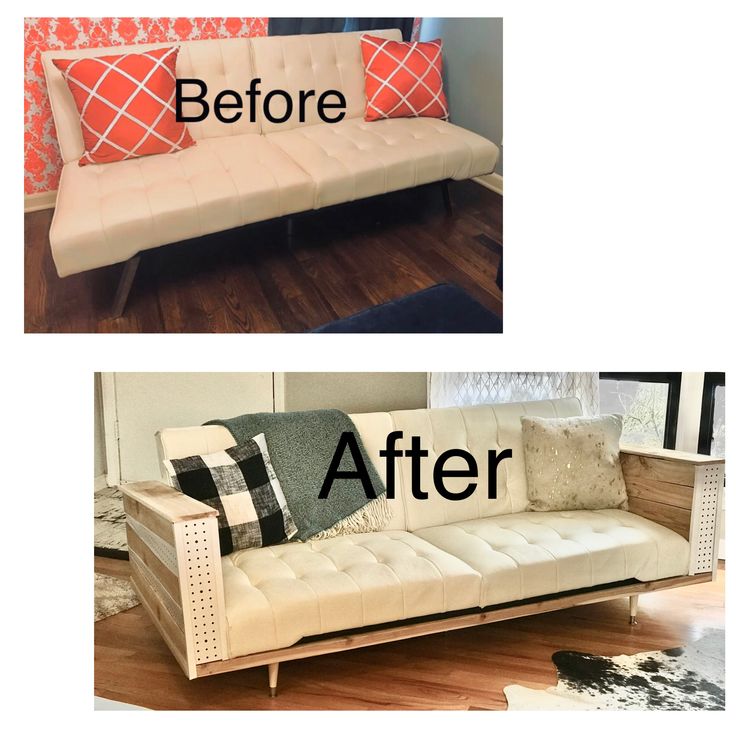


For a more tailored look, you can create pleats or tucks in the fabric. This involves folding the fabric and stapling it in place, creating a decorative detail that adds visual interest.
Finishing Touches
Once you've reupholstered all the pieces, it's time to reassemble your futon. Use the original screws to secure the backrest to the base. If necessary, drill new holes for a snug fit.
Finally, replace the cushions and admire your handiwork. Your once-worn-out futon is now a stylish, comfortable addition to your home.
Reupholstering a futon is a satisfying DIY project that saves you money and lets you customize your furniture to your taste. With a little patience and attention to detail, you can transform an old futon into a beautiful, inviting piece that you'll love for years to come. Happy reupholstering!
Related Articles

How to Fold a Futon Bed Into a Couch: Easy Step-by-Step Guide
Transforming your futon bed into a comfortable couch is a breeze with just a few simple steps. This versatile piece of furniture offers the best of both worlds...

How to Change Futon from Couch to Bed: Easy Step-by-Step Guide
Transforming your futon from a couch into a bed is a versatile and space-saving solution for small homes or apartments. This guide will walk you through the...

How to Cut a Short Haircut Female: Easy Step-by-Step Guide
Embracing a short haircut can be a liberating and empowering decision for women, offering low-maintenance style and a chance to showcase their features. But...

Easy Painted Rock Ideas: Step-by-Step Guide
Painted rock ideas easy step by step projects are a fantastic way to bring a burst of color and personality into your outdoor space without needing advanced...

How to Paint a Simple Palm Tree: Easy Step-by-Step Guide
Ever dreamed of adding a touch of tropical paradise to your home decor? Painting a simple palm tree can be a fun and rewarding DIY project that brings a bit of...

How to Install Floating Shelves Without Drilling: Easy Step-by-Step Guide
Learning how to install floating shelves without drilling is a smart solution for renters, renters in strict buildings, or anyone who wants a stylish update...