How to Store Sweaters to Save Space: Ultimate Folding Guide
Storing sweaters the right way can transform a chaotic closet into a calm, efficient space that makes getting dressed in the morning feel effortless.
Many people do not realize that how they handle knitted fabrics directly impacts the longevity of their favorite pieces and the amount of room they have in their storage areas.
Mastering the Fold and Stack Method
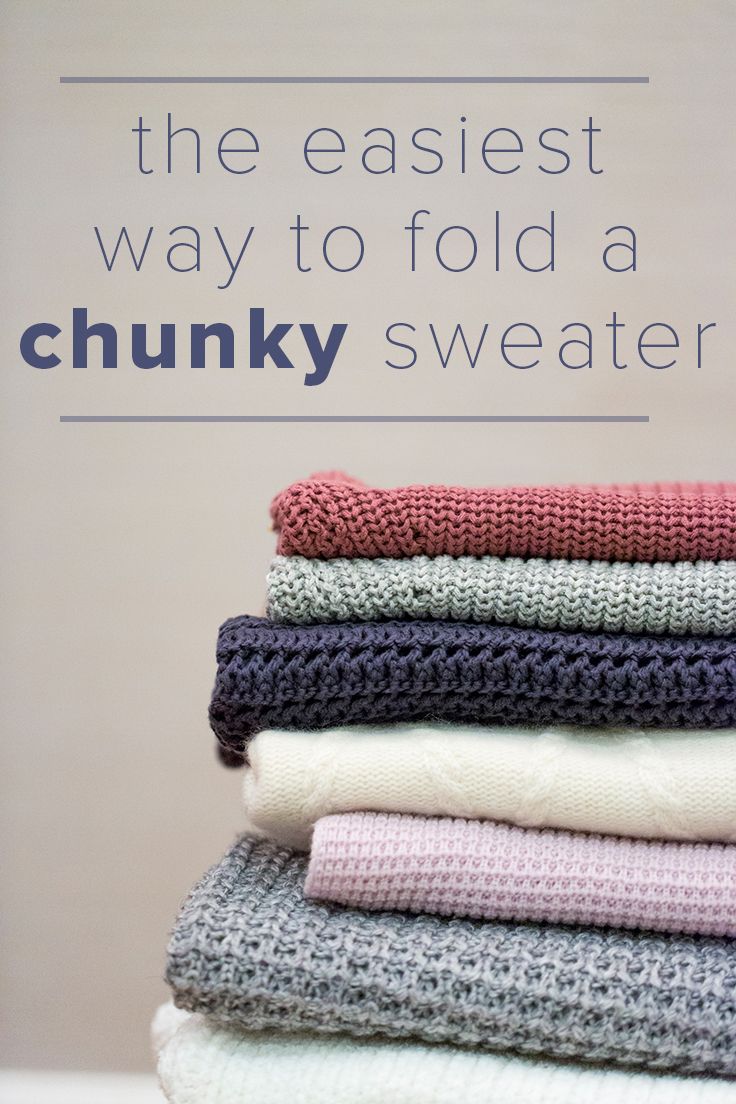
The fold and stack method remains one of the most practical ways to organize knitwear, especially for everyday pieces you reach for frequently.


By laying each sweater flat and folding it vertically rather than horizontally, you create a stable column that stands upright and does not topple over easily.
Utilize Vertical File Organization
Treating your shelves like a vertical file system allows you to see every sweater at a glance without disturbing the rest of the stack.


Stand each folded piece on its side so the edges face forward, creating a neat row that maximizes visibility and saves you from digging through the pile.
Implement Size Gradients
Organizing your stack from the heaviest, thickest knits at the bottom to the lightest, thin ones at the top helps maintain stability.
This gradient prevents heavier sweaters from crushing delicate fabrics and makes it easier to grab what you need without disrupting the entire arrangement.


Embracing the Space Saving Hanging Trick
For guests or special occasion sweaters made of delicate materials, hanging is a great option, but it must be done correctly to preserve the shape.
Using wide, non-slip hangers distributes the weight evenly across the shoulders and prevents ugly stretch marks from forming along the hem.
Double Hanger Strategy for Closet Bar Rows
Sliding two hangers together back to back creates a narrow but sturdy support that keeps shoulder seams perfectly aligned.




This technique is especially useful for structured blazers or wool coats, allowing you to pack more into the same rod space without crushing the fabric.
Strategic Hanging Zones Within Reach
Reserve the prime eye-level area of your closet for pieces you wear most often, while using higher and lower sections for off-season storage.
By matching visibility to frequency of use, you minimize the need to move hangers around and protect your most cherished knits from unnecessary handling.
Maximizing Under Bed and Drawer Real Estate
Rolling or folding sweaters for under bed storage unlocks otherwise wasted space and keeps seasonal items close but out of the main living area.
Clear plastic bins with breathable lids work well here, allowing you to label and stack containers while still protecting the fibers from dust and moisture.
Drawer Dividers for Small Knit Pieces
Using adjustable drawer dividers or even repurposed cardboard boxes turns a jumbled sock and sweater graveyard into an organized system.
This method is ideal for rolled pieces, ensuring that every layer is accessible and that you do not have to empty the entire drawer every time you need one item.
Vacuum Seal Bags with Caution
Vacuum seal bags can dramatically reduce volume, but they are best reserved for thick, sturdy fabrics like puffer jackets or heavy wool coats.
Because the process removes air, avoid using it for delicate natural fibers that may lose their loft, and remember to store bags in a cool, dry place away from direct sunlight.
Creating a Sustainable Long Term System
The most effective storage strategy is the one you can maintain over time without constant rearranging or decluttering sessions.
By combining a few smart techniques, such as vertical stacking for daily wear and vacuum storage for seasonal pieces, you create a routine that simply becomes part of caring for your wardrobe.
Experimenting with these approaches helps you discover what fits your space, your collection, and your lifestyle, turning sweater care into a seamless habit rather than a seasonal chore.
Related Articles

The Ultimate Guide to Storing Kayaks Vertically in Your Garage Save Space Now
Storing kayaks in a garage vertically is a smart way to protect your watercraft while maximizing valuable floor space in your storage area. Many paddlers and...

The Ultimate Guide to Store Jeans and Shorts Save Space
Jeans and shorts are wardrobe staples that deserve proper care and storage to maintain their quality and longevity. With the right techniques, you can keep...

The Ultimate Guide to Folding Polo shirts for Travel Save Space
Packing polo shirts for travel can feel like a small puzzle, but with the right method you can avoid wrinkles and save precious space in your suitcase. This...

The Ultimate Guide to Folding Suits in a Suitcase: Save Space and Prevent Wrinkles
Packing a suit for travel without turning it into a wrinkled mess is a skill that separates the seasoned traveler from the frustrated newcomer. The fear of...

The Ultimate Guide to Folding Dress Pants to Save Space Efficiently
Learning how to fold dress pants properly is one of the simplest ways to keep your wardrobe looking sharp and save valuable space in your closet or drawers...

The Ultimate Guide to Storing Kayaks Vertically in Garage: Save Space Safely
Storing kayaks vertically in your garage is an excellent way to reclaim valuable floor space and keep your favorite watercraft ready for the next adventure...