How to Warm Tile Floors: Cozy Comfort Underfoot
Walking across a cool tile floor on a winter morning can feel unpleasant, which makes learning how to warm tile floors a practical goal for many homeowners.
Tile is an excellent material for durability and style, but it naturally conducts heat away from your feet, so understanding effective warming strategies is key to maintaining comfort without sacrificing design.
Understanding Heat Transfer in Tile
To warm tile floors effectively, it is essential to understand why tile feels so cold compared to other surfaces in your home.


Tile has high thermal conductivity, meaning it pulls heat away from your skin very quickly, creating the sensation of cold even if the air temperature feels mild.
Conduction and the Role of Subfloor
Heat moves from your warm feet into the tile, and then directly into the cooler subfloor below, which acts like a heat sink that draws energy away from the surface.


Insufficient insulation under the tiles allows this continuous flow of heat downward, making the floor feel persistently chilly regardless of the room's air temperature.
The Impact of Thermal Mass
Tile has high thermal mass, which means it absorbs and stores a significant amount of coolness overnight or when heating is reduced.
This stored coolness delays the feeling of warmth underfoot, so even after the heating system kicks on, the tile remains cold for a period until it is re-warmed by active heating methods.



Passive Warming Strategies
Passive methods involve using natural heat and simple habits to keep tile at a more comfortable temperature without relying solely on high-energy systems.
These approaches are often the first step for anyone learning how to warm tile floors in a cost-effective and sustainable manner.
Maximizing Sunlight Exposure
Opening curtains and blinds during the day allows sunlight to stream in, which naturally heats the tile surface through direct solar gain.


Positioning dark colored rugs or furniture to cover tile areas can also help, as these objects absorb heat and slowly release it, creating a warmer walking zone.
Area Rugs and Strategic Placement
Placing thick area rugs over tile floors adds an insulating layer that traps heat and reduces the direct contact between skin and the cold surface.
Using rugs with non slip backing ensures safety while enhancing comfort, especially in high traffic areas like hallways or in front of key appliances like sinks and stoves.
Active Heating Solutions
When passive strategies are not enough, active heating solutions provide a direct way to warm tile floors and maintain consistent comfort.
These systems work by heating the tile or the space around it, ensuring that the thermal mass works in your favor rather than against you.
Hydronic Radiant Floor Heating
Hydronic systems circulate warm water through pipes installed beneath the tile, heating the mass from below and creating an even, comfortable warmth across the entire surface.
This method is highly efficient for tile because it uses the thermal mass of the stone to store and slowly radiate heat, reducing temperature swings and cold spots.
Electric Resistance Heating Mats
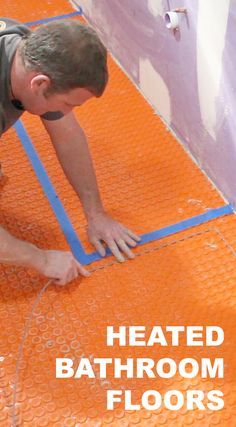
Electric heating mats are installed under the tile and use electrical resistance to generate heat directly in the substrate, which then warms the tile surface above.
They are often easier to install in retrofit scenarios and allow for precise temperature control in specific rooms like bathrooms and kitchens where quick warming is most desired.
Smart Climate Control and Maintenance
Effective temperature management also depends on how well the overall heating system works in conjunction with the tile surfaces in your home.
Learning how to warm tile floors involves balancing ambient air temperature with floor specific strategies for the best results.
Setting Consistent Thermostat Temperatures
Keeping a steady, moderate temperature on the thermostat helps maintain a baseline level of heat in the subfloor, which reduces the intensity of the cold feeling underfoot.
Avoiding drastic temperature swings prevents the tile from losing its stored warmth too rapidly, making it easier to maintain a consistently comfortable environment.
Managing Humidity and Air Circulation
High humidity can make a cool floor feel even colder, so using dehumidifiers in damp rooms like basements or bathrooms can improve comfort perception.
Ensuring that furniture and rugs are not blocking baseboard heaters or vents allows warm air to circulate freely, helping to reduce the temperature gradient between the floor and the room air.
Experimenting with a combination of insulation, rugs, thermostat settings, and targeted heating gives you a versatile toolkit for tackling the challenge of cold tile.
As you refine your approach, observe how each adjustment affects the feel of the floor and the overall atmosphere of the room, and let that feedback guide your decisions.
Over time, you will discover the balance that keeps your space both stylish and inviting year round.
Related Articles

Warm Beige Floor Tile: Cozy Comfort Underfoot
Warm beige floor tile brings a soft, grounded tone that instantly elevates the atmosphere of any interior. This versatile color sits between stark white and...

Warm Flooring Bathroom: Cozy Comfort Underfoot
Warm flooring bathroom designs are transforming the way people experience daily routines, turning an ordinary start to the day into a moment of calm luxury...

Soft Warm Bathroom Flooring: Cozy Comfort Underfoot
Soft warm bathroom flooring creates an inviting atmosphere the moment you step inside in the morning. Choosing the right surface underfoot transforms the...

Bathroom Flooring Warm Underfoot Cozy Comfort Trends 2024
Bathroom flooring warm underfoot is a detail that transforms an ordinary morning routine into a moment of quiet comfort. When you step out of the shower or...

20 Bedroom Color Ideas with Wood Floors for Warm Cozy Décor
Choosing bedroom color ideas with wood floors is one of the most rewarding design decisions you can make, because wood brings an instant layer of warmth and...

Bathroom Warm Tile Ideas Cozy Modern Design Trends
Bathroom warm tile transforms the simple act of stepping into your bath or shower into a luxurious daily ritual that feels like a spa retreat without leaving...