How Wide Should Your Planter Box Be?
Choosing the right width for a planter box is one of the most practical decisions you will make in any gardening project, because it dictates how much soil you need, how easily you can move it, and which plants will thrive inside.
Whether you are building a sleek modern balcony planter or a large backyard vegetable bed, understanding the relationship between width, plant type, and space constraints helps you avoid the frustration of redesigning or replanting later.
Understanding Space and Plant Requirements
The ideal width of a planter box depends heavily on where it will live and what you intend to grow, because available space and plant needs rarely align perfectly.


By thinking about the room you have on a balcony, patio, or against a wall, you can narrow down dimensions that satisfy both aesthetics and functionality.
Matching Width to Available Space
For tight urban balconies, a narrow planter box that fits between railings or walls, often between 12 and 18 inches wide, makes the most of limited space without creating a cluttered look.


If you are working with a spacious backyard, you might choose a wider box in the 3 to 4 foot range so you can plant in blocks rather than rows, which is more efficient for vegetables that benefit from companionship planting.
Matching Width to Plant Type
Leafy greens and herbs typically need less width than sprawling crops like zucchini or tomatoes, so a planter box that is 10 to 12 inches wide may suffice for a row of lettuce but will feel cramped for a single tomato plant.
Vegetables such as tomatoes and peppers generally do best in a planter that is at least 18 to 24 inches wide, giving their root systems enough room to develop and reducing the stress of constant moisture fluctuations.


Balancing Depth, Soil Volume, and Accessibility
Width does not exist in isolation, because it works together with depth to determine total soil volume, which in turn affects how long plants can go between waterings.
Striking a balance between a manageable width and an adequate depth ensures that your planter supports healthy root growth while still being easy to reach and maintain.
Structural Stability and Proportions
A very wide but shallow planter can tip over in windy conditions, especially on upper-floor balconies, so increasing width should be paired with sufficient depth and a stable base.


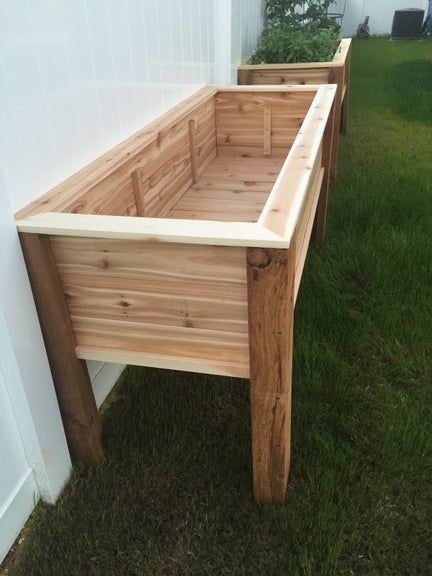


Using a slightly narrower design with reinforced corners or legs can improve durability while still offering ample horizontal space for multiple plants.
Accessibility and Maintenance Workflow
If you plan to tend the box from only one side, leaving a planter box width of about 3 to 4 feet ensures you can reach the center without stepping into the soil and compacting it.
For a box set against a wall or fence, you can go wider, perhaps 4 to 5 feet, because access is limited to the front, and you can rely on deeper soil to support larger plants.
Material Choice and Construction Considerations
The materials you select for your planter box influence how wide a design is practical, since heavier materials like treated wood or stone may be difficult to reposition once installed.
Lightweight plastic or fabric containers offer more flexibility to adjust width and placement on balconies or rooftops where structural load and surface strength are concerns.
Planning for Drainage and Waterproofing
Wider planter boxes often require additional support beneath to carry the weight of wet soil, so including features like reinforced rims or cross braces prevents sagging over time.
Regardless of width, integrating a solid waterproofing layer beneath the soil mix protects balconies and foundations from moisture damage, especially when the box is close to living areas.
Mobility and Long-Term Adjustments
For renters or those who like to rearrange gardens seasonally, a moderate planter box width with built in handles or wheels makes relocation easier without sacrificing growing space.
Homeowners who prefer a permanent installation can embrace a bolder width choice and integrate the box directly into hardscapes, creating a cohesive outdoor room that frames the garden design.
Design Tips for Custom Planter Box Widths
Custom building your own planter box allows you to tailor the width precisely to your plants and site, avoiding the compromise that comes with off the shelf containers.
Combining different sized boxes in a cluster can create visual interest while accommodating plants that prefer shallow roots beside those that dig deeper.
Using Modular Systems for Flexible Widths
Interlocking modular planters let you start with a narrow base width and expand horizontally as your gardening needs evolve, without investing in an oversized box immediately.
These systems also simplify replacement of damaged sections and make it easy to reconfigure the layout as plants mature or as you experiment with new varieties.
Integrating Planter Box Width Into Landscape Flow
Viewing the planter box width as part of a larger garden layout helps you maintain proportional sight lines, especially when the box is positioned near paths or seating areas.
Testing the scale with temporary marking tape on the ground before cutting wood or assembling plastic panels ensures the final width feels balanced in the surrounding environment.
By considering the available space, plant needs, structural factors, and your long term vision for the garden, you can choose a planter box width that supports healthy growth and enhances your outdoor space for years to come.
Related Articles

How Wide Should Your Walkway Be?
Determining the correct width for a walkway is one of the most important decisions you will make during a landscaping project, because it directly impacts both...

Family-Friendly Lunch Ideas: What to Serve for Your Next Gathering
Planning a family lunch can be a delightful task, filled with the joy of bringing loved ones together around a shared meal. But with so many options, deciding...

How Wide Should a Mudroom Locker Be? The Ultimate Spacing Guide
When designing or choosing a mudroom locker, one of the most crucial considerations is its width. The ideal width can significantly impact the functionality...

How Wide Should a Garden Be? The Ultimate Guide to Perfect Garden Width
When planning your garden, one of the first questions that arises is "How wide should my garden be?" The width of your garden significantly impacts its...
Garden Planter Box Depth: The Perfect Size for Your Plants
Choosing the right garden planter box depth is one of the most important decisions you will make for a successful container garden. Many beginners focus only...

Optimal Depth: How Deep Should Your Mud Bench Be?
The depth of a mud bench, a crucial aspect in equestrian facilities, significantly impacts the comfort and safety of horses. But how deep should it be? Let's...