India Greatest Locations to Go is a various and thrilling journey by the varied corners of this unimaginable nation, providing a wealthy tapestry of landscapes, cultures, and experiences that cater to a variety of pursuits. Discover the Northern Territory, Uncover the Golden Triangle, Immerse your self within the Artwork and Craft Scene, and far more.
From the snow-capped Himalayas to the colourful streets of metropolitan cities, India has one thing to supply for everybody. Whether or not you are a foodie, an adventurer, or a historical past buff, this nation is an eclectic mixture of cultures, cuisines, and landscapes that can go away you with lifelong reminiscences.
Exploring the Hidden Gems of India’s Northern Territory
The paranormal lands of the Himalayas and the arid fantastic thing about Leh Ladakh stand as a testomony to the breathtaking variety of India’s northern territory. Nestled within the coronary heart of the world’s highest mountain ranges, this enchanting area provides a world of breathtaking landscapes, distinctive cultures, and an array of journey actions that can go away even probably the most seasoned traveler enchanted.
Leh Ladakh, a high-altitude desert area within the state of Jammu and Kashmir, is characterised by its barren but mesmerizing landscapes of rolling sand dunes and majestic mountain ranges. The surreal fantastic thing about this area could be seen in its snow-capped peaks, shimmering lakes, and huge expanses of untouched wilderness. The panorama of Ladakh additionally displays a deep cultural heritage with monasteries and villages perched precariously on cliffs and plateaus, which supply a glimpse into the area’s wealthy Buddhist and Muslim historical past.
Trekking Routes within the Himalayas
The Himalayas, the world’s highest mountain vary, is house to a number of the most difficult but rewarding trekking routes. One of the standard trekking routes is the Indo-Tibetan trek, which follows the traditional commerce route that connects India to Tibet. The trek takes you thru beautiful valleys, quaint villages, and majestic mountain ranges, offering breathtaking views and a glimpse into the area’s historical past and tradition.
Common Trekking and Journey Actions in Ladakh
Ladakh, a paradise for journey seekers, provides a variety of actions that cater to all ranges of experience and curiosity. Among the standard actions embrace:
- Trekking to the Markha Valley: A difficult six-day trek that takes you thru beautiful landscapes and quaint villages, providing breathtaking views of the Himalayas.
- Rafting on the Indus River: An exciting expertise that takes you thru the rapids and tranquil waters of the Indus River, offering a glimpse into the area’s untamed wilderness.
- Motorbike Safaris: A novel expertise that lets you discover the area’s breathtaking landscapes and quaint villages on two wheels.
- Rock Climbing: A difficult exercise that caters to all ranges of experience and curiosity, offering breathtaking views of the Himalayas.
- Trekking to the Nubra Valley: A difficult five-day trek that takes you thru beautiful landscapes and quaint villages, providing breathtaking views of the best mountain ranges on this planet.
Ladakhi Delicacies and Festivals
Ladakhi delicacies is a singular mix of Tibetan and Indian flavors, with dishes like momos, thukpa, and tsampa being standard amongst locals and guests alike. Momos, a standard Tibetan dish, is a sort of dumpling that’s served steamed or fried and is usually full of a mix of meat and spices. Thukpa, a hearty noodle soup, is a staple in Ladakhi delicacies and is usually served with quite a lot of greens and meat. Tsampa, a standard Tibetan noodle dish, is created from roasted barley flour and is usually served with butter tea or milk tea.
The festivals in Ladakh are a testomony to the area’s distinctive cultural heritage and are a celebration of the area’s Buddhist and Muslim historical past. Among the standard festivals embrace:
- Ladakh Pageant: A 3-day competition that celebrates the area’s distinctive tradition and is a showcase of the area’s conventional music, dance, and artwork.
- Losar Pageant: A 15-day competition that celebrates the Tibetan New Yr and is a showcase of the area’s conventional music, dance, and artwork.
- Urs Pageant: A competition that celebrates the area’s Muslim heritage and is a showcase of the area’s conventional music, dance, and artwork.
Within the evenings, the folks of Ladakh collect to rejoice the area’s distinctive festivals, with masked dances, conventional music, and scrumptious meals being part of the celebrations. The Ladakh festivals present a glimpse into the area’s wealthy cultural heritage and are a testomony to the area’s distinctive id.
Discovering India’s Wealthy Historical past and Structure within the Golden Triangle: India Greatest Locations To Go
Within the coronary heart of northern India lies the Golden Triangle, a geographical area certain by the cities of Delhi, Agra, and Jaipur. This sprawling panorama has been a cradle of empires, a melting pot of cultures, and a testomony to the area’s wealthy historical past. As we delve into the Golden Triangle, we uncover a tapestry of architectural wonders that mirror the ingenuity and creative aptitude of the dynasties that when dominated.
The Geographical Significance of the Golden Triangle
Positioned within the Indo-Gangetic Plains, the Golden Triangle is a area of immense cultural and historic significance. Delhi, the capital metropolis of India, stands on the crossroads of the area, the place the Yamuna River flows gently. Agra, located to the south, is widely known for its majestic monuments, whereas Jaipur, located within the west, is understood for its vibrant pink-hued structure. The area’s geographical significance lies in its strategic location, which has made it a hub of commerce, commerce, and cultural trade.
The Golden Triangle is a area the place the previous and current converge, the place historical traditions meet modern-day vibrancy.
Evaluating and Contrasting Mughal and Rajput Architectural Kinds
The architectural kinds of the Mughal and Rajput dynasties are distinct and mirror the distinctive cultural and historic context of the areas they represented. The Mughal Empire, based by Babur within the early sixteenth century, introduced with it a synthesis of Persian, Turkish, and Indian architectural influences. The Taj Mahal, an iconic instance of Mughal structure, is a poignant tribute to like and sweetness. Its intricate marble inlays, sprawling gardens, and hovering domes evoke a way of grandeur and majesty.
In distinction, the Rajput Empire, which emerged within the sixth century, is characterised by a extra austere and disciplined architectural fashion. The Amber Fort, a testomony to Rajput engineering prowess, is a labyrinthine construction with imposing partitions and imposing ramparts. Whereas Mughal structure is usually ornate and elaborate, Rajput structure is marked by its simplicity and performance.
- The Mughal Empire was characterised by a mix of Persian, Turkish, and Indian architectural influences, which is mirrored within the intricate marble inlays and sprawling gardens of the Taj Mahal.
- The Rajput Empire, however, is characterised by a extra austere and disciplined architectural fashion, as evident within the imposing partitions and ramparts of the Amber Fort.
The Colonial Legacy and Its Impression on Structure and Cultural Id, India finest locations to go
The colonial legacy of the Golden Triangle has left an indelible mark on its structure and cultural id. The arrival of European powers, notably the British, introduced with it a wave of modernization and westernization. Lots of the area’s historical monuments have been destroyed, and new buildings have been constructed in a colonial fashion that mirrored the tastes and sensibilities of the ruling elite. The result’s a mix of conventional and colonial architectural kinds, which has contributed to the area’s distinctive cultural id.
Immersing in India’s Vibrant Arts and Crafts Scene
In a realm the place colours dance and textures weave tales, India’s wealthy tapestry of arts and crafts unfolds like an impressive fresco. From the intricate patterns of conventional textiles to the earthy tones of handcrafted pottery, and from the ornate patterns of metalwork to the fragile strokes of miniature portray, India’s creative legacy is a real delight to behold.
Conventional Indian Arts and Crafts
India’s various cultural heritage is mirrored in its varied conventional arts and crafts, every with its distinctive historical past and significance.
- Textiles: The nation’s wealthy textile heritage is clear within the beautiful materials of Kashmir, the intricate embroidery of Chikan, and the majestic weaves of Benarasi. From the fragile brocade of Banarasi sarees to the colourful patchwork of Rajasthan’s tribal clothes, India’s textiles are a testomony to its creative prowess.
- Pottery: Conventional Indian pottery is an attractive mix of performance and artwork. The country redware of Madras, the elegant blue and white ceramics of Gujarat, and the ornate terracotta of West Bengal are just some examples of the nation’s various pottery traditions.
- Metalwork: The intricate metalwork of India is a celebration of precision and craftsmanship. From the fragile filigree of Mughal-era metalwork to the sturdy ironware of rural India, the nation’s metalwork is a testomony to its wealthy artisanal heritage.
Up to date Indian Arts and Crafts
India’s up to date arts and crafts scene is a vibrant canvas of innovation and experimentation. Many artists are pushing the boundaries of conventional mediums, incorporating new strategies and supplies to create one thing uniquely Indian but refreshingly trendy.
- Sculptor Jagan Nath Mazumdar: This famend sculptor is understood for his intricate stone carvings that mix conventional with trendy components. His works are a testomony to the great thing about mixing previous and new.
- Textile artist Annapurna Garimella: This award-winning textile artist is widely known for her stunning silk weavings that mix conventional strategies with trendy sensibilities. Her works are a real fusion of artwork and tradition.
- Painter Laxman Pai: A grasp of Madhubani portray, Laxman Pai’s works are a testomony to the great thing about India’s folks artwork traditions. His vivid use of coloration and complex designs have earned him a spot of delight within the nation’s artwork world.
Native Communities and Artisans
India’s native communities and artisans play an important function in preserving and selling the nation’s wealthy cultural heritage. These expert craftsmen and girls, usually passing down their traditions from era to era, are the guardians of India’s creative legacy.
Their dedication to their craft is a mirrored image of their love for his or her tradition and neighborhood. They take immense delight of their work, usually imbuing every bit with a way of private connection and which means. As guests immerse themselves in India’s creative scene, one can’t assist however really feel a deep respect and admiration for these unsung heroes.
Exploring India’s Coastal Areas and Seashores
India’s 7,500km shoreline is a treasure trove of various landscapes, from the sun-kissed seashores of Goa to the rugged cliffs of Odisha. The nation’s shoreline is dotted with a mess of seaside varieties, every with its distinctive traits and charms. On this exploration, we delve into the varied coastal landscapes and seashores that India has to supply, in addition to the significance of coastal ecology and the affect of tourism on India’s marine ecosystems.
India’s shoreline is characterised by a spread of seaside varieties, together with sandy seashores, rocky shores, and estuaries. The western coast of India, notably within the state of Goa, is legendary for its pristine seashores, equivalent to Palolem and Colva. These seashores are recognized for his or her crystal-clear waters, powdery sand, and vibrant nightlife. In distinction, the japanese coast of India, notably within the states of Odisha and West Bengal, is house to rugged and rocky shores, equivalent to those discovered within the Puri district. These seashores are recognized for his or her robust tidal currents and distinctive rock formations.
Coastal Ecology and Marine Ecosystems
The coastal areas of India are house to a various array of marine ecosystems, together with coral reefs, mangrove forests, and salt marshes. These ecosystems assist a variety of marine life, together with fish, crustaceans, and different invertebrates. Nonetheless, the speedy development of tourism in these areas has put immense strain on these delicate ecosystems. The elevated human exercise has led to the degradation of coral reefs, the lack of mangrove cowl, and the air pollution of coastlines.
Among the key impacts of tourism on India’s marine ecosystems embrace:
- Overfishing: The rising demand for seafood has led to overfishing, which has negatively impacted the populations of assorted species, together with sharks, rays, and groupers.
- Coral bleaching: The warming of the oceans because of local weather change has precipitated widespread coral bleaching, which has had a devastating affect on the coral reefs discovered alongside India’s coast.
- Air pollution: The massive inflow of vacationers has resulted within the air pollution of coastlines, with plastic waste, sewage, and different pollution affecting the well being of marine life.
- Lack of habitats: The destruction of mangrove forests and salt marshes because of coastal growth and tourism has resulted within the lack of habitats for varied species.
Native Fishing Communities and Conventional Fishing Practices
India’s coastal areas are house to a lot of fishing communities, every with their very own distinctive traditions and practices. In Orissa, the native fishing neighborhood has been practising conventional fishing strategies for generations. These strategies embrace using handlines, nets, and traps to catch fish. The neighborhood additionally has a deep understanding of the marine ecosystem and the significance of preserving it.
Among the conventional fishing practices in India embrace:
- Handline fishing: This includes using a easy line with a hook and bait to catch fish.
- Nets: Fishermen use varied forms of nets, together with forged nets and gillnets, to catch fish.
- Trapping: Fishermen use traps, equivalent to lobster pots and crab traps, to catch crustaceans and different invertebrates.
The native fishing communities play an important function in sustaining the well being of India’s marine ecosystems. Their conventional fishing practices are sustainable and environmentally pleasant, and so they have a deep understanding of the fragile steadiness of the marine ecosystem. Nonetheless, the rising strain of tourism and coastal growth is threatening the very existence of those communities.
Discovering India’s Sacred Websites and Non secular Locations
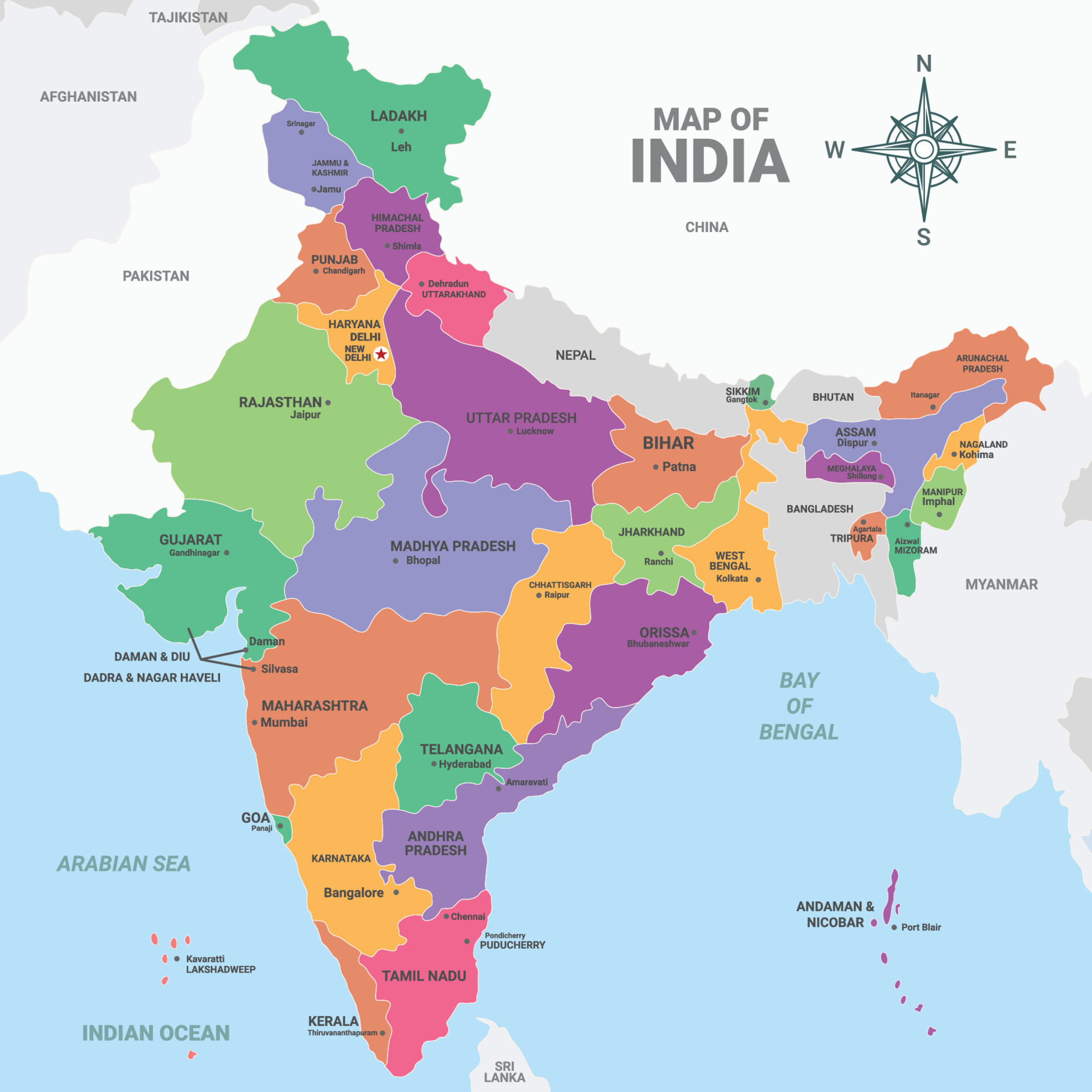
India is a land of non secular and cultural variety, boasting an array of sacred websites that resonate with pilgrims and seekers of enlightenment. Every of those websites holds a wealth of historic and cultural significance, providing insights into the area’s wealthy tapestry of religion and custom.
Varanasi, certainly one of India’s most revered cities, is house to the revered Kashi Vishwanath Temple, a spot of nice non secular significance for Hindus. Strategically located on the banks of the Ganges River, this sacred web site invitations devotees from far and broad, its ghats (pilgrim steps) serving as a poignant reminder of life’s fragile, fleeting nature. The town’s labyrinthine alleys are full of the sounds, colours, and aromas of every day choices to the divine, as locals and guests alike come to pay homage to the divine.
Holy Websites of Significance
Along with Varanasi, Ayodhya too is steeped in historic and non secular significance. This sacred metropolis in northern India is taken into account the birthplace of Lord Rama, the revered king of the epic Hindu textual content, the Ramayana. As such, Ayodhya has lengthy been a well-liked vacation spot for devotees, who come to pay respects on the Janmabhoomi Temple, a sacred advanced that encompasses websites of nice historic significance, together with the stays of the traditional Ram Janmabhoomi temple, which dates again to the sixteenth century.
The Range of Indian Non secular Traditions
India’s non secular panorama is characterised by an beautiful variety of traditions, which coexist and mutually enrich each other. Buddhism, which originated in India, performed a major function in shaping the nation’s non secular heritage. The teachings of the Buddha have discovered expression in quite a few sacred websites throughout the nation, every boasting its personal distinctive historical past and mythology. The Bodh Gaya Temple in japanese India, for example, commemorates the positioning of the Buddha’s enlightenment, whereas the Mahabodhi Tree serves as a poignant reminder of the second when the Buddha lastly found his path to enlightenment.
Pilgrimage and Sacred Websites in Indian Tradition and Id
For Indian pilgrims, visiting sacred websites is a basic side of their non secular journeys. Every web site, imbued with its personal historical past, mythology, and symbolism, provides a singular perception into the area’s deep-seated religion and custom. These sacred areas, such because the cave temples of Ellora and Ajanta, are testaments to India’s wonderful previous, reflecting the ingenuity and talent of its artisans and craftsmen. Moreover, these websites reveal India’s dedication to spirituality, showcasing the nation’s unwavering devotion to its gods and goddesses, and highlighting the important function that sacred websites play in shaping India’s cultural and non secular id.
Last Conclusion
India is a melting pot of experiences, and every of its locations has its personal distinctive attraction. From bustling cities to serene seashores, and from historical ruins to vibrant artwork scenes, this nation is a real reflection of its various heritage. Whether or not you are a seasoned traveler or a curious explorer, India Greatest Locations to Go is a journey you will really cherish.
FAQ
What’s the finest time to go to India?
The perfect time to go to India is dependent upon the area you propose to go to. Usually, the winter months (October to February) are one of the best time to go to most components of India, whereas the monsoon season (June to September) is right for the coastal areas.
How do I get round India?
India has a well-connected community of home flights, buses, trains, and taxis. You may also rent a automobile or bike to discover the countryside. Moreover, ride-hailing apps and taxi companies are extensively out there.
What are the must-try native dishes in India?
Among the must-try native dishes in India embrace butter hen, tandoori hen, naan bread, palak paneer, and biryani. Remember to attempt the native avenue meals and snacks like kachoris, samosas, and chaat.

