DIY Indoor Water Garden Ideas Easy Step by Step Guide
Creating an indoor water garden DIY project brings the tranquil beauty of nature directly into your home, offering a serene focal point that soothes the mind and elevates any space.
This guide is designed for beginners and experienced hobbyists alike, providing clear, actionable steps to build your own miniature aquatic ecosystem without the need for advanced technical skills or a massive budget.
Planning Your Indoor Aquatic Oasis
The first critical step in your indoor water garden DIY journey involves careful planning regarding location, container choice, and the specific aquatic plants you wish to cultivate.


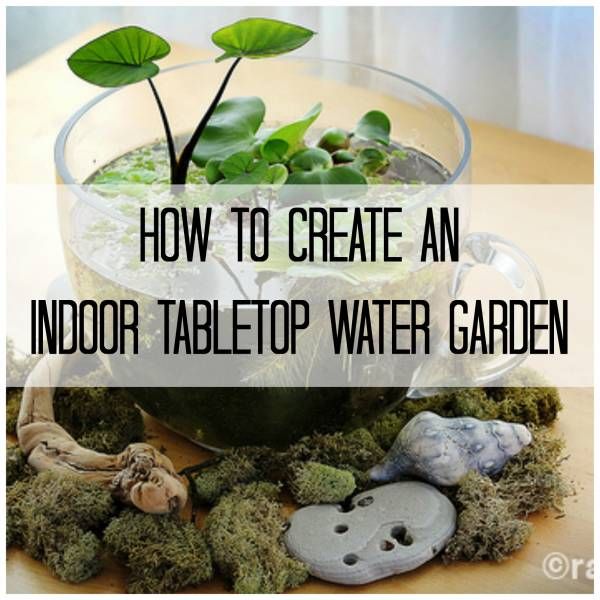
Selecting a spot with consistent, indirect light and stable temperatures is essential for the long-term health of your watery microcosm, as harsh sunlight can promote algae while drafts can stress delicate roots.
Choosing the Right Container
For beginners, a clean glass vase, a decorative ceramic bowl, or even a repurposed glass jar provides an excellent starting point that allows for easy observation of roots and water clarity.


Ensure the container is free from soap residues or manufacturing chemicals by rinsing it thoroughly, and consider its aesthetic appeal since it will be a permanent decorative element in your room.
Selecting Suitable Plants
Ideal candidates for an indoor setup include hardy plants like lucky bamboo, peace lilies, anubias, or java fern, which thrive in low-light, stable environments and do not require soil substrate.
Avoid overly demanding species that need intense light or frequent fertilization, as the limited environment of a small indoor container can make maintenance difficult.


Establishing the Aquatic Ecosystem
Once your container and plants are selected, filling it with clean, preferably filtered water at room temperature creates a welcoming habitat that minimizes shock to the plants.
Allow the water to sit for twenty-four hours if possible to dissipate chlorine, and arrange your chosen specimens gently, ensuring that any rhizomes or stems are partially submerged but not completely buried.Adding Aesthetic Elements
Incorporating smooth stones, driftwood, or decorative marbles on the surface not only enhances visual interest but also provides anchors for plants and helps secure them in place.


Maintaining Water Quality
Regularly checking for cloudiness, unpleasant odors, or visible algae growth helps you catch potential imbalances early before they threaten the health of your miniature ecosystem.Top up the water level as evaporation occurs, and consider using a small, low-wattage air pump or bubbler if the container is larger, as gentle circulation prevents stagnation and promotes healthy root development.
Ongoing Care and Troubleshooting
Consistent yet minimal maintenance is the cornerstone of success, involving periodic water changes, gentle wiping of container walls, and the removal of any decaying plant matter to prevent nutrient overload.
Observing your indoor water garden daily allows you to notice subtle changes in leaf color or stem flexibility, enabling you to adjust light exposure or water conditions before minor issues escalate.Addressing Common Problems
Yellowing leaves often indicate too much light, insufficient nutrients, or poor water quality, while slimy textures typically point to excess organic debris or inadequate water flow.
Rotating the container slightly encourages even growth, and removing any affected plant sections promptly helps maintain the vitality of the entire arrangement without resorting to harsh chemicals.Long-Term Plant Health
While fertilizing is generally unnecessary, occasionally adding a diluted, aquatic-specific nutrient solution can support lush foliage if you notice slow growth despite optimal conditions.
Pruning dead or overly long stems not only keeps the display tidy but also encourages bushier regrowth, ensuring your indoor water garden remains vibrant and full year-round.As you continue to refine your indoor water garden DIY skills, you will discover how subtle adjustments in light, plant selection, and water movement can transform a simple glass container into a dynamic, living piece of art that quietly enhances your daily environment.
Related Articles

DIY Indoor Mini Pond Ideas Easy Setup Beautiful Water Garden
Transform your indoor space into a serene oasis with a DIY indoor mini pond. Not only does it add a touch of nature to your home, but it also offers numerous...

Easy Painted Rock Ideas: Step-by-Step Guide
Painted rock ideas easy step by step projects are a fantastic way to bring a burst of color and personality into your outdoor space without needing advanced...

Easy Paper Mosaic Ideas Creative Step By Step Guide
Easy paper mosaic ideas offer a welcoming gateway into the world of tactile art, allowing you to transform simple sheets of paper into vibrant, textured...

Easy Step by Step Guide How to Draw a Flower Garden for Beginners
Learning how to draw a flower garden easy is a rewarding way to capture the beauty of nature on paper without needing professional experience. This simple...

Simple Flower Bed DIY Ideas Easy Step by Step Guide
Creating a simple flower bed DIY project is one of the most rewarding ways to transform your outdoor space without breaking the bank. This guide walks you...

Spooky Halloween Doodle Ideas Easy Step by Step Guide
As the leaves turn and the air grows crisp, Halloween approaches, bringing with it a delightful opportunity to express our creativity. If you're looking for...