Stunning Indoor Water Gardens: Tranquil Oasis Design Ideas
An indoor water garden brings the tranquil energy of flowing water and lush greenery directly into your home, creating a serene focal point that soothes the mind and elevates the atmosphere. Whether you have a spacious living room or a cozy studio apartment, these living installations transform ordinary spaces into calming sanctuaries that feel carefully curated and deeply personal. Unlike static decor, an indoor water garden is a dynamic, evolving piece of art that changes with the light and your mood. The gentle ripple of water and the soft scent of aquatic plants engage your senses, helping to reduce stress and promote a sense of calm.
These gardens are incredibly versatile, ranging from minimalist designs featuring a single, sculptural piece of driftwood to elaborate setups teeming with colorful fish and tropical foliage. They offer a unique blend of natural beauty and low-maintenance convenience, especially when you choose the right plants and filtration system. For many, the appeal lies in the ability to cultivate a tiny ecosystem on a windowsill or shelf, observing the delicate balance between water, light, and life. This introduction to indoor water gardening invites you to consider how a small investment in time and materials can yield a lifetime of peaceful enjoyment.
Planning Your Indoor Oasis
Before you purchase a single plant or pump, careful planning is essential to the long-term health of your indoor water garden. You need to consider the specific location, taking into account available space, natural light levels, and proximity to power outlets for equipment. A sunny spot near a window is often ideal for most aquatic plants, but you must also be prepared to manage potential issues like algae growth if light levels are too high. Thinking about the visual style you want—whether modern and minimalist or lush and tropical—will guide your choices in containers, hardscape, and plant selection.


Budget is another critical factor that influences the scope and complexity of your project. A simple setup can be quite affordable, while a more elaborate design featuring high-end materials and advanced filtration can require a significant investment. Planning for ongoing costs, such as electricity for pumps and occasional plant replacement, ensures that your garden remains sustainable. By mapping out your vision on paper, you can avoid common pitfalls and create a roadmap for a successful and beautiful indoor installation.
Container and Location Selection
Choosing the right container is arguably the most important initial decision, as it defines the visual style and sets the physical boundaries for your ecosystem. Glass bowls, ceramic pots, wooden planters lined with rubber, and even repurposed sinks or bathtubs can serve as stunning vessels, each offering a distinct aesthetic. The container must be watertight and large enough to accommodate the root systems of your chosen plants and the volume of water required for stable temperature and chemistry. A clear container allows you to admire the intricate root system and aquatic life, adding to the garden's visual interest.
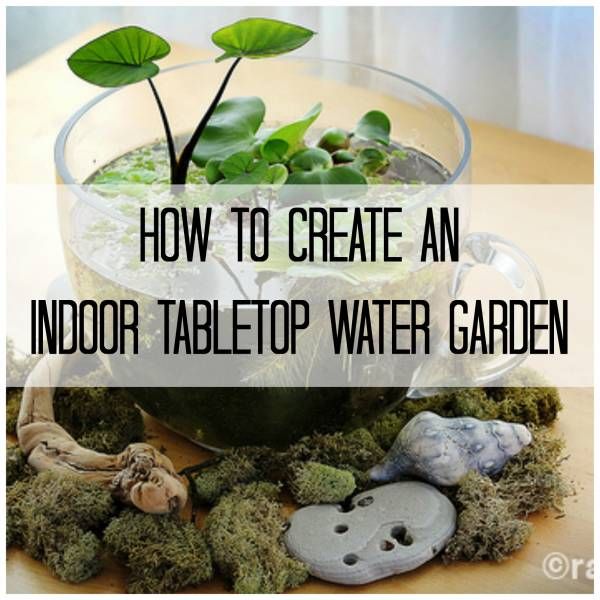


The location of your indoor water garden impacts everything from plant health to daily maintenance. You want a spot that complements the room's traffic flow and your personal workflow, ideally where you can easily see and appreciate it. Avoid placing the garden near drafty windows, heating vents, or air conditioners, as sudden temperature fluctuations can stress fish and plants. Furthermore, consider the weight of the filled container; a large glass bowl of water is extremely heavy and must be placed on a floor with adequate structural support.
Design Aesthetics and Hardscape
The hardscape elements—the rocks, stones, wood, and decorative structures—provide the skeleton of your design and help to anchor the softscape of living plants. Smooth river stones can create a natural streambed, while slate slabs can offer modern, minimalist ledges for plants to perch on. Driftwood and bogwood are popular for adding rustic charm and creating hiding places for fish, instantly elevating the garden's character. These materials also serve functional purposes, offering surfaces for beneficial bacteria to colonize, which is vital for biological filtration.
Lighting is a powerful design tool that can dramatically change the mood of your indoor water garden. Submersible LED lights can highlight the texture of rocks and the movement of the water, while ambient room lighting creates a soft, ethereal glow. Strategically placed lighting can extend your viewing time into the evening, allowing you to enjoy the shimmering reflections and the gentle movements of aquatic life after the sun goes down. Thoughtful hardscape and lighting design ensure your garden is as beautiful at night as it is during the day.


Maintaining a Healthy Ecosystem
Ongoing maintenance is the key to preserving the beauty and balance of your indoor water garden, ensuring it remains a vibrant feature rather than a source of frustration. Regular tasks include checking water levels, cleaning the glass, and removing any decaying plant matter to prevent water quality from deteriorating. A consistent maintenance routine prevents the buildup of harmful substances and keeps the environment stable for your fish and plants. Observing your garden daily allows you to catch minor issues before they escalate into major problems.
Water quality management is the most technical aspect of care, but it becomes intuitive with time. You must monitor parameters such as pH, ammonia, nitrite, and nitrate levels, ensuring they remain within safe ranges for your specific inhabitants. Performing partial water changes on a regular basis—typically 10% to 20% weekly—helps to dilute toxins and replenish essential minerals. For those who prefer a more natural approach, cultivating a thriving colony of beneficial bacteria within your filter and substrate is the most effective way to manage the nitrogen cycle continuously.
Plant Selection and Care
Selecting the right plants is crucial for creating a lush and thriving indoor display, and many beginner-friendly options exist. Anubias and Java fern are excellent choices because they are hardy, slow-growing, and attached to hardscape rather than planted in substrate, making them low-maintenance. For a pop of color, dwarf varieties of tropical plants like Cryptocoryne or small water lilies can flourish under the right conditions. Floating plants like Water Lettuce or Duckweed are also popular for their ability to provide shade and absorb excess nutrients that cause algae.


Caring for aquatic plants involves providing the correct lighting and nutrients, as they are the primary drivers of oxygen production and biological balance. While natural sunlight is beneficial, prolonged direct exposure can cause intense algae blooms, so filtered light is often better. Root tabs and liquid fertilizers specifically formulated for aquatic plants help to supplement the minerals that are often lacking in tap water. By understanding the specific needs of your plant varieties, you can create a lush underwater landscape that requires minimal intervention.
Fish and Inhabitant Choices
If your indoor water garden includes fish, choosing the right species is vital for maintaining harmony and ensuring the health of the entire system. Small, peaceful fish like bettas, guppies, or ember tetras are well-suited to smaller indoor setups, as they are hardy and visually engaging. Shrimp and snails are excellent cleaner crew members, helping to manage algae and detritus without taking up much space. It is critical to research the adult size and temperament of any fish before adding them to prevent overcrowding and stress.
Feeding is a critical responsibility that directly impacts water quality. Overfeeding is a common mistake that leads to excess waste and poor water conditions, so it is best to offer only what your fish can consume in a few minutes. Observing your fish's behavior during feeding time helps you gauge their health and appetite, allowing you to adjust their diet accordingly. A balanced diet of high-quality flakes, pellets, and occasional treats supports vibrant colors and robust immunity, contributing to a thriving ecosystem.
Ultimately, tending to an indoor water garden is a rewarding practice that connects you to the natural world in the comfort of your own home. With patience and attention, you will create a living masterpiece that evolves over time, offering a constant source of inspiration and tranquility. Take the next step by exploring different design ideas and species to find the perfect combination that reflects your personal style and brings lasting peace to your space.
Related Articles

Stunning Backyard Water Pond Ideas for Tranquil Oasis Design
Transforming your backyard into a serene oasis is easier than you think, and adding a water pond is an excellent starting point. Not only do backyard ponds...

Budget Friendly Pond Design Ideas Stunning Water Gardens On A Budget
Transforming your backyard into a serene oasis doesn't have to break the bank. With a little creativity and some budget-friendly pond design ideas, you can...

Stunning Backyard Man Made Creek Ideas for Tranquil Oasis Design
Transforming a plain backyard into a serene natural oasis begins with the gentle sound of moving water, and a man made creek is one of the most captivating...

Stunning Backyard Pond Water Feature Ideas for Tranquil Outdoor Oasis
Transforming your backyard into a serene oasis is easier than you think with the addition of a water feature. A backyard pond not only enhances the aesthetic...

10 Stunning DIY Indoor Garden Ideas for a Lush Green Oasis at Home
Transform your indoor space into a lush, green oasis with these creative and eco-friendly DIY indoor garden ideas. Whether you're a seasoned green thumb or...

Stunning Large Outdoor Water Fountain Design Ideas for Your Garden
Transform your outdoor space into a serene oasis with captivating large outdoor water fountain design ideas. These stunning water features not only add a touch...