Is It Safe to Cover Plants with Plastic?
Many gardeners reach for plastic sheeting or bags as a quick solution for plant protection, leading to the essential question, is it ok to cover plants with plastic. While this method seems practical for shielding delicate foliage from frost or intense sun, it introduces risks that can harm the very life you intend to save if not applied correctly. Understanding the balance between temporary shelter and creating a suffocating environment is critical for any dedicated grower.
Plastic behaves differently than organic garden materials because it creates a sealed environment that disrupts normal plant respiration. This barrier can trap excessive heat on sunny days, essentially cooking the plant, while at night it might offer valuable warmth against frost. The success of this approach depends entirely on the specific conditions, the type of plastic used, and the duration of coverage, making it a tool that requires careful consideration rather than a universal remedy.
When Temporary Protection Is Beneficial
Covering plants with plastic can be highly effective in specific scenarios where the benefits clearly outweigh the risks. For instance, a light frost prompts many growers to ask is it ok to cover plants with plastic to retain ground heat and protect tender growth. In these situations, the plastic acts as a radiant heat barrier, trapping warm air that would otherwise escape into the cold night sky, providing a crucial few degrees of protection.


Another common use is shielding young seedlings from harsh winds, drying rain, or extreme temperature fluctuations immediately after transplanting. In these cases, the plastic creates a miniature greenhouse effect that reduces stress and helps establish roots in a controlled environment. However, this benefit is directly tied to proper ventilation and timely removal, turning a potential hazard into a valuable short-term aid.
Preventing Frost Damage
One of the most frequent applications is frost protection, where the answer to is it ok to cover plants with plastic is yes, provided you manage the heat buildup correctly. Clear plastic allows sunlight to warm the soil and plant during the day, and that stored heat is released at night, preventing ice crystals from forming inside the plant cells. This method is particularly useful for hardy annuals and established shrubs that are not completely frost-hardy but are close to the ground.


To maximize this benefit without causing heat stress, ensure the plastic does not directly touch the foliage by using stakes or a frame. You should remove the cover as soon as the sun rises and the temperature warms up, usually in the late morning, to prevent the sudden humidity spike and cooking effect that can occur in a sealed environment.
Shielding from Environmental Stressors
Beyond temperature, gardeners often ask is it ok to cover plants with plastic to guard against windburn or desiccation. In exposed areas, drying winds can strip moisture from leaves faster than roots can supply it, causing browning and dieback. A temporary windbreak made of burlap or loosely draped plastic can reduce this evaporation stress without completely sealing the plant.
However, it is vital to differentiate between wind protection and creating an airtight seal. The goal is to reduce the wind speed hitting the plant, not to trap all moisture inside. Using garden fabric is often a better alternative than pure plastic because it allows for gas exchange while still calming the turbulent airflow around the plant.


Pitfalls and Risks of Plastic Coverage
Despite the utility in specific situations, the question is it ok to cover plants with plastic carries significant warnings when done incorrectly. The most dangerous risk is creating a humid, stagnant environment that fosters fungal diseases such as powdery mildew or botrytis. Because plastic prevents air circulation, condensation builds up on the leaves, providing the perfect moisture for pathogens to thrive.
Additionally, if the plastic is left on during the heat of the day, the temperature underneath can skyrocket, essentially cooking the plant and reversing any protective benefits. This thermal stress can lead to cell damage, leaf scorch, and even plant death, particularly in young or sensitive specimens that cannot regulate their temperature effectively.
Risk of Suffocation and Rot
Plants require gas exchange, taking in carbon dioxide and releasing oxygen, even at night. Covering them tightly with plastic restricts this respiration, essentially suffocating the living tissue. This lack of oxygen can lead to root rot and stem dieback, particularly in soil or areas where moisture is present.


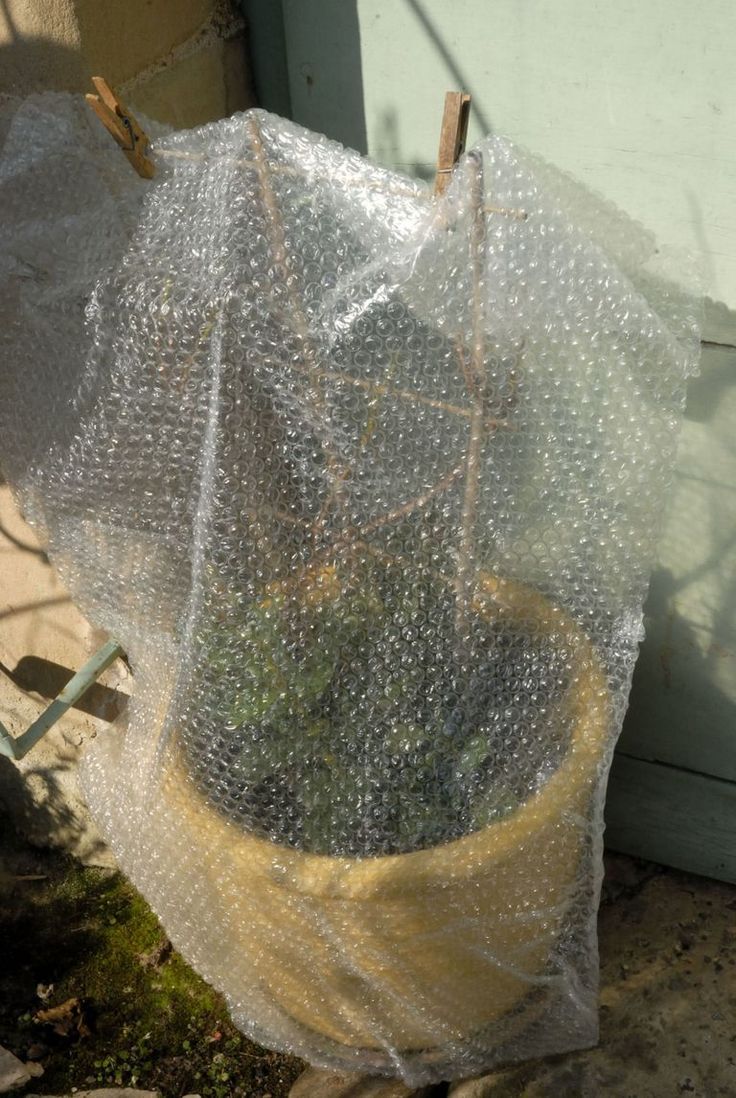
To mitigate this, if you must use plastic, ensure there is ample space between the plant and the covering, or create ventilation holes to allow air to move. Observing the plant under the cover is essential; if you notice drooping or discoloration, you must act immediately to remove the plastic and restore normal conditions.
Disease and Condensation Issues
The warm, moist environment under sealed plastic is a breeding ground for bacteria and fungi. Condensation dripping onto the soil or leaves introduces moisture where it is not wanted, which can lead to damping off in seedlings or blight on mature plants. This issue is especially problematic with dense foliage where airflow is already limited.
If you notice any signs of mold or mildew starting to form under the plastic, you must remove the covering immediately. Waiting even a day or two can result in the loss of the entire plant. Often, a breathable row cover is a safer alternative that provides disease resistance without the moisture trap associated with plastic.
Best Practices for Safe Use
Understanding the risks leads to the practical answer of is it ok to cover plants with plastic, which is a qualified yes focused on technique. The key is to use it as a temporary measure and never as a permanent fixture. You should always monitor the temperature under the cover and be prepared to remove it the moment the sun appears or if the internal heat feels excessive to the touch.
Ensuring the plastic does not touch the plant is another best practice. You can create a simple tent using stakes or wire hoops covered with the material. This structure holds the plastic away from the leaves, allowing air to circulate and preventing direct contact that could burn the tissue on hot days.
Using Ventilation and Timing
Ventilation is the most critical factor when using plastic covers. You can achieve this by propping one side of the covering with a brick or by cutting small slits in the plastic to allow hot air to escape. This cross-ventilation helps regulate temperature and reduces humidity to a level that won't encourage disease.
Timing is equally important. Applying plastic covers in the late afternoon before a frost is ideal because it traps the heat dissipating from the soil. Removing the cover the next morning prevents the heat buildup that occurs as the sun intensifies. Following this schedule ensures you gain the protective benefits without the detrimental side effects.
Considering Alternatives
For many situations, there are superior alternatives to plastic that provide protection without the associated risks. Materials like garden fleece, burlap, or specialized frost blankets allow air and water to pass through while providing insulation. These fabrics are specifically designed for horticulture and offer a safer solution for long-term coverage.
Using mulch around the base of the plant is another effective method to insulate roots without risking the stems and leaves. Combining mulch with a breathable cover often yields better results than using plastic alone, creating a balanced environment that supports plant health through adverse conditions.
Making the decision to cover plants involves weighing the immediate threat against the potential side effects of the covering material, and plastic serves as a tool that demands respect and careful management. By prioritizing airflow, monitoring temperatures, and opting for breathable alternatives when possible, you protect your garden while fostering a thriving environment that encourages robust growth season after season.
Related Articles
Is It Safe to Cover Plants with Plastic?
Many gardeners reach for plastic film when they want to shield delicate plants from frost or intense sun, but is it safe to cover plants with plastic in every...

How to Cover a Bath Panel with Sticky Back Plastic: Easy DIY Guide
Covering a bath panel with sticky back plastic is one of the most effective ways to refresh the look of your bathroom without a full renovation. This simple...

Step Ladder with Handrails at Home Depot – Safe and Steady Climbing Solutions
Finding a reliable step ladder with handrails at Home Depot means prioritizing safety while reaching high shelves or tackling household projects. Many shoppers...

Can I Use a Plastic Bucket as a Planter Safe DIY Guide
Deciding whether to use a plastic bucket as a planter is a practical question that comes up often for new gardeners looking for affordable and accessible...

Best Companion Plants for Boxwood Gardens Pairing Ideas
Boxwood shrubs are a timeless choice for gardens, offering structure, dense evergreen foliage, and a classic elegance that suits both formal and casual...

What Can I Mix with Pumpkin for My Baby: Safe & Tasty Combinations
Many parents look for simple and nutritious combinations when preparing homemade baby food, and pumpkin often stands out as a favorite first food. This vibrant...