Is Oats Smoothie Good for Nighttime Weight Loss?
Many people wonder if a oats smoothie is actually good for weight loss at night, especially when they are trying to shed a few extra pounds without giving up comfort. This gentle, creamy option can fit into a smart evening routine when you balance nutrition, timing, and personal hunger patterns. The key is understanding how the fiber and complex carbs in oats behave in the body after sunset, so you can make an informed choice instead of a guess.
At its core, weight loss comes down to consistent calorie control and sustainable habits, and a thoughtfully prepared oats smoothie can support both. Unlike heavy late meals or sugary snacks, a liquid meal made with oats, protein, and vegetables can be light yet satisfying. When you design it with satiety and micronutrients in mind, drinking oats at night may actually help you avoid impulsive overeating.
How Oats Work for Evening Nutrition
Oats are rich in soluble fiber, particularly beta glucan, which forms a gel-like texture in the stomach and slows digestion. This slower process can help you feel fuller longer, which is valuable when your evening cravings start to rise. A oats smoothie for weight loss at night can provide that steady, gentle energy instead of a sharp spike and crash that might disrupt sleep or lead to midnight hunger.


The type of oats you choose matters, because steel cut or rolled oats offer more texture and fiber than instant varieties that turn almost to liquid. Blending them into a smoothie means you still get the beneficial fiber, especially if you keep some thickness instead of filtering it out. Adding protein powder, Greek yogurt, or nut butter can further stabilize blood sugar, making the oats smoothie less likely to trigger late night snacking on high calorie foods.
Timing and Metabolism at Night
Some nutrition experts suggest that eating very late can interfere with sleep or encourage fat storage, but the science is more about total daily calories and overall consistency. If your lifestyle involves a late work finish or a light dinner, a small oats smoothie can serve as a structured snack that keeps you from overeating later. The goal is to avoid extreme hunger, which often leads to poor food choices, so a planned oats smoothie can actually support better discipline during the day.


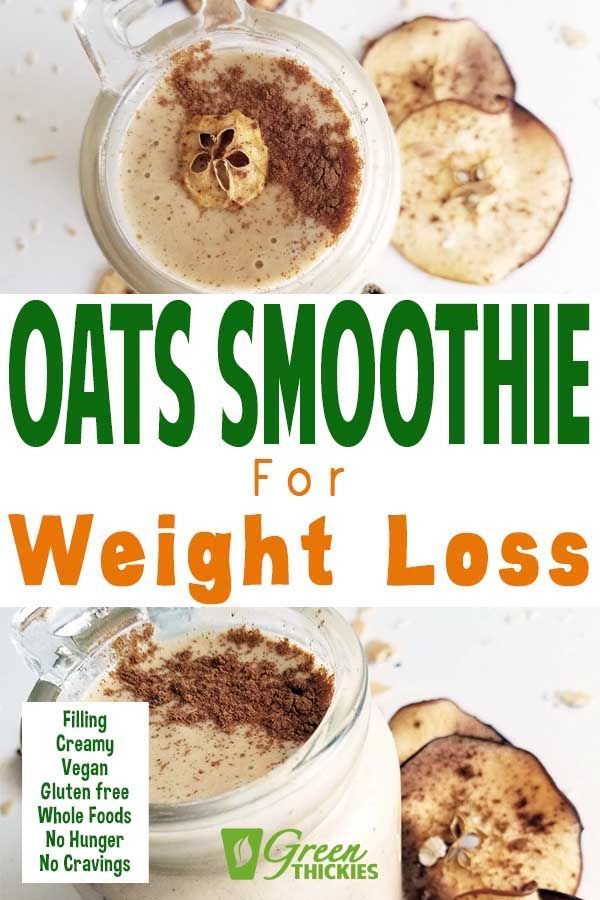
Pay attention to your personal cues, because some people feel energized by a warm, filling drink at night while others may experience discomfort or acid reflux. For those who tolerate oats well, the smoothie can be fortified with spices like cinnamon or vanilla, which add flavor without sugar or calories. This thoughtful customization turns a simple drink into a satisfying ritual that fits your body and your weight loss goals.
Building a Weight Loss Friendly Oats Smoothie
To maximize the potential of an oats smoothie for weight loss at night, focus on ingredients that add volume, protein, and micronutrients without excessive calories. Start with a base of unsweetened almond milk or water, add a measured portion of oats, then include a source of protein such as cottage cheese, silken tofu, or a scoop of protein powder. These combinations help the smoothie keep you full without turning it into a high calorie dessert.
Boost the nutrient density by blending in leafy greens like spinach or kale, which are low in calories but rich in vitamins and minerals. You can also incorporate healthy fats from a small portion of avocado or a teaspoon of chia seeds, which support satiety and help absorb fat soluble nutrients. By tracking portions and using a food scale at first, you ensure that the oats smoothie remains a light option that aligns with your calorie targets.


Practical Tips for Nighttime Consumption
Preparing your oats smoothie ahead of time can make it easier to resist less healthy choices when evening fatigue sets in. Portion it into a glass container, store it in the refrigerator, and simply blend it before you unwind for the day. This small habit reduces decision fatigue and makes your weight loss plan feel more automatic instead of constantly willpower driven.
Experiment with texture by adjusting the liquid amount, because a thicker smoothie may feel more like a meal and a thinner version can work better as a light snack. Listen to your digestion and sleep quality after each trial, because that feedback is your best guide. Over time, you will learn whether an oats smoothie at night genuinely supports your weight loss journey and overall sense of wellbeing.
Complementary Habits for Better Results
An oats smoothie works best as part of a broader pattern that includes regular movement, adequate sleep, and consistent meal timing. Even a low calorie drink will not create a deficit if your overall daily intake is far above your needs, so tracking initially can reveal the true impact. Pair your night time ritual with stress management techniques like deep breathing or light stretching, because lower stress often supports healthier cravings.


Hydration is another pillar, because sometimes thirst is mistaken for hunger and leads to unnecessary calories. If you are aiming for weight loss, consider your total fluid intake across the day and adjust your oats smoothie so it does not displace water. These small, steady habits compound and help you build a sustainable routine rather than relying on a single food or drink to do all the work.
Individual Differences to Watch For
No single strategy works perfectly for everyone, and your response to an oats smoothie at night will depend on factors like your metabolism, activity level, and medical conditions. People with certain digestive issues or blood sugar disorders may need to adjust the fiber load or consult a professional to fine tune the recipe. Paying attention to how you feel after consuming oats in the evening will help you decide if it is a long term habit or a short term tool.
Keep a simple journal for a couple of weeks, noting your hunger levels, sleep quality, and weight trends when you include the smoothie. This data driven approach prevents emotional decisions and helps you separate real progress from temporary fluctuations. When you view the oats smoothie as one flexible option in your toolkit, you can use it strategically without turning it into a rigid rule that causes stress.
By treating your oats smoothie as a deliberate part of your evening plan rather than a random snack, you give yourself a structured, comforting option that aligns with sustainable weight loss. Paying attention to ingredients, portions, and your own responses will help you decide how often this habit fits into your lifestyle. You can refine the recipe and routine over time, turning a simple nighttime drink into a reliable support for your long term health goals.
Related Articles
Is Overnight Oats with Rolled Oats a Secret Weapon for Nighttime Weight Loss?
Many people ask is rolled oats good for weight loss at night because they are looking for a simple dinner option that supports their goals. Rolled oats are a...

Oats for Nighttime Weight Loss: Is It Effective?
The idea of eating oats at night for weight loss sparks a lot of curiosity and questions. Many people wonder if this simple grain can truly support their goals...

Quaker Oats for Nighttime Weight Loss: Is It Effective?
Many people wonder is Quaker oats good for weight loss at night when they are trying to manage their waistline. This simple pantry staple offers a sense of...

Is Masala Oats a Nighttime Weight Loss Solution?
Many people ask if masala oats is good for weight loss at night because they seek a simple dinner option that satisfies hunger without packing on calories...

Is Oats with Milk a Nighttime Weight Loss Booster?
The question of is oats with milk good for weight loss at night touches the lives of countless people seeking a gentle path toward a healthier body. Many...
Eating Oats at Night: Good or Bad for Weight Loss?
Deciding whether eating oats at night is good or bad for weight loss depends on how they fit your daily calories and personal habits. Many people turn to warm...