Is Warm White Light Better for Your Home Lighting Needs
When it comes to choosing the right light for your space, the debate between warm white light and its cooler counterparts often arises. But is warm white light really the better choice? Let's delve into this topic, exploring the advantages and disadvantages of warm white light, and help you make an informed decision.
Warm white light, with its soft, inviting glow, is often associated with cozy, intimate settings. It's the type of light that makes you feel at home, creating a welcoming atmosphere. But what exactly is warm white light, and how does it compare to its cooler counterparts?
Understanding Warm White Light
Warm white light is characterized by a color temperature ranging from 2700K to 3300K on the Kelvin scale. This range is considered 'warm' because it mimics the color of incandescent bulbs, which were the standard for many years. The lower the Kelvin number, the warmer the light appears.


Warm white light is often used in residential settings, such as living rooms, bedrooms, and dining rooms, because it creates a comfortable, relaxing ambiance. It's also commonly used in restaurants and hotels to create a inviting atmosphere for diners and guests.
Advantages of Warm White Light
One of the primary advantages of warm white light is its ability to create a sense of intimacy and warmth. This is particularly beneficial in spaces where you want to create a cozy, inviting atmosphere, such as in the living room or bedroom.


Another advantage is that warm white light is generally considered more flattering to the skin. It can help to reduce the appearance of wrinkles and blemishes, making it a popular choice in bathrooms and bedrooms.
Disadvantages of Warm White Light
While warm white light has its advantages, it's not without its drawbacks. One of the main disadvantages is that it can make a space feel smaller and more enclosed. This is because the warm light can reflect off surfaces and create a sense of closeness.
Another disadvantage is that warm white light can be less effective in task lighting situations. The lower color temperature can make it more difficult to see details and perform tasks that require a higher level of visual acuity.


When to Choose Warm White Light
Given the advantages and disadvantages of warm white light, it's clear that it's not the best choice for every situation. So, when should you choose warm white light?
Warm white light is typically the best choice in spaces where you want to create a cozy, inviting atmosphere. This includes living rooms, bedrooms, and dining rooms. It's also a good choice in spaces where you want to create a flattering light, such as bathrooms and bedrooms.
Alternatives to Warm White Light
If warm white light isn't the right choice for your space, there are plenty of alternatives to consider. Cool white light, with its higher color temperature, is a good choice for task lighting situations, such as in offices or kitchens. Daylight bulbs, with their high color rendering index, can help to create a bright, natural light that's perfect for spaces where you want to feel connected to the outdoors.


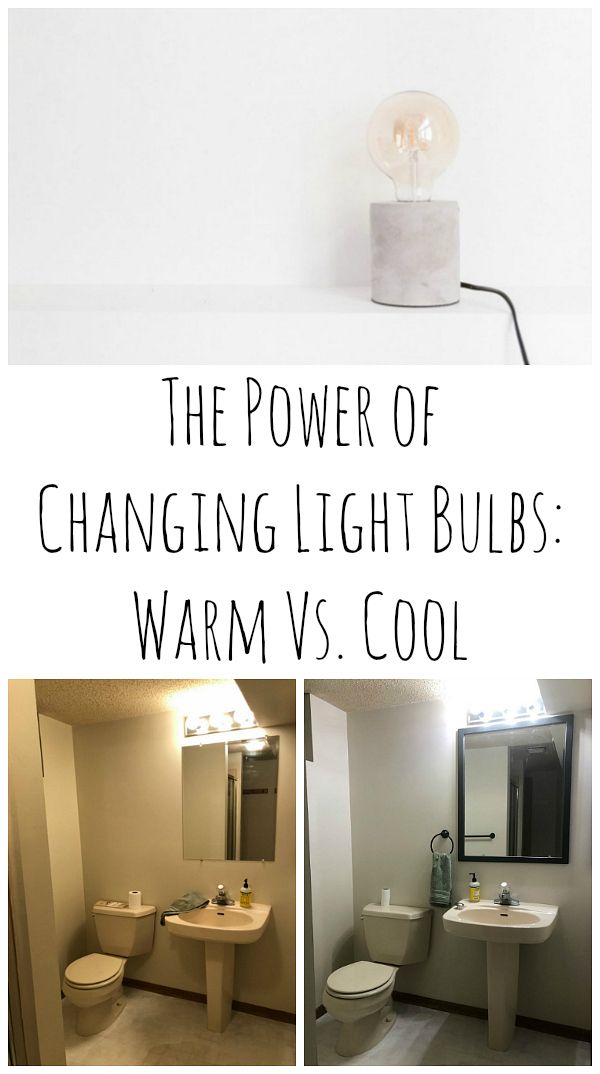


Smart bulbs, which allow you to adjust the color temperature and brightness with a smartphone app, can also be a good solution. They allow you to create the perfect light for any situation, whether you're looking to create a cozy atmosphere or a bright, energizing light.
Ultimately, the best light for your space depends on your specific needs and preferences. By understanding the advantages and disadvantages of warm white light, you can make an informed decision about whether it's the right choice for your space. So, go ahead and experiment with different light temperatures and types to find the perfect fit for your home or office.
Related Articles

White Light vs Warm Light: Which is Better for Your Home?
When it comes to choosing the right light for your space, two popular options often come to mind: white light and warm light. Both have their unique...

Warm Room Lighting Ideas 10 Cozy Atmosphere Tips For Your Home
Imagine this: You've just finished a long day at work, you're home, and all you want is to relax in a cozy, inviting space. The right lighting can transform...

Warm Lighting Ideas for a Cozy House: Transform Your Home with Ambiance
Warm lighting in a house has the remarkable ability to transform a simple structure into a welcoming and intimate sanctuary. It goes beyond mere visibility...

Is Warm White Light Better for Photos Tips and Truths
When it comes to photography, the type of light can significantly impact the final outcome of your images. One question that often arises is whether warm white...

White vs Black Curtains 2024: Which Is Better For Your Home?
Choosing between white or black curtains is more than a matter of personal taste, as it shapes how you experience light, privacy, and mood in every room. Many...

How to Make a White Bathroom Look Warm Cozy Like Home
Many people assume that a white bathroom has to feel cold, clinical, and sterile, but this is a misconception that limits design potential. With a few...