Lava Lamp Art for Elementary Kids
Lava lamp art elementary projects bring together science, creativity, and a mesmerizing visual experience for young students. These activities transform simple classroom materials into dynamic displays that mimic the slow, graceful motion of real lava flows inside a glass container.
Teachers and parents love lava lamp art elementary ideas because they align with STEAM goals while remaining safe, affordable, and easy to set up. Children watch in awe as oil, water, and effervescent tablets create bubbling patterns that seem to glow when placed on a light source.
Understanding the Science Behind the Art
At the heart of every lava lamp art elementary session is a basic demonstration of density and immiscibility. Students learn that oil and water do not mix because their molecules have different polarities, which leads to distinct layers inside the jar.


Adding an effervescing tablet introduces carbon dioxide gas bubbles that attach to the colored water, making it less dense than the oil. This causes the water blobs to rise, then break apart and sink again as the gas escapes, creating the iconic lava effect that fascinates young artists and scientists alike.
Material Selection and Safety
Choosing the right materials is key to a smooth lava lamp art elementary experience. Clear plastic or glass jars, vegetable or mineral oil, water, food coloring, and effervescing tablets form the foundation of the project.


Teachers should supervise the handling of effervescing tablets and ensure that young learners understand not to taste or inhale the materials. With proper guidance, even preschool groups can safely observe and describe the motion they see.
Customizing the Visual Display
One of the strengths of lava lamp art elementary activities is the ability to customize colors and container shapes. Students can experiment with different hues, glitter, or small beads to add extra sparkle as long as the items are too large to be swallowed.
By varying the amount of oil, water, and tablet, children can observe how the speed of the bubbling motion changes. This encourages them to make predictions, test hypotheses, and refine their designs during repeated trials.


Integrating Art and Creativity
Beyond the scientific exploration, lava lamp art elementary projects open the door to rich artistic expression. Students can design thematic scenes around their jars, such as ocean adventures, space galaxies, or fantasy worlds lit by glowing bubbles.
They might draw backgrounds on the back of the jar, label the layers, or write stories about what is happening inside the swirling colors. These narrative elements help connect the activity to language arts and social-emotional learning.
Designing Classroom Displays
Teachers can turn finished lava lamp jars into a captivating gallery along the classroom walls or windows. When the room lights dim, the gentle glow of the lamps creates a calming environment that highlights each student's contribution.

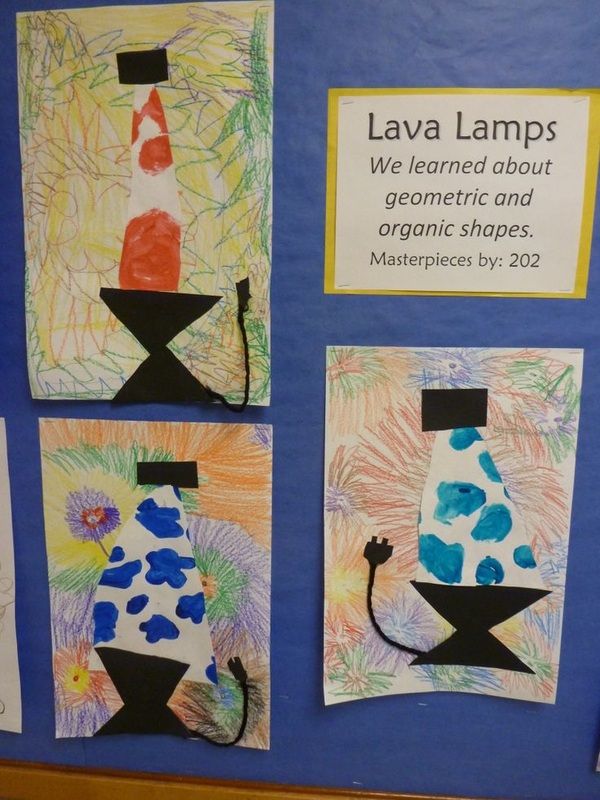


By rotating the displays and inviting peer feedback, educators foster a sense of pride and encourage students to analyze what makes each design uniquely effective or mesmerizing.
Linking to Themed Lessons
Lava lamp art elementary projects fit seamlessly into larger thematic units, such as earth science, ecosystems, or space exploration. A galaxy-themed jar might include silver glitter and dark paint, while an ocean-inspired version uses blue tones and seashell cutouts.
This flexibility allows teachers to align the activity with curriculum standards while still giving students room to express their personal artistic vision through color choices and decorative details.
Encouraging Collaboration and Reflection
Group work is a natural fit for lava lamp art elementary lessons, as students can share materials, discuss observations, and troubleshoot issues together. They might compare how different shapes affect bubble movement or how layering influences the final result.
Structured reflection prompts help children articulate what they noticed, what surprised them, and what they would try differently next time. This metacognitive practice deepens their understanding of both the artistic and scientific aspects of the project.
Documenting the Process
Taking photographs or short videos at each stage supports documentation and allows students to revisit their learning journey. Class discussions about time-lapse sequences can highlight the gradual nature of gas release and density shifts in a way that still images cannot capture alone.
Interactive science notebooks where children sketch their jars, record measurements, and note observations become a valuable resource for future review and for sharing with families during open house events.
Extending the Experience at Home
Families can recreate simplified versions of lava lamp art elementary projects using household items, turning a weekend activity into an opportunity for meaningful conversation. Parents can ask guiding questions about why the bubbles rise and what might happen if more tablet is added.
These at-home extensions reinforce school learning and encourage curiosity, showing children that science and art are present in everyday environments beyond the classroom walls.
When students create their own glowing worlds inside a jar, they build lasting memories that connect art, experimentation, and wonder, and they carry that excitement into future inquiry long after the bubbles have faded.
Related Articles

Easy Lava Lamp for Kids Step by Step Fun Science Magic
Creating a lava lamp with kids is a simple and mesmerizing way to turn a quiet afternoon into a burst of colorful discovery. This project mixes everyday...
Lava Lamp Art Project for Kids: Fun DIY Science Craft
Creating a lava lamp art project for kids brings together simple science, bright colors, and hands on wonder that feels almost magical. This activity turns...
Lava Lamp Art: Creative Fun for Kids and Adults
Lava lamp art activity offers a mesmerizing blend of science, creativity, and hands on fun that appeals to makers of all ages. This simple project transforms a...

How to Make a Simple Lava Lamp at Home: Easy DIY Tutorial
Creating a simple lava lamp at home is an exciting way to bring a relaxing and mesmerizing element into your personal space while understanding how density and...

Dino Pet Lamp: Adorable Glow Toys for Kids
The dino pet lamp has emerged as a charming blend of decor, comfort, and nostalgia, capturing the imagination of both children and adults. This illuminated...

How to Restore a Lava Lamp: Easy DIY Tricks
Over time, wax, color, and water can separate inside your beloved piece, causing dull streaks or a cloudy look that takes away from the hypnotic flow you...