Lava Lamp Art: Creative Lesson Plan
Designing a lava lamp art lesson plan opens a door to mesmerizing science and visual wonder for students of all ages. This engaging approach connects chemistry, physics, and creativity in a single, hands-on activity that feels like magic. Participants watch as blobs of color rise and fall in slow motion, sparking curiosity and inviting deeper questions. By turning this iconic visual effect into a structured lesson, educators can deliver memorable learning that feels more like play than instruction.
A strong lava lamp art lesson plan outlines clear objectives, simple procedures, and safety considerations that keep the experience both fun and meaningful. Teachers can highlight how temperature differences and density changes drive the motion inside the homemade lamps, turning a decorative classic into a dynamic teaching tool. This structure supports guided inquiry while giving students space for artistic expression and personal interpretation. The result is an experience that balances scientific rigor with colorful, tactile enjoyment.
Integrating Science Concepts with Creative Expression
Begin the lava lamp art lesson plan by introducing the core scientific ideas behind the motion, such as polarity, density, and heat energy transfer. Explain how water and oil separate based on their different densities, and how the addition of an effervescent tablet creates gas bubbles that carry colored liquid to the surface. As the bubbles reach the top and pop, the liquid sinks again, creating the signature rising and falling pattern that captivates observers.


Encourage students to journal their observations during the demonstration, noting how temperature affects bubble formation and movement over time. Use diagrams or simple drawings to map the flow of energy and matter inside the lamp, helping learners connect abstract concepts to visible phenomena. By pairing scientific explanation with reflection, the lesson supports both conceptual understanding and critical thinking skills.
Exploring Variables and Hypotheses
Within the lava lamp art lesson plan, invite learners to test small changes, such as using warm versus cold water or adjusting the amount of tablet used. Have them form hypotheses about how these variables will influence the speed, height, and duration of the blobs' movement. This experimentation phase turns the activity into a mini scientific investigation, promoting methodical thinking and careful observation.


Guide students to compare their predictions with the actual results, and discuss why certain expectations were accurate while others were not. Highlight how real scientists refine their models based on evidence, and encourage learners to revise their understanding in light of new data. These discussions reinforce the iterative nature of scientific inquiry and build confidence in analytical skills.
Artistic Interpretation and Design
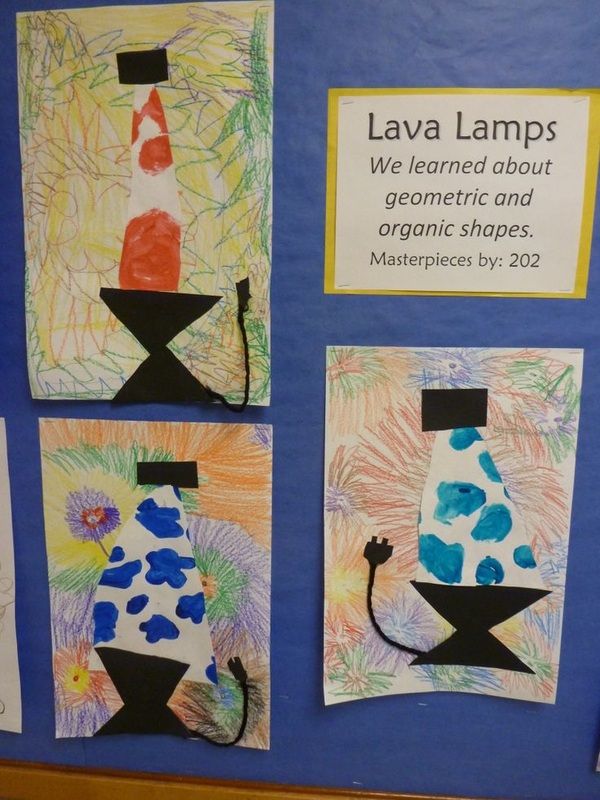
After the scientific exploration, transition into artistic design by having students plan their own lamp compositions, choosing colors, layering techniques, and container shapes. They can sketch their intended designs, considering how different oil-to-water ratios and lighting conditions will affect the final appearance. This step allows them to personalize the project while thinking ahead about cause and effect within the system.
During creation, emphasize that there are no strict rules, only thoughtful choices that impact how the lamp behaves and looks. Students can experiment with swirling patterns, glitter additions, or layered color sequences, documenting how each modification alters the motion and visual rhythm. The blend of planning, making, and revising nurtures both aesthetic sensibility and problem-solving abilities.



Practical Implementation and Classroom Management
Preparing materials for the lava lamp art lesson plan is straightforward, requiring clear containers, water, cooking oil, food coloring, and effervescent tablets such as Alka-Seltzer. Teachers should arrange workstations with protective coverings, gloves, and eye protection if needed, ensuring the environment stays safe and organized. Providing step-by-step visual instructions helps students move through the process independently while reducing confusion and wait times.
Consider grouping learners so that each team collaborates on a single lamp, encouraging shared responsibility and discussion. Circulate to prompt conversation about what is happening at each stage, asking probing questions that connect actions to scientific principles. This structure keeps engagement high while allowing the teacher to address misconceptions in real time.
Differentiation Strategies for Diverse Learners
To support varied skill levels, the lava lamp art lesson plan can include simplified instructions with picture cues for younger or less experienced students, while offering extension challenges for more advanced learners. Extensions might involve measuring exact volumes, timing bubble intervals, or researching other solvent combinations to test hypotheses. Providing choices in how students present their findings encourages ownership and accommodates different strengths.


For example, some groups may create a written lab report, others may produce a short demonstration video, and others may design an illustrated explanation poster. This flexibility ensures that all participants can access the content and demonstrate understanding in a way that feels meaningful to them. Differentiation also supports inclusive classroom culture by validating diverse approaches to learning.
Connecting to Broader Themes
Extend the lava lamp art lesson plan by linking the activity to larger themes such as environmental science, technology, or cultural history. Discuss how similar fluid dynamics appear in natural settings, such as ocean currents or volcanic activity, and explore how engineers apply these principles in real-world devices. Making these connections shows students that classroom experiments are part of a wider network of scientific understanding.
You might also incorporate storytelling or cross-curricular writing, asking learners to imagine a journey of a bubble inside their lamp or to describe the lamp as a tiny model of a living system. Integrating literacy and creativity with science deepens comprehension and helps students see knowledge as interconnected rather than fragmented. Such interdisciplinary links strengthen overall educational impact.
Thoughtfully designed, this lava lamp art lesson plan offers a rich blend of inquiry, creativity, and collaboration that resonates far beyond a single class period. Students leave with concrete memories, a better grasp of scientific reasoning, and an appreciation for how art and science inform one another. Taking the time to reflect, adapt, and share these experiences can inspire ongoing curiosity and confidence in every learner.
Related Articles
giant lava lamp art project creative diy room decor idea
The giant lava lamp art project captures the imagination with its slow, hypnotic choreography of glowing liquid. Unlike a standard desktop version, these...
Lava Lamp Art Lesson: Create Mesmerizing Masterpieces
Lava lamp art lesson brings together fluid dynamics, color theory, and hands on creativity in a single, mesmerizing classroom experience. This activity invites...

Lava Lamp Painting Ideas 10 Creative DIY Designs For Retro Home Decor
Transforming your living space with lava lamp painting ideas is a vibrant way to capture that slow, hypnotic flow in a static form. These projects let you...
Lava Lamp Art: Creative Fun for Kids and Adults
Lava lamp art activity offers a mesmerizing blend of science, creativity, and hands on fun that appeals to makers of all ages. This simple project transforms a...

DIY Lava Lamp with Paint: Easy & Creative
Have you ever wondered if you can make a lava lamp with paint instead of the classic oil and water mixture. This creative question opens the door to a fun...

Lava Lamp Ideas: 20 Unique & Creative Designs
Lava lamp ideas bring a wave of nostalgic charm and slow-moving magic into any space, turning ordinary rooms into cozy, hypnotic retreats. These classic mood...