The Ultimate Locker for High School Guide 2024
In the bustling corridors of high schools across the nation, one humble yet essential piece of infrastructure stands out: the locker. More than just a storage space, lockers have evolved to become an integral part of the high school experience, serving as a reflection of a student's personality and a hub of social interaction. Let's delve into the world of high school lockers, exploring their history, designs, and the role they play in students' lives.
High school lockers have come a long way since their inception in the late 19th century. Originally designed to store students' heavy books and belongings, these metal boxes have transformed to accommodate the digital age, now housing laptops, tablets, and an array of personal items. Today, lockers are not just functional but also a canvas for self-expression, adorned with stickers, posters, and personalized decorations.
Locker Design and Types
High school lockers come in various designs and types, each catering to different needs and preferences. The most common is the standard single-tier locker, offering ample space for textbooks and personal items. However, schools also provide double-tier lockers for students who prefer more space or have larger items to store.


For students involved in sports or extracurricular activities, there are sports lockers with built-in benches and hooks for equipment. Some schools also offer combination lockers, where students share a locker with a classmate, promoting a sense of community and shared responsibility.
Locker Customization
Lockers have become a canvas for students to express their creativity and individuality. From vibrant colors and inspirational quotes to intricate murals and pop culture references, each locker tells a story about its owner. Customizing lockers also helps students feel more connected to their school and fosters a sense of belonging.


Schools often organize locker decorating contests or provide designated "free locker" areas where students can unleash their artistic talents. These initiatives not only encourage self-expression but also create a more vibrant and engaging learning environment.
Locker Security and Technology
With the increasing use of digital devices in schools, locker security has become a paramount concern. Traditional combination locks have given way to more secure options like keyed locks and even biometric scanners. Some schools have adopted smart locker systems that use Bluetooth or RFID technology, allowing students to access their lockers using their smartphones.
These advanced locker systems offer enhanced security, convenience, and even data collection capabilities. For instance, they can track locker usage, helping schools optimize locker distribution and maintenance. Moreover, they can send notifications to students when they forget to lock their lockers or when there's a maintenance issue.


The Role of Lockers in High School Life
Beyond their functional purpose, high school lockers play a significant role in students' social and emotional lives. They serve as a meeting point for friends, a space to display achievements, and a sanctuary for personal belongings. For many students, their locker is an extension of their personal space, reflecting their interests, aspirations, and personality.
Lockers also facilitate a sense of community and belonging. They allow students to interact with each other, share experiences, and build relationships. For instance, students often gather around lockers before class, creating a lively and dynamic atmosphere that contributes to a positive school culture.
Locker Etiquette and Responsibilities
While lockers provide numerous benefits, they also come with responsibilities. Students are expected to keep their lockers clean, organized, and free from harmful or inappropriate materials. They should also respect their peers' lockers and personal space, maintaining a culture of mutual respect and courtesy.


Schools often provide guidelines on locker etiquette, encouraging students to take care of their lockers and use them responsibly. This not only promotes a clean and safe learning environment but also instills a sense of responsibility and accountability in students.
Locker Room and Locker Policy
Schools have locker rooms where students can change for physical education classes or extracurricular activities. These spaces are designed to provide privacy and comfort, with lockers equipped with hooks, benches, and sometimes even mirrors. Schools typically have a locker policy that outlines locker assignment, usage rules, and consequences for misuse.
Regular maintenance and inspection of lockers are crucial to ensure they remain functional, safe, and clean. Schools often have a system in place for reporting and addressing locker issues, fostering a proactive approach to maintaining the school's locker infrastructure.
As the school day winds down and students prepare to leave, the sight of lockers being slammed shut and backpacks being slung over shoulders signals the end of another day in high school. More than just a storage solution, high school lockers have become an integral part of the student experience, serving as a reflection of individuality, a hub of social interaction, and a symbol of the transition from childhood to adulthood. As schools continue to evolve, so too will the humble locker, adapting to meet the changing needs of a new generation of students.
Related Articles

Maximize Space: The Ultimate High School Locker Storage Guide
High school locker storage is often the unsung hero of the daily school routine, quietly managing the chaos of textbooks, coats, and personal items for...

Standard Locker Dimensions: The Ultimate Size Guide for 2024
Understanding standard locker dimensions is essential whether you are outfitting a new gym, renovating a school, or planning a renovation for your community...

How to Do a Formal High Ponytail: The Ultimate Step-by-Step Guide
Elevate your hairstyle game with a timeless classic: the formal high ponytail. This sleek and sophisticated look is perfect for any professional setting or...
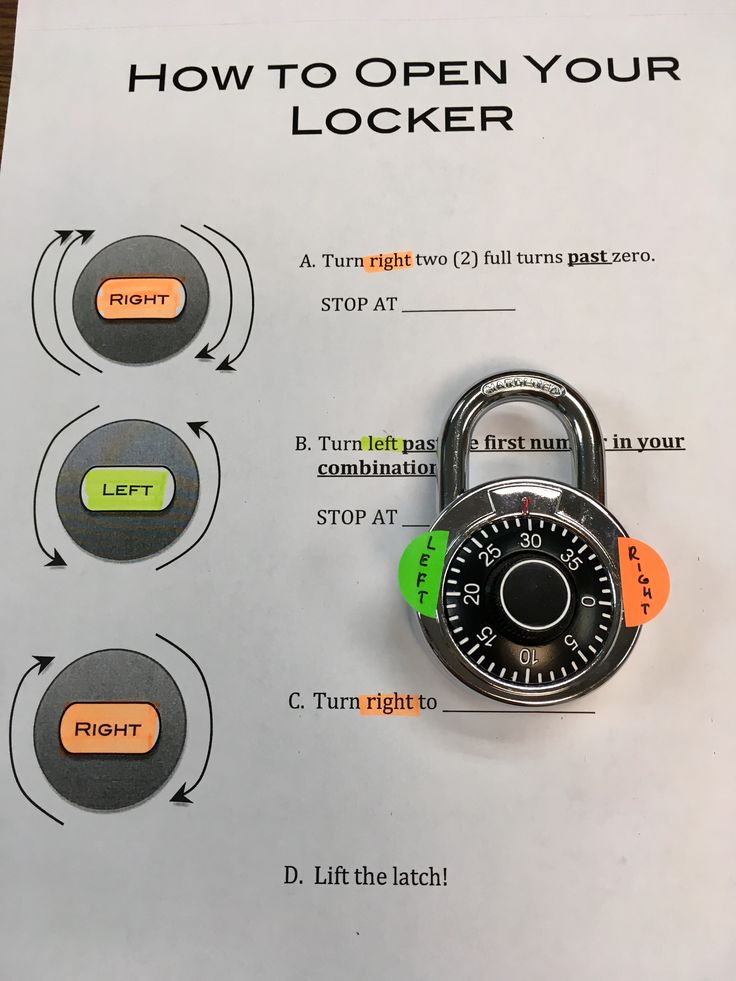
School Locker Lock Instructions: Step-by-Step Guide
Learning how to use a school locker lock correctly can save you time and stress during a busy day. These sturdy metal storage units line the hallways of most...

Find School Locker Locations Brisbane Fast Easy Guide
Finding the perfect school locker location in Brisbane can make a significant difference to your daily school routine. Not only does it help you stay...

High School Basketball Traveling Rules: A Comprehensive Guide
Understanding high school basketball rules on traveling is essential for players, coaches, and fans who want to grasp the fundamentals of the game. These...