Hilarious Locker Room Humor Examples That Score Big
Locker room humor represents a distinct style of comedy that thrives in casual, male-dominated spaces, often relying on exaggeration, irony, and a touch of rebellion to bond a group.
While the term itself suggests a location, this type of joking usually migrates to any environment where guys unwind, such as sports bars, gaming lairs, or online chat rooms, serving as a social lubricant that eases tension and builds camaraderie.
First Main Topic
Understanding locker room humor requires looking at its core purpose, which is often about testing boundaries and creating an in-group identity through shared laughter that might seem off-limits in polite company.


It frequently employs sarcasm, playful insults, and absurd storytelling, where the goal is less about being politically correct and more about generating a reaction that proves you can take a joke.
Sub-topic A
One defining characteristic is the use of outrageous and sometimes controversial topics to break the ice, turning mundane observations into hilarious and over-the-top scenarios that leave the listener either laughing or shaking their head.

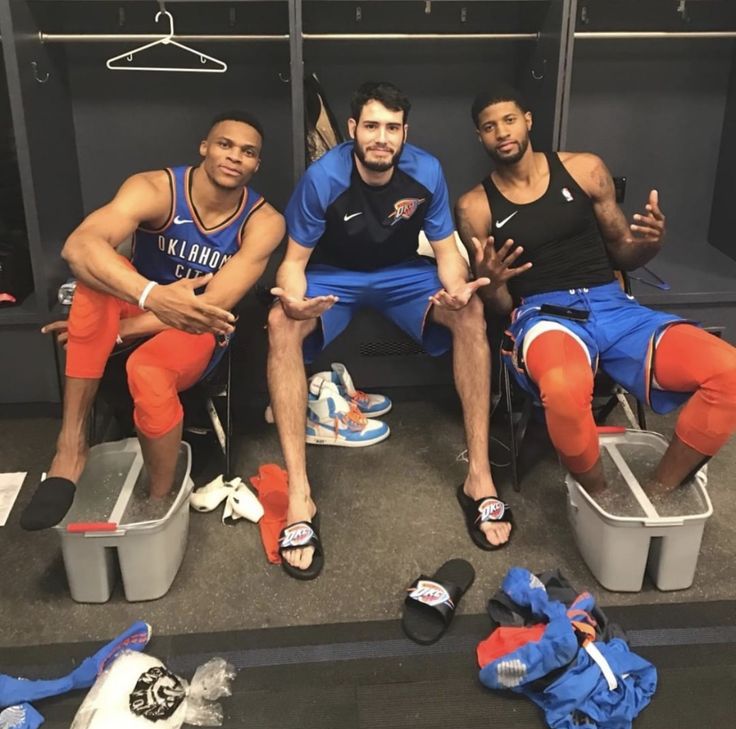

For example, a friend might dramatically describe a simple trip to the grocery store as an epic battle against parking lot zombies, complete with sound effects and dramatic pauses that turn the banal into the legendary.
Sub-topic B
Another common element involves playful bragging and hyperbolic tales of personal prowess, where ordinary events are inflated into near-mythical achievements to earn respect or simple entertainment.
A classic illustration is the story about catching a fish that is allegedly the size of a small car, told with complete conviction and detailed descriptions of the struggle, knowing full well that everyone in the room understands it is a clear work of fiction.


Second Main Topic
The evolution of this comedic style has been significantly influenced by digital communication, where memes, voice notes, and group chats have become new locker rooms for this specific brand of humor.
What was once confined to physical spaces now spreads rapidly across social media, often detached from its original context and reinterpreted by diverse online communities who appreciate the edgy and the irreverent.
Sub-topic C
Sports culture provides a rich vein of examples, where fans celebrate a stunning victory or lament a heartbreaking loss with jokes that are equal parts passionate and ridiculous.


You might hear a group of friends roasting their own team’s missed penalty by inventing elaborate conspiracy theories involving alien interference or bribed referees, turning disappointment into a shared comedic spectacle.
Sub-topic D
Pop culture also serves as prime material, as iconic movie scenes, viral videos, and celebrity scandals are quickly dissected and parodied with a unique blend of wit and crudeness.
Imagine a group rewatching a classic action film and suddenly pausing to mock the hero’s impossible stunt with sarcastic commentary about how they would have definitely failed in the same situation, complete with modern slang and relatable analogies.
Engaging with this style of comedy is about recognizing the delicate balance between humor and offense, where the best examples manage to be provocative without causing genuine harm.
It relies on an unspoken agreement among the participants that the jokes are part of the performance, a way to release steam and connect through shared laughter rather than to attack individuals or groups.
As these conversational styles continue to adapt to new audiences and platforms, the underlying human desire for connection and release through laughter remains constant, proving that even the most chaotic jokes can build unexpected bridges.
Observing how these interactions unfold in different contexts offers a fascinating look at how people use language to navigate social hierarchies and simply let loose without taking themselves too seriously.
Related Articles

Hilarious Locker Room Quotes Guaranteed To Score Big Laughs
Ever found yourself chuckling in the locker room, not just from the post-game banter, but from the hilarious one-liners and witty remarks that seem to echo off...

FSU Football Locker Room Jokes: Hilarious Stories from the Seminoles' Den
In the heart of Tallahassee, the Florida State University football team, the Seminoles, have carved a reputation not just for their gridiron prowess, but also...

Hilarious Garage Name Puns That Will Rev Up Your Humor
Ever found yourself chuckling at the cleverly named businesses you pass by? Garage owners have certainly upped their game when it comes to naming their...

Office Humor: Hilarious Jokes to Lighten Up Your Workday
Office jokes that are funny have a special way of turning a stressful workday into something more bearable and even enjoyable. A well-timed quip can break the...

Hilarious Football Team Nicknames That Score Big With Fans
Football team nicknames add a playful layer to the beautiful game, transforming official titles into memorable phrases fans chant with pride. While some clubs...

Hilarious Fun Christmas Video That Spreads Joy
With the holiday season in full swing, many families are searching for fresh ways to move beyond the standard photo slideshow and create a fun christmas video...