Delicious Meals for Picky Eaters Toddlers Easy Recipes
Navigating mealtime with a picky eater toddler can feel exhausting, but you are not alone in this challenge. Many parents face the frustration of a tiny nose wrinkling at new foods or a plate coming back almost untouched. The goal of this guide is to offer practical strategies and mealtime ideas that respect your child’s autonomy while gently expanding their palate. Understanding that this phase is often temporary can ease the pressure on both you and your little one.
Creating a positive environment around food is the foundation of every successful approach. When meals are relaxed and free from intense pressure, children are more likely to explore new tastes at their own pace. This article will walk you through structured strategies, easy recipes, and mindset shifts that turn stressful dinners into peaceful family moments. You will find specific guidance on handling common hurdles and adapting meals for different ages and preferences.
Understanding the Picky Eater Phase
Recognizing that pickiness is a normal stage of development can help you respond with patience rather than panic. Toddlers are asserting their independence, and food is one of the few areas where they feel they have control. This natural caution, often called food neophobia, protects young children by making them hesitant to try unfamiliar items.


Developmental readiness plays a big role in what your child accepts on their plate. Their digestive system is still maturing, and sensitivity to textures or flavors can be heightened. Knowing that this behavior is typical does not mean you have to resign yourself to serving chicken nuggets every night, but it does allow you to approach mealtimes with realistic expectations and compassion.
Normalizing Common Mealtime Behaviors
It is entirely normal for a toddler to love a food one day and reject it the next. This fluctuation does not mean your child is becoming a permanent picky eater; it simply reflects their changing moods, hunger levels, and comfort zones. Keeping a calm demeanor when faced with rejection helps your child feel safe rather than anxious about mealtime performance.


Short-term food journies are common as toddlers explore autonomy. They may cycle through phases where they crave simple carbohydrates or only want to eat what is familiar. By offering a predictable routine of balanced meals and snacks, you provide the structure they need while gently introducing new options without pressure.
Setting Realistic Expectations
Parents often hope for an instant transformation, but progress with picky eaters is usually gradual. A realistic goal is repeated exposure to a new food without the expectation of immediate consumption or enjoyment. Research suggests that it can take ten to fifteen encounters with a new food before a child feels comfortable enough to try it.
Focus on small victories rather than clean plates. Allowing your child to lick, touch, or play with a new food is a meaningful step in the learning process. These exploratory behaviors build familiarity and reduce fear, setting the stage for future acceptance without turning meals into battles.
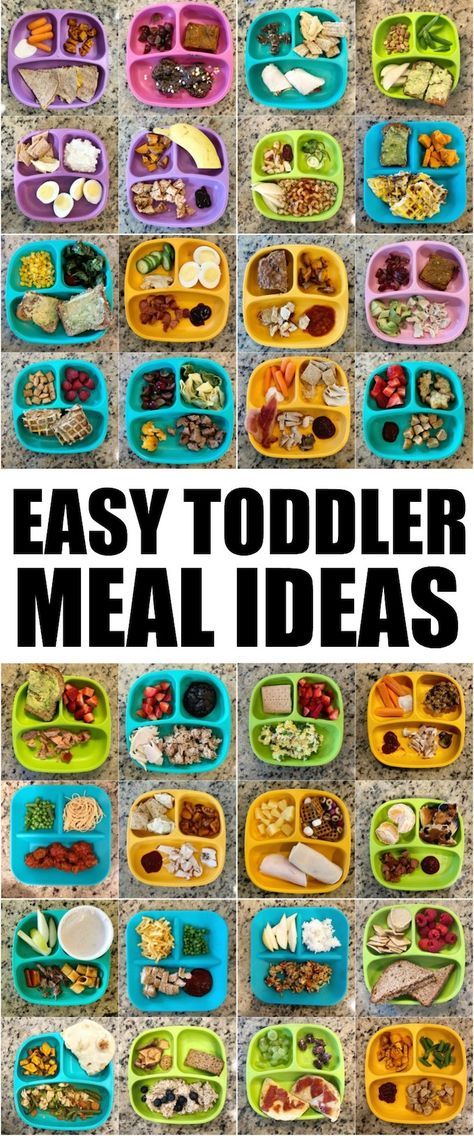


Building Balanced and Appealing Plates
Creating meals that please a picky toddler starts with balancing familiar favorites with gentle new introductions. A simple framework is to include a protein, a whole grain, and a fruit or vegetable on the plate, even if each portion is small. This ensures that your child receives adequate nutrition across the day, even if a single meal is light.
Visual appeal matters more than you might think. A colorful array of cut into fun shapes or served in a playful arrangement can spark curiosity. You do not need to become a gourmet chef; a few thoughtful tweaks in presentation can make the same ingredients feel exciting and inviting for a young child.
Easy Dinner Recipes the Whole Family Can Enjoy
Sheet pan meals are ideal for picky eaters because they require minimal prep and allow each family member to customize their portion. You can roast chicken, sweet potatoes, and broccoli together, letting your child choose which components go on their plate. The shared cooking process can also create opportunities for conversation and sensory exploration.


One-pot dishes like simple rice and lentil combinations or mild vegetable stews provide comforting textures and easy-to-manage flavors. By keeping seasonings mild and adding herbs or a squeeze of lemon for brightness, you create a versatile base that can be adjusted as your child’s preferences evolve.
Interactive Mealtime Strategies
Offering choices within a reasonable limit gives your toddler a sense of control while keeping the options nutritious. Asking whether they would like carrots or cucumbers, or apple slices or banana pieces, encourages decision making without overwhelming them. This strategy often leads to a higher likelihood of them at least trying the selected item.
Involving your child in simple cooking tasks can build positive associations with food. Washing vegetables, stirring mixtures, or pressing cookie cutters into dough provides hands on experience that demystifies new ingredients. Even small roles in the kitchen can increase curiosity and willingness to taste the final result.
Navigating Picky Eating Habits and Challenges
Dealing with a limited food list requires creativity and planning to ensure nutritional gaps do not develop. You can adapt familiar foods by sneaking in finely grated vegetables, using fortified flours, or adding protein powder to smoothies. These small adjustments help boost nutrition without triggering resistance from your child.
Managing social situations, such as birthday parties or family gatherings, calls for a flexible mindset. Bringing a familiar dish that your child enjoys ensures there is always at least one safe option. Communicating briefly with hosts about your child’s preferences can reduce stress and allow your toddler to participate in the celebration without feeling singled out.
Addressing Texture and Sensory Sensitivities
Some picky eaters are sensitive to the feel of food in their mouth, which can limit what they are willing to try. Offering a range of textures, from smooth mashed potatoes to crunchy roasted chickpeas, helps your child gradually build tolerance. Respecting their pace and avoiding forceful encouragement prevents negative mealtime associations.
Temperature and appearance can also influence acceptance. Serving foods at different temperatures or cutting them into novel shapes can make them more approachable. Presenting meals in divided plates or compartmentalized containers can provide structure for children who are overwhelmed by mixed dishes.
Creating Consistency Without Pressure
Consistency in meal timing and offering the same foods across multiple days creates a reliable routine that many picky eaters find comforting. When new foods appear alongside familiar favorites, the novelty feels less intimidating. This gentle repetition supports gradual exploration without demanding immediate interaction.
Avoiding pressure tactics, such as bribing or insisting on bites, preserves the trust and autonomy of your child. Instead, focus on modeling enjoyment, describing flavors in a neutral way, and remaining indifferent to refusal. Over time, this calm approach reduces anxiety and encourages your toddler to engage with food on their own terms.
Every small step forward, whether it is touching a new vegetable or taking a single lick, is meaningful progress in your child’s relationship with food. Trusting the process and celebrating these moments builds confidence for both you and your toddler. Continuing to offer a variety of options with patience and calm assurance sets the stage for a lifetime of curious and healthy eating.
Related Articles
Easy Recipes for Picky Eaters Toddlers Quick Delicious Meals
Mealtime with a toddler who is picky can feel like navigating a maze blindfolded, especially when they push away healthy food with a firm little hand. Every...

Delicious Meals for Picky Eaters Easy Recipes and Tips
Navigating meals for picky eaters can feel like a daily puzzle for parents, caregivers, and anyone supporting a selective appetite. Many people assume that a...

Easy Healthy Crockpot Meals Picky Eers Delicious Family Recipes
Preparing easy healthy crockpot meals for picky eaters can feel impossible, yet this method quietly solves dinner drama. The slow cooker uses low, steady heat...

Easy Simple Recipes for Picky Eaters: 10 Delicious Meals Everyone Loves
Cooking for picky eaters can often feel like a challenge, but it doesn't have to be. With a little creativity and some simple recipes up your sleeve, you can...
Dinner Recipes For Picky Eaters Kids Easy And Delicious Meals The Whole Family Will Love
Dinner time can feel like a daily battle when you are cooking for picky eaters kids who seem to have a strict no list that grows every week. Many parents worry...

Easy Winter Meals for Picky Eaters Simple Delicious Recipes
When the temperatures drop, and the snow starts to fall, the last thing you want to do is spend hours in the kitchen preparing a complex meal. But what if you...