Metal Shop Interior Wall Ideas 10 Creative Industrial Designs For 2024
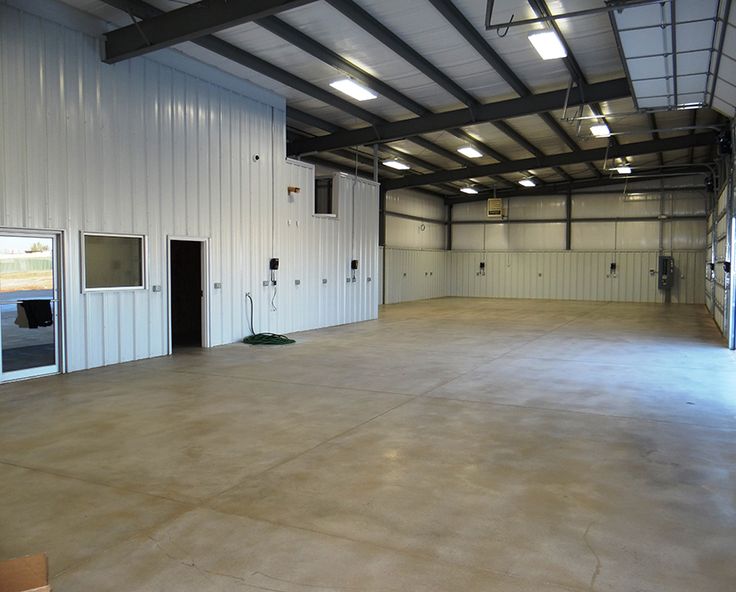
Creating a functional and stylish metal shop interior wall ideas begins with understanding the unique demands of the environment. A workshop that handles heavy machinery, metal dust, and occasional sparks needs walls that are as tough as the work being done inside.
Your choice of surface must resist scratches, dents, and chemical exposure while still providing a layout that enhances safety and productivity. The right approach turns a blank concrete or steel surface into a strategic asset that improves light reflection and organization.
Embracing Durable Finishes
When planning metal shop interior wall ideas, prioritizing durability is non-negotiable because the walls face impact and abrasion daily. Epoxy coatings are a top-tier solution, forming a seamless and chemical-resistant barrier that wipes down easily after grinding or welding.


Polymer-modified cementitious overlays offer a robust alternative, delivering the toughness of concrete with a slightly more forgiving texture. These finishes prevent the absorption of oils and solvents, which is essential for maintaining a hygienic and compliant workspace.
Polished Concrete
Polished concrete is a favorite for modern industrial settings because it creates a mirror-like finish that significantly boosts ambient light. By grinding and sealing the existing slab, you achieve a low-maintenance surface that feels cold and hard, qualities that are ideal for heavy-duty operations.


This treatment also resists staining from metal shavings and cleaning agents, ensuring the floor and wall visual plane remain consistent over time. The seamless nature of the finish eliminates corners where dust and grime could accumulate, supporting a cleaner environment.
Textured Coatings
If safety is a primary concern, textured coatings add a necessary level of slip resistance to wall bases and lower sections. These finishes can mimic the look of industrial tile or sandblasted profiles without the fragility of actual masonry.
You can apply these coatings to specific zones where fluids accumulate, creating a uniform look while maintaining practical functionality. The texture helps hide minor surface imperfections that might occur in a busy workshop environment.


Optimizing Organization and Utility
Beyond protection, metal shop interior wall ideas should focus on maximizing vertical space to keep tools and materials off the floor. Utilizing wall space for storage and workflow management creates a more efficient environment and reduces the risk of accidents.
Strategically placed panels and tracks allow you to reconfigure your layout as your projects evolve. This flexibility ensures that the walls actively contribute to the operational efficiency of the shop rather than just standing as barriers.
Slotted Metal Pegboard Systems
A slotted metal pegboard provides a rugged alternative to standard wire pegboard, offering superior strength for hanging heavy tools and equipment. The open design allows for easy visibility and access, which is crucial during fast-paced production runs.




You can integrate this system with hook and loop accessories or dedicated brackets to create a highly customizable storage wall. This setup keeps essential implements within arm's reach without cluttering worktables or floors.
Magnetic Tool Holders
Magnetic strips and bars are incredibly effective for organizing smaller metal tools like wrenches, screwdrivers, and measuring instruments. Because they are mounted directly on the wall, they free up valuable bench space and reduce search time during repairs.
The strong magnetic force ensures that even heavy tools stay securely in place, preventing them from falling and causing potential injury. This solution is particularly effective in areas where quick tool swaps are a daily occurrence.
Incorporating Visual Guidance
Using color and contrast on your walls can transform a chaotic shop floor into a well-oiled machine by guiding employee movement and defining work zones. Painted markings and signage create a visual language that enhances safety protocols.
This approach is especially useful in larger facilities where machinery layouts change or when specific areas require restricted access. Clear visuals reduce confusion and help maintain a high standard of operational order.
Safety Zone Marking
Bold striping or warning colors can delineate areas where heavy machinery operates or where overhead cranes travel. These visual cues alert personnel to potential pinch points and trip hazards before an incident occurs.
You can also use contrasting paint to mark the exact placement for heavy equipment, ensuring proper alignment during setup. This practice minimizes downtime caused by repositioning and promotes a professional standard of organization.
Shadow Boards and Tool Mapping
Shadow boards are a brilliant solution for tool organization, as they outline the exact shape of each tool on the wall. This makes it immediately obvious when a piece is missing, streamlining inventory checks at the end of the day.
By assigning a specific home for every tool, you instill discipline in the team and reduce the time wasted searching for misplaced items. The visual layout also serves as an excellent training aid for new employees.
Selecting the right combination of protective coatings, storage systems, and visual cues allows you to design a workspace that supports both intensity and precision. As your projects grow in complexity, your walls can evolve to meet new demands without requiring a complete overhaul. Taking the time to plan these surfaces carefully today will result in a space that operates smoothly and safely for years to come."
Related Articles

Pole Barn Shop Interior Wall Ideas Creative Designs储物分隔实用建议
Planning the interior of a pole barn shop opens up a world of practical creativity, allowing you to design a space that truly supports your work and hobbies...

DIY Metal Bed Frame Ideas Creative Headboard Designs Storage Platform Tutorials Modern Bedroom Iron Pipe Hacks rustic industrial loft style easy组装 guide
Creating a DIY metal bed frame is one of the most rewarding projects for anyone looking to upgrade their bedroom without breaking the bank. This approach...

25 Metal Wall Interior Design Ideas For A Stunning Industrial Look
Metal wall interior design ideas bring a bold, industrial edge that works surprisingly well in both modern lofts and cozy residential spaces. When used...

DIY Candy Dispenser Wall Ideas Creative Homemade Designs
Transform your candy-loving home into a sweet paradise with a DIY candy dispenser wall! This fun and functional project not only adds a touch of whimsy to your...

Modern Farmhouse Wall Trim Ideas 2024 Stylish Designs
Modern farmhouse wall trim ideas are transforming ordinary rooms into timeless, curated spaces that blend rustic charm with contemporary simplicity. This...

Modern Interior Railing Ideas 2024 Stylish Home Designs
In the dynamic world of home design, modern interior railing ideas have evolved to become not just functional, but also stylish and innovative. Today's...