Middle School Locker Room Rules: Essential Guide for Students and Parents
Navigating the middle school locker room can be an exciting yet daunting experience. It's a space where students store their belongings, socialize, and transition between classes. To ensure a safe, respectful, and organized environment, schools establish locker room rules. Let's delve into these guidelines, their importance, and how students can adhere to them.
Understanding and following locker room rules not only fosters a positive atmosphere but also promotes personal responsibility and respect for others. These rules are designed to maintain order, prevent damage to property, and ensure the safety and comfort of all students.
Respect and Responsibility
At the core of middle school locker room rules lies the principle of respect and responsibility. This includes respect for oneself, others, and school property.


Respect for oneself involves maintaining personal hygiene and ensuring one's belongings are kept neat and organized. This helps create a clean and pleasant environment for everyone. It also encourages students to take pride in their personal space and the shared locker room.
Personal Hygiene
Proper hygiene is crucial in a shared space like the locker room. This includes showering regularly, washing hands thoroughly, and disposing of waste appropriately. Schools may provide guidelines on how often students should shower or change clothes, and it's essential to follow these for the health and comfort of all users.


Using deodorant, brushing teeth, and keeping personal items clean also contribute to a pleasant locker room environment. If a student notices an unpleasant odor, it's important to address it respectfully with the person involved, or inform a teacher or counselor if the issue persists.
Respect for Others' Space
Respect for others' space involves understanding that each student has their own locker and personal belongings. It's important to keep one's hands to oneself and never touch or move someone else's things without permission. This helps prevent theft, damage, and misunderstandings.
Bullying or harassment of any kind is strictly prohibited in the locker room. This includes verbal abuse, physical intimidation, or any behavior that makes another student feel uncomfortable or unsafe. If a student witnesses or experiences bullying, they should report it to a trusted adult immediately.


Locker Use and Organization
Locker use is a privilege that comes with responsibility. Students are entrusted with a space to store their belongings, and it's important to use it wisely and respectfully.
Each student is assigned a locker for a reason. Using someone else's locker without permission is a violation of their personal space and can lead to confusion or lost items. If a student forgets their combination or has a problem with their locker, they should notify a teacher or the school office for assistance.
Locker Organization
Keeping one's locker organized ensures that belongings are easily accessible and the locker room remains tidy. This includes using shelves, hooks, or other organizers to keep items neat and off the floor. It also means not overloading the locker with unnecessary items that could be stored elsewhere.


Regularly cleaning out one's locker is also important. This helps prevent the buildup of clutter, odors, or pests. Schools may have specific guidelines on how often lockers should be cleaned, and it's essential to follow these to maintain a healthy and pleasant environment.
Locker Room Etiquette
Locker room etiquette involves respectful behavior that ensures everyone feels comfortable and safe. This includes dressing and undressing modestly, using appropriate language, and being mindful of others' privacy.
Dressing in the locker room should be done modestly and quickly. Students should change in a respectful manner, avoiding unnecessary exposure or inappropriate behavior. If a student feels uncomfortable with the level of modesty in the locker room, they should speak to a trusted adult about it.
Respectful language is crucial in the locker room. Using profanity, derogatory language, or slurs is not allowed. Students should use language that is appropriate for a school setting and respectful of all individuals.
Finally, it's important to remember that the locker room is a shared space. Students should be mindful of others' privacy and give them the same respect they would like to receive. This includes not staring, not taking photos without permission, and not engaging in behavior that could make someone feel uncomfortable or unsafe.
By understanding and following these rules, middle school students can help create a safe, respectful, and organized locker room environment. This not only benefits them but also fosters a positive school culture that values personal responsibility, respect, and community.
Related Articles
Middle School Locker Designs: Inspiring Ideas for Students
Choosing the right locker designs for middle school is a pivotal decision that impacts daily organization and personal confidence. At this unique age, students...

Middle School Locker Decoration Ideas Creative Trendy Designs for Students Organization 2024
Transforming a plain middle school locker into a personalized space can be an exciting and creative project. Not only does it allow students to express their...
Locker Decorations Ideas for Middle School: Trendy Designs & DIY Hacks
Middle school is such a transformative time, and the way students personalize their spaces can say a lot about their growing sense of self. A locker is more...

Mastering Living Room Rug Placement: Essential Rules
Creating a harmonious and inviting living room often starts with the strategic placement of your area rug. This versatile piece not only adds warmth and...

How to Grow a School Garden: A Complete Guide for Parents and Teachers
Transforming a patch of school ground into a thriving garden can be an incredibly rewarding experience. Not only does it provide an opportunity for students to...
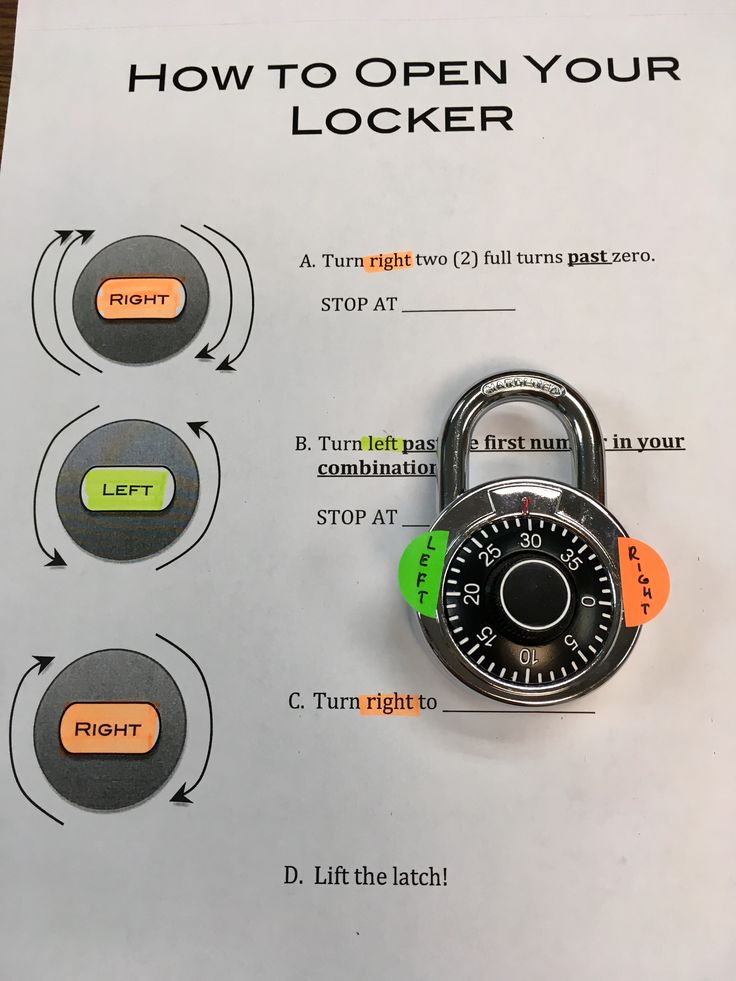
School Locker Lock Instructions: Step-by-Step Guide
Learning how to use a school locker lock correctly can save you time and stress during a busy day. These sturdy metal storage units line the hallways of most...