Nature Activities for Elementary Students
Immerse your elementary students in the wonders of nature with engaging, educational activities that foster curiosity and respect for the environment. These hands-on, minds-on experiences promote learning, creativity, and a lifelong appreciation for the great outdoors.
Nature activities for elementary students offer a wealth of benefits, from enhancing cognitive skills and fostering social interactions to encouraging physical activity and instilling environmental awareness. By incorporating these activities into your teaching plan, you'll create lasting memories and inspire a new generation of eco-conscious citizens.
Exploring the Great Outdoors
One of the most enriching nature activities for elementary students is exploring the great outdoors. This could be as simple as a walk in a local park or a more adventurous hike in a national park. Either way, it's an opportunity for students to observe and learn about the natural world firsthand.


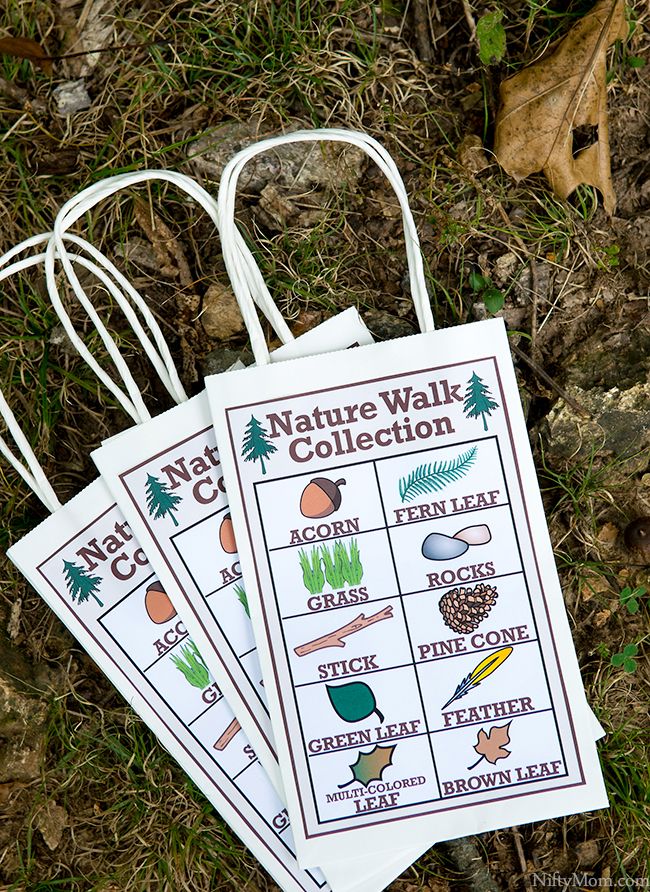
Before setting off, prepare a simple scavenger hunt or bingo card with items found in nature, such as different types of leaves, rocks, or birds. This encourages students to engage with their surroundings and helps them remember what they've seen.
Nature Journaling
Nature journaling is an excellent way to encourage students to observe, reflect, and record their experiences in the outdoors. Provide each student with a notebook and pencils, and encourage them to sketch, write, or draw what they see, hear, and feel. This activity promotes creativity, critical thinking, and language skills.


To make nature journaling more engaging, introduce the concept of "sit spots." Assign each student a specific spot to sit quietly for a set period, observing and recording their surroundings. This helps students develop patience, focus, and a deeper connection to nature.
Storytelling in Nature
Storytelling in nature combines language arts with outdoor exploration. Before heading outside, read a story with a nature theme, such as "The Giving Tree" by Shel Silverstein or "The Lorax" by Dr. Seuss. Then, have students create their own nature-inspired stories, either individually or in small groups.
Encourage students to use their senses to describe the setting, characters, and plot. This activity promotes creativity, imagination, and a deeper understanding of the natural world. Plus, it's a fun way to engage students who may not typically enjoy writing or reading.


Gardening for Little Green Thumbs
Gardening is a hands-on, educational activity that teaches students about plant life cycles, ecosystems, and the importance of caring for the environment. It also promotes responsibility, patience, and a sense of accomplishment when they see their hard work bear fruit, literally!
Start with a simple vegetable or flower garden. Provide each student with a small plot of land or a large pot, and guide them through the process of planting, watering, and caring for their plants. Explain the importance of composting and recycling, and how these practices help create a healthier garden and planet.
Planting and Growing Seeds
Planting and growing seeds is a fascinating process that teaches students about the life cycle of plants and the importance of patience. Before planting, discuss the different parts of a seed and what they need to grow. Then, have students plant their seeds in small pots or directly in the garden.


Encourage students to observe and record the growth of their seeds over time. This can be done through drawings, photographs, or written descriptions. This activity promotes scientific inquiry, observation skills, and a deeper understanding of plant life cycles.
Creating a Wildlife Habitat
Creating a wildlife habitat is an engaging way to teach students about the needs of local wildlife and the importance of biodiversity. Start by discussing the different types of wildlife in your area and their habitats. Then, brainstorm ways to make your schoolyard or garden more welcoming to these creatures.
Some ideas include planting native plants, creating a bird feeder or birdbath, or building a small pond. Encourage students to observe and record the wildlife that visits their habitat. This activity promotes environmental awareness, critical thinking, and a sense of responsibility for the natural world.
By incorporating these nature activities into your teaching plan, you'll create a dynamic, engaging learning environment that fosters curiosity, creativity, and a lifelong love of learning. So, get outside, explore, and inspire your students to appreciate and protect the natural world.
Related Articles

Engaging Workshop Ideas for Elementary Students: Fun Learning Activities
Workshop ideas for elementary students open a world of joyful discovery, turning everyday lessons into hands-on adventures that spark curiosity. These...

Fun Calendar Ideas For Elementary Students Creative And Educational Activities
Creating calendar ideas for elementary students is a wonderful way to blend structure with creativity in the classroom. A well-designed calendar can help young...

Spooky Halloween Art Activities For Elementary Students Fun And Easy Projects
As the leaves turn and the air grows crisp, elementary students eagerly anticipate Halloween, a time for costumes, candy, and creativity. This festive season...

Fun Holiday Games for Students: Festive Activities to Learn and Play
As the holiday season approaches, students often find themselves balancing end of term responsibilities with the desire to relax and reconnect with friends...

Fun Holiday Games For High School Students SEO Friendly Activities
As the holiday season approaches, high school students eagerly await the break from routine. While the holidays are a time for relaxation and celebration, it's...

Festive Christmas Spirit Day Ideas For Elementary School Fun Activities
Christmas Spirit Day is an eagerly anticipated event in elementary schools across the globe. It's a time when the magic of the holiday season fills the air...