Delicious Non-Alcoholic Drink Recipes Mocktails No Beer cocktails
The concept of a non non alcoholic drink represents a fascinating shift in how people experience social moments and personal wellness today. More individuals are searching for beverages that capture the feeling of tradition without the presence of alcohol, leading to a surge in thoughtful alternatives. This exploration covers the landscape of sophisticated options that respect personal choice, religious guidelines, or health objectives while maintaining a sense of occasion. Understanding this category reveals how modern hydration can align with a mindful and inclusive lifestyle.
Beyond simple substitution, a non non alcoholic drink offers a canvas for flavor, ritual, and connection that was often missing from the alcohol-free scene. Consumers are no longer limited to basic sodas or flat water; they now have access to complex botanical infusions, zero-proof spirit alternatives, and elaborately crafted mixers. The market has responded by focusing on quality ingredients and genuine craftsmanship that rival their alcoholic counterparts.
The Rise of Mindful Consumption
One of the primary drivers behind the popularity of a non non alcoholic drink is the growing emphasis on mindful consumption across different demographics. People are becoming more intentional about what they ingest, considering factors such as calorie content, sugar levels, and overall ingredients. This awareness extends to social events where the pressure to consume alcohol can be significant, making sophisticated alternatives increasingly desirable.


Health and wellness objectives also play a crucial role in this movement. Individuals who are training for athletic events, managing medications, or simply pursuing a healthier lifestyle often seek beverages that support their goals without compromising on taste experience. A non non alcoholic drink allows them to participate in toasts and gatherings without feeling excluded or tempted, supporting a balanced approach to social interaction.
Zero Proof Spirits and Botanical Blends
The development of zero proof spirits has revolutionized the non non alcoholic drink market, offering complex profiles previously absent from the category. These distillates use botanicals, herbs, and spices to mimic the layered notes of gin, whiskey, or rum, providing a robust base for mocktails. The result is a beverage with depth, aroma, and a satisfying complexity that appeals to connoisseurs and casual drinkers alike.


Another significant trend within this space is the focus on functional ingredients. Many modern non alcoholic drinks incorporate adaptogens, nootropics, or calming botanicals to offer benefits beyond simple hydration. This fusion of pleasure and purpose resonates with consumers who view their beverage choices as an extension of their self-care routine, enhancing the appeal of a non non alcoholic drink as a daily ritual.
Cultural and Religious Traditions
For many, the choice to enjoy a non non alcoholic drink is deeply rooted in cultural or religious practices that discourage alcohol consumption. Beverages that respect these traditions while offering the sensory experience of toasting are invaluable. They enable individuals to fully engage in ceremonies, festivals, and family meals without compromising their beliefs or feeling like observers.
The halal and kosher markets have also seen innovation in this sector, with producers ensuring that their processes and ingredients meet strict certification standards. This attention to detail builds trust and provides peace of mind, encouraging broader adoption. As a result, the availability of a trusted non non alcoholic drink has become a significant factor in maintaining cultural identity in modern social settings.


Craftsmanship and Flavor Innovation
Gone are the days when an alcohol-free option meant settling for a simple juice spritzer. Today's market is defined by meticulous craftsmanship, with artisans applying techniques from the culinary world to create a non non alcoholic drink that is an experience in itself. Fermentation, cold brewing, and intricate layering of botanicals are just some methods used to build robust flavor profiles.
This push for innovation is also visible in the collaboration between chefs, mixologists, and beverage creators. Restaurants and bars are curating extensive zero-proof menus that pair with their culinary offerings, ensuring that non-drinkers have a premium experience. These developments highlight how a non non alcoholic drink is evolving from a niche product to a central element of modern gastronomy.
The Art of the Non alcoholic Cocktail
The modern mocktail is a far cry from the basic Shirley Temple, embracing the same principles of balance, texture, and presentation as traditional cocktails. Using premium juices, artisanal syrups, and visually striking garnishes, these drinks focus on the interplay of acidity, sweetness, and bitterness. A well-crafted non non alcoholic drink can be as complex and rewarding as any cocktail served in the same glass.
Spritzes and aperitif-style drinks have also seen a resurgence in the alcohol-free format. Bitter liqueur alternatives and effusive top-ups create a familiar ritual for those transitioning from alcoholic aperitifs. This category demonstrates how a non non alcoholic drink can seamlessly integrate into existing cultural habits without requiring sacrifice.
Sustainability and Ethical Sourcing
Conscious consumers are increasingly looking at the broader impact of their purchases, and the beverage industry is responding. Many producers of a non non alcoholic drink prioritize sustainability in their sourcing, opting for organic ingredients, eco-friendly packaging, and reduced water usage. This alignment with environmental values adds another layer of appeal to an already attractive product.


Transparency in the supply chain is another ethical concern driving brand loyalty. Consumers appreciate knowing where their ingredients come from and how they are produced. Brands that communicate their ethical practices effectively often find a dedicated audience willing to support their mission, reinforcing the importance of a genuine non non alcoholic drink in the current market.
As the landscape of beverages continues to evolve, the non non alcoholic drink stands as a testament to innovation meeting demand for inclusivity and wellness. The growing sophistication of these options ensures that anyone seeking a moment of pause, reflection, or simple enjoyment can find a suitable and satisfying alternative. Exploring these possibilities opens up a world of flavor and ritual that complements modern life beautifully.
Related Articles

Delicious Party Drink Dispenser Recipes Non Alcoholic Mocktails Ideas
Looking for fun and refreshing non-alcoholic drink ideas for your next party? You've come to the right place! We've compiled a list of delightful and...
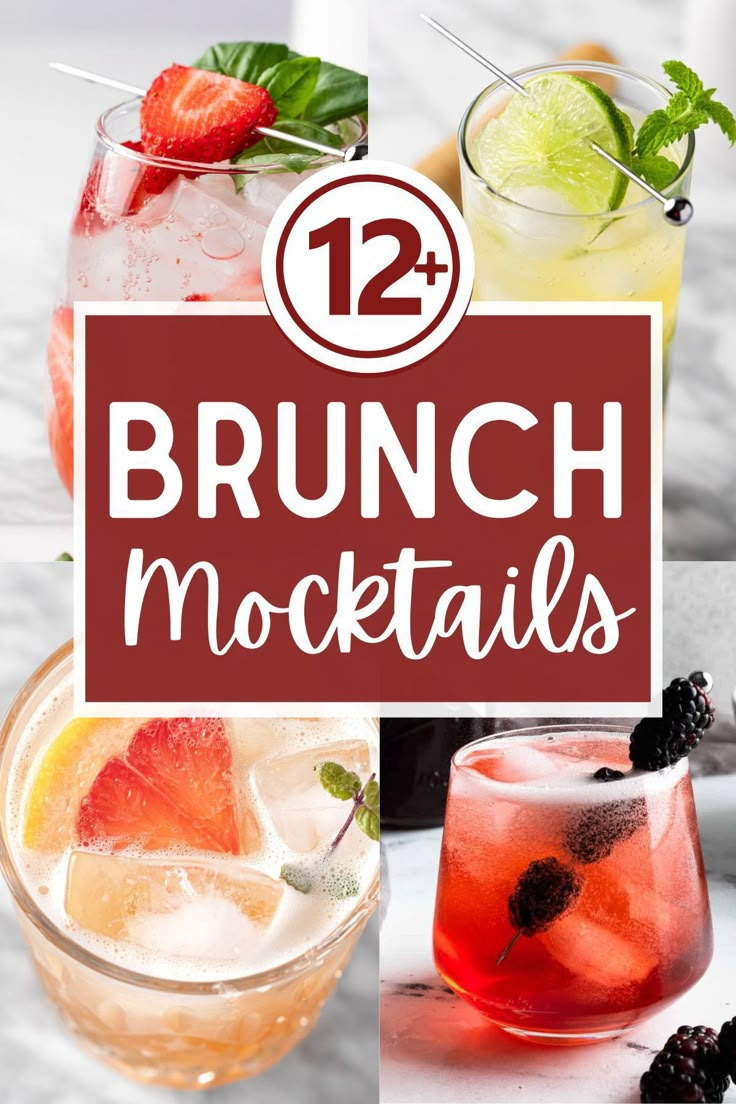
Sparkling Non Alcoholic Brunch Cocktails Recipes Mocktails
Non alcoholic brunch cocktails are redefining the way we gather over midday meals, offering a refined alternative to sugary sodas and simple water. These...

Hawaiian Punch Non-Alcoholic Drink Recipes
Thinking of hosting a family-friendly party or just want a refreshing, non-alcoholic beverage to enjoy on a sunny day? Hawaiian Punch is not just a popular...

Delicious Non Alcoholic Punch Drinks Recipes Mocktails
Non-alcoholic punch drinks have become increasingly popular, offering a vibrant and flavorful alternative to traditional alcoholic beverages. These punches are...

Bridal Shower Drink Names Ideas Refreshing Recipes Themed Mocktails cocktails
Planning a bridal shower is an exciting task, and one of the most delightful aspects is choosing the perfect drinks to celebrate the occasion. From classic...

Ultimate Brunch Alcohol Drink Recipes Cocktails Mocktails Trends
Brunch, a delightful fusion of breakfast and lunch, has evolved into a social phenomenon, and so has its libations. While the traditional mimosa has long been...