Nuclear Shell Model Definition Unveiling The Magic Number Secrets
The nuclear shell model, a cornerstone of nuclear physics, is a theoretical framework that describes the structure of atomic nuclei. It's a model that has stood the test of time, providing a robust explanation for the observed patterns in nuclear stability and decay. But what exactly is the nuclear shell model, and how does it work? Let's delve into this fascinating concept, exploring its origins, key principles, and applications.
At the heart of the nuclear shell model lies the idea that nucleons (protons and neutrons) occupy energy levels, or shells, much like electrons in an atom. This model was first proposed by Maria Goeppert-Mayer and Hans Jensen in the 1940s, and it revolutionized our understanding of the nucleus.
The Magic Numbers and Nuclear Shells
The nuclear shell model is built upon the concept of 'magic numbers.' These are numbers of protons or neutrons that make a nucleus particularly stable. The first few magic numbers are 2, 8, 20, 28, 50, 82, and 126. Nuclei with these numbers of protons or neutrons are exceptionally stable, and their stability can be explained by the nuclear shell model.


According to the model, nucleons occupy energy levels, or shells, in a similar way to how electrons occupy energy levels in an atom. The first shell can hold 2 nucleons, the second shell can hold 8, the third 20, and so on. When a shell is completely filled, the nucleus is particularly stable, hence the term 'magic number.'
Proton Shells and Neutron Shells
The nuclear shell model distinguishes between proton shells and neutron shells. Proton shells determine the chemical properties of an element, as they dictate the number of electrons in the atom. Neutron shells, on the other hand, primarily influence the nuclear properties, as they affect the stability and decay of the nucleus.


For instance, the isotope Helium-4 (2 protons, 2 neutrons) is exceptionally stable due to its filled proton and neutron shells. This stability is reflected in its high binding energy per nucleon and its resistance to fusion.
The Spin-Orbit Force
A key aspect of the nuclear shell model is the spin-orbit force. This force causes nucleons with different spins to occupy different energy levels, even within the same shell. This leads to the splitting of energy levels into sub-shells, much like in the electronic configuration of atoms.
This spin-orbit force is responsible for the unique stability of certain nuclei, such as the doubly magic nucleus Helium-4. In this nucleus, both protons and neutrons occupy the lowest possible energy levels, leading to a particularly stable configuration.


The Nuclear Shell Model and the Periodic Table
The nuclear shell model provides a unifying framework for understanding the structure of the periodic table. The magic numbers correspond to the number of protons or neutrons in stable nuclei, and they mark the boundaries between the different periods and groups in the periodic table.
For example, the first period of the periodic table ends at Helium (2 protons), the second period ends at Neon (10 protons), and so on. This is because these elements have a filled proton shell, making them particularly stable and chemically inert.
The Island of Stability
The nuclear shell model also helps predict the existence of the 'island of stability,' a region in the periodic table where superheavy elements are predicted to be relatively stable. These elements, with Z > 104, are beyond the reach of current experimental techniques, but their existence is supported by the nuclear shell model.


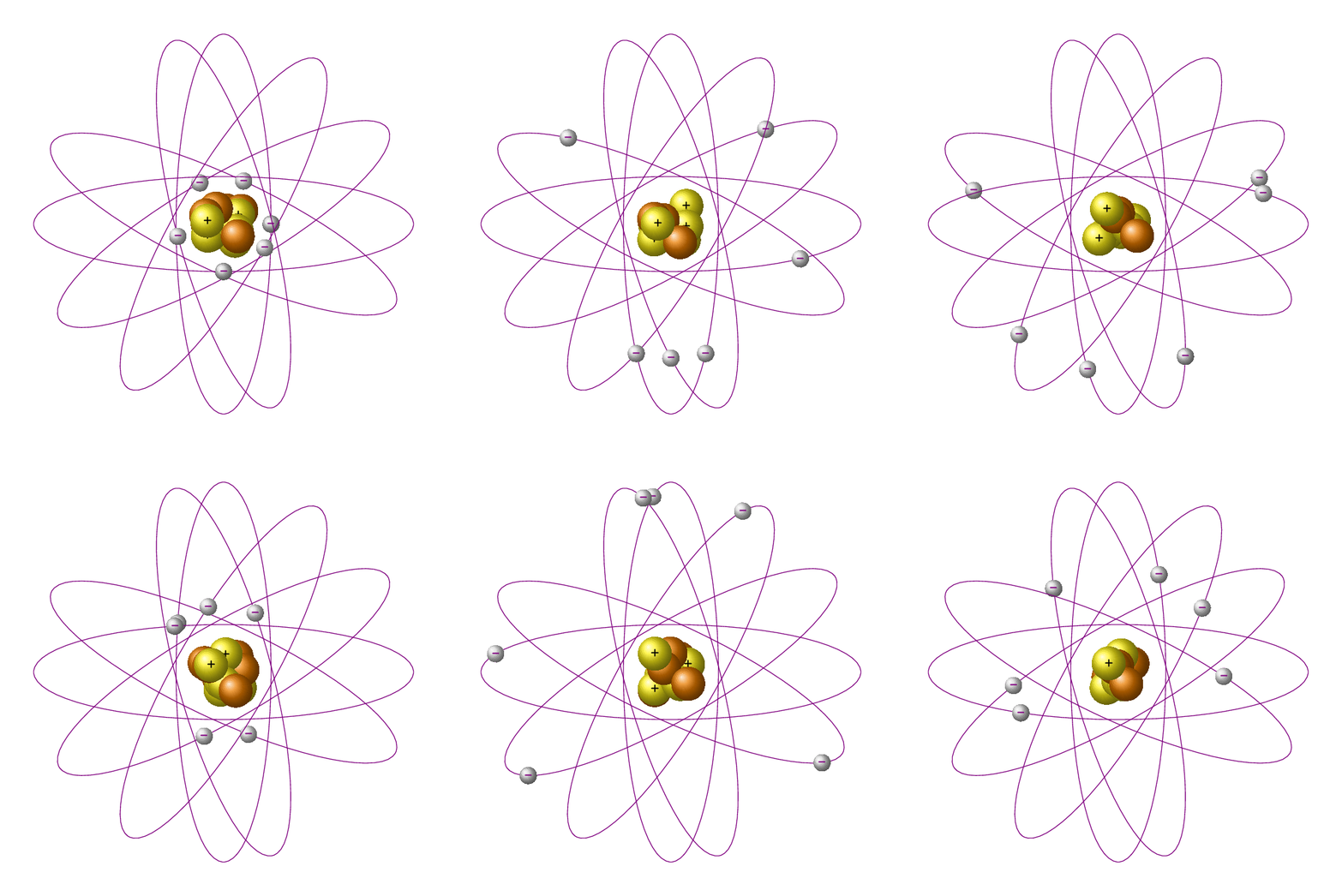


According to the model, these superheavy elements should have filled proton and neutron shells, leading to increased stability. The discovery of these elements would be a significant milestone in nuclear physics, further validating the nuclear shell model.
The Limitations of the Nuclear Shell Model
While the nuclear shell model has been incredibly successful in explaining the structure of nuclei, it's not without its limitations. The model breaks down for very light nuclei, where the independent particle picture is no longer valid. Additionally, it struggles to account for complex nuclear phenomena, such as nuclear deformation and pairing correlations.
Moreover, the model doesn't provide a complete picture of the nucleus. It doesn't account for the strong nuclear force that holds the nucleus together, nor does it explain the detailed structure of nuclear levels. However, it remains an invaluable tool for understanding the basic structure of nuclei and predicting their properties.
The nuclear shell model has been a cornerstone of nuclear physics for decades, providing a robust framework for understanding the structure of atomic nuclei. As our understanding of the nucleus continues to evolve, so too will our models. But for now, the nuclear shell model remains a powerful tool, guiding our exploration of the subatomic world and paving the way for future discoveries.
Related Articles
Nuclear Shell Model Chemistry Definition Unveiling The Atomic Secrets
The nuclear shell model, a cornerstone of nuclear chemistry, is a theoretical framework that describes the arrangement of protons and neutrons within atomic...
Nuclear Shell Model Simple Definition Explained Easily
The nuclear shell model, a cornerstone of nuclear physics, provides a simple yet powerful way to understand the structure of atomic nuclei. It's akin to the...

Shell Model Analysis: Unveiling Nuclear Structure
Shell model analysis serves as a cornerstone framework for understanding the structure and behavior of atomic nuclei in modern nuclear physics. This powerful...

Understanding the Hypothesis in the Shell Model: Definition and Examples
In nuclear physics, the hypothesis in the shell model serves as a foundational proposition that explains the internal structure of atomic nuclei. This concept...

Shell Model Explained: Unraveling Nuclear Structure
The shell model, a fundamental concept in nuclear physics, is a way to understand the structure of atomic nuclei. It's like a blueprint that helps us visualize...
Nuclear Shell Model Energy Levels Diagram Explained Aufbau Chart Pauli Principle
The nuclear shell model, a cornerstone of nuclear physics, provides a comprehensive understanding of nuclear energy levels. This model, proposed by Maria...