Old School Locker Lock: Vintage Security for Your Belongings
An old school locker lock represents a specific moment in time when physical security felt simple, heavy, and entirely mechanical. These rugged devices were the standard in schools, gyms, and health clubs for decades, built to endure daily abuse from countless users. Even with the rise of digital technology and smart gadgets, many people still feel a sense of nostalgia when they hear the distinctive click of the dial. Understanding the mechanism, history, and practical care for these locks helps explain why they remain so enduringly popular.
The classic design of an old school locker lock focuses on durability and straightforward operation, avoiding delicate electronic parts. The housing is typically made of hardened metal, designed to resist damage from drops, impacts, and attempts at tampering. Inside, a simple internal mechanism aligns pins and tumblers only when the correct combination is entered, providing reliable security without the need for batteries. This sturdy construction is the primary reason these locks continue to function long after the plastic on modern accessories has cracked.
The Mechanics of a Classic Lock
The inner workings of an old school locker lock rely on a precise arrangement of driver pins and key pins that create a shear line. When the dial is turned, it moves a complex set of discs, each with different internal pin sizes that must align perfectly. Only when every disc is correctly positioned can the plug rotate freely, opening the shackle and securing personal items. This mechanical precision is the foundation of the lock's legendary reliability and resistance to picking.


Dial Combination Systems
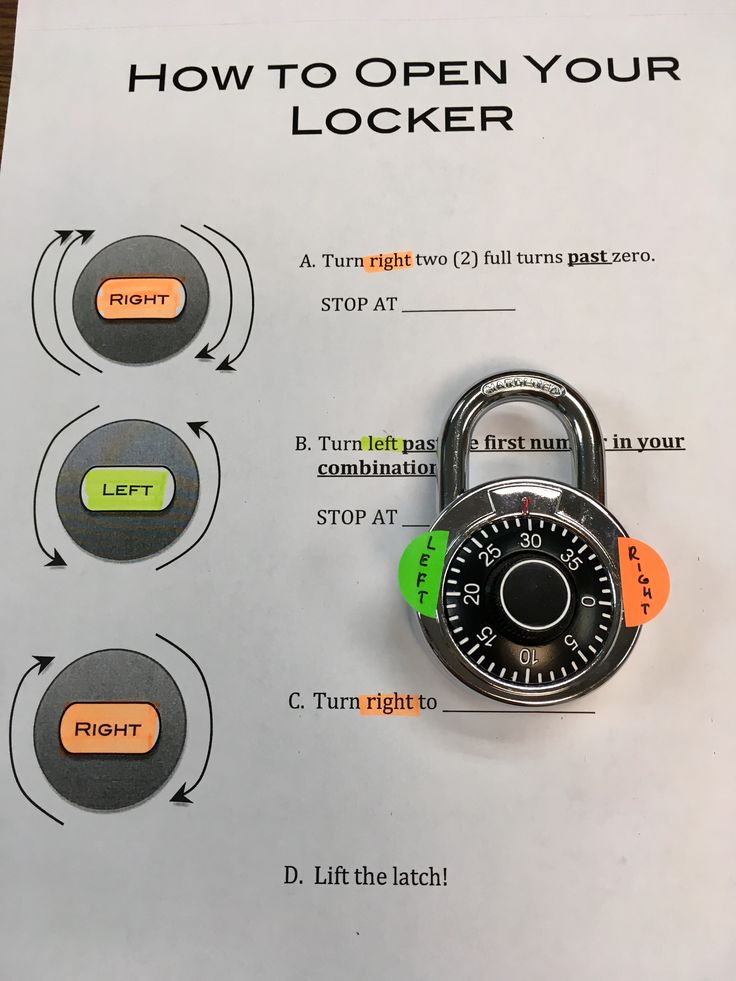
Most old school models use a three-number combination entered in a specific direction, usually clockwise, counter-clockwise, and then clockwise again. Each number corresponds to full rotations of the dial that move internal components into precise alignment. The tactile feedback of hearing and feeling the gates click into place gives users a satisfying physical confirmation that the code is correct. This straightforward interface requires no memorization of intricate steps, making it accessible for users of all ages.
Resetting and Maintenance
Performing basic maintenance on an old school locker lock can extend its life significantly, especially in dusty or humid environments. Regularly turning the dial back and forth prevents the internal pins from sticking due to dirt or moisture accumulation. If the lock becomes difficult to open, a small amount of graphite powder, never oil, can be applied to the keyway or combination dial to smooth the movement. Avoid harsh chemicals, as they can degrade the plastic cover and potentially cause the internal mechanisms to corrode over time.


Cultural Impact and Modern Relevance
The presence of these locks in educational institutions created a distinct school culture centered around personal storage and quick access to belongings. Students developed muscle memory for spinning dials and pulling down on locker handles, turning a daily chore into a shared experience. Even today, the sight of these metal boxes lined up in hallways evokes a powerful sense of nostalgia for a simpler era of education. Their iconic status ensures that they remain a recognizable symbol of institutional discipline and personal space.
Security in Physical Spaces
In environments like swimming pools and health clubs, an old school locker lock provides a low-tech barrier that deters opportunistic theft. Thieves generally look for easy targets, and the presence of a robust metal lock signals that the contents are not worth the extra effort. The physical act of securing a backpack or wallet with a shackle creates a psychological sense of safety for the user. This visual deterrent is often more effective than more complex systems in casual, high-traffic areas.
Design Aesthetics and Function
The visual design of these locks has remained largely unchanged because the utilitarian shape is highly functional, combining form with rugged utility. The smooth dials, thick shackle, and solid body communicate strength and purpose without unnecessary ornamentation. Modern reproductions often retain these classic design elements to appeal to customers seeking a reliable and vintage look. This timeless aesthetic ensures that the lock complements a wide variety of locker models, from antique wood to modern composite materials.


Comparison with Contemporary Options
While electronic keypads and fingerprint scanners offer convenience, they often introduce points of failure that the old school locker lock avoids entirely. Electronic locks can run out of battery, malfunction in wet conditions, or suffer from software glitches that leave users locked out. The mechanical nature of the classic lock means that as long as the shackle retains its shape, the device will continue to function. This independence from technology is a significant advantage for users who prioritize reliability over modern features.
Choosing to use one of these dependable devices is a decision to value simplicity and proven engineering over fleeting trends. They represent a hands-on approach to security that requires no updates, charging cables, or technical support. By maintaining the core principles of mechanical design, these locks continue to serve as a trusted line of defense for personal property. Embracing this enduring tool allows you to secure your valuables with the reliable, time-tested confidence that only decades of proven performance can provide.


Related Articles

Old School Locker Key Nostalgia Vintage Charm Meets Modern Security Solutions
In the vast landscape of school memorabilia, few items evoke nostalgia quite like the old school locker key. This humble piece of metal, often adorned with...

Small Lock for School Locker: Best Compact Security Picks
In the bustling world of education, maintaining security and organization is a top priority. One essential tool for this is the humble yet robust small lock...
School Locker Lock Instructions: Step-by-Step Guide
Learning how to use a school locker lock correctly can save you time and stress during a busy day. These sturdy metal storage units line the hallways of most...
Retro Old School Lockers: Vintage Storage Solutions
Step back in time to the hallowed halls of yesteryear, where the humble old school locker stood sentinel, a symbol of youth, growth, and the passage of time...

Middle School Locker Decorating Ideas: How to Personalize Your Space
Decorating a locker for middle school is a creative way to express your personality and make your daily routine more enjoyable. Your locker is more than just a...

Vintage Old School Lockers For Sale Retro Metal Locker Cabinets Online
In the realm of vintage and retro decor, old school lockers have emerged as a timeless and functional piece of furniture. Originally designed for schools and...