Pool Tarp Tape: The Ultimate Solution for Leak-Free Swimming
Pool tarp tape is a specialized sealing solution designed to create a waterproof barrier across pool openings and seams. Whether you are preparing for the off-season, performing maintenance, or protecting a vulnerable area, this tape provides a reliable way to block water entry. The material is engineered to adhere strongly to surfaces while remaining flexible enough to handle the natural movement of the surrounding structure. Understanding the function and proper application of this tape is essential for any pool owner looking to maintain a dry and secure environment around their pool.
Unlike standard duct tape, pool tarp tape is built to withstand harsh outdoor conditions, including UV exposure, temperature fluctuations, and constant moisture. It typically features a strong adhesive backing that bonds well to vinyl, plastic, and metal surfaces common in pool construction. The backing is often made from reinforced polyester or polypropylene, giving it the necessary strength to resist tearing. This combination of durability and adhesion makes it a preferred choice over generic alternatives that might fail when exposed to pool chemicals or weather.
Material Composition and Weather Resistance
The core of any quality seal relies on the material composition of the pool tarp tape. Most high-grade tapes use a thick plastic film that is both waterproof and resistant to chemical degradation. This film is laminated or coated to ensure that pool sanitizers like chlorine do not break down the adhesive or backing over time. The tape must maintain integrity through seasons of exposure, making material selection a critical factor for long-term success.


Polyethylene and Vinyl Alloys
Many manufacturers utilize a blend of polyethylene and vinyl alloys to create a surface that is slick and resistant to staining. This smooth surface prevents dirt and debris from embedding into the tape, which can compromise the seal. Because the surface does not absorb water, the tape dries quickly and remains clean throughout its lifespan. This property is particularly valuable for maintaining a professional appearance on visible seams or covers.
UV Stabilizers and Plasticizers
To combat the damaging effects of direct sunlight, pool tarp tape is often treated with UV stabilizers that prevent brittleness and cracking. Plasticizers are also added to keep the material flexible, ensuring that the tape accommodates the natural expansion and contraction of the pool structure. These additives work together to extend the usability of the tape, allowing it to perform reliably through multiple seasons of use without becoming dry or rigid.


Application Techniques for a Secure Seal
Proper installation is just as important as the quality of the tape itself when securing a pool cover or sealing a vulnerable joint. A clean, dry surface is required to ensure maximum adhesion, as dirt or moisture can create weak points that lead to leaks. Applying even pressure with a roller or squeegee helps to eliminate air bubbles and ensure full contact between the adhesive and the surface. Following the manufacturer’s guidelines for overlap and tension will result in a more durable and effective barrier.
Surface Preparation and Cleaning
Before applying the tape, it is crucial to remove any algae, scale, or chemical residues from the area. A thorough cleaning with a mild detergent and fresh water ensures that the adhesive bonds correctly. Lightly sanding rough edges or irregularities can also improve adherence, particularly on older concrete or metal surfaces. Taking the time to prepare the surface reduces the likelihood of the tape peeling away during heavy rain or high winds.
Overlap and Sealing Edges
When sealing large covers or connecting separate sections, overlapping the tape correctly is vital to prevent water from seeping through the gaps. The edges should be pressed down firmly, and a roller can be used to activate the adhesive fully. It is also important to avoid stretching the tape too tightly, as this can cause it to contract and pull away once the pool structure shifts. Maintaining consistent tension while smoothing the tape ensures a uniform seal that moves with the building materials.




Common Uses in Pool Maintenance
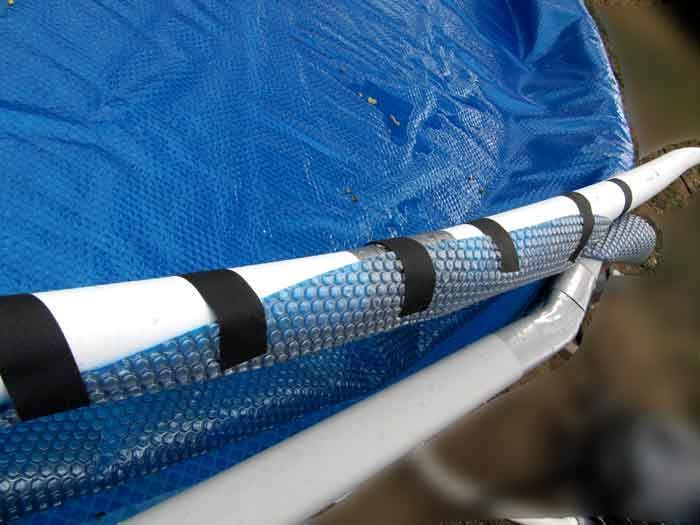
Pool tarp tape is commonly used to secure winter covers, preventing rainwater and debris from accumulating in the pool during the off-season. It is also used to patch small tears in vinyl liners or to reinforce weak seams that show signs of stress. In commercial settings, this tape helps to maintain the integrity of large aquatic structures where quick, temporary repairs are necessary. Its versatility makes it a staple tool for both professional maintenance teams and dedicated homeowners.
Winterizing Above-Ground Pools
Above-ground pools benefit significantly from the use of pool tarp tape during the winter months. The tape is applied around the skimmer and wall joints to block cold water from seeping into the structure. By creating a tight seal, it helps to prevent the expansion of trapped water from damaging the walls or liner. This application not only protects the equipment but also reduces the amount of spring cleaning required when the pool is reopened.
Repairing Vinyl Liners and Patch Kits
For minor damage to vinyl liners, pool tarp tape acts as an immediate patch until a permanent repair can be made. The tape adheres strongly to wet or damp surfaces, which is ideal for emergency fixes after a storm or accidental tear. It provides a temporary barrier that holds water inside while you prepare for a more extensive repair. This quick solution helps to maintain water chemistry and prevents further deterioration of the liner material.


Choosing the Right Product for Your Needs
Not all tape is created equal, and selecting the right product depends on the specific conditions the seal will face. Look for tape that is specifically labeled for pool use, as these products are tested against chemicals and weathering. Consider the thickness of the backing and the strength of the adhesive when comparing options. Investing in a premium product often saves time and money by reducing the need for frequent replacements or repairs.
Width and Roll Size
The width of the tape determines how much surface area you can cover with each application, which is important for large seams or cover seams. A wider tape may be more efficient for covering broad joints on a pool cover, while a narrower tape offers precision for tight corners and detailed work. The length of the roll is also a practical consideration, as longer rolls reduce the number of seams you need to create during installation. Balancing these factors ensures that you are prepared for any sealing task.
Adhesive Type: Permanent vs. Removable
Some tapes are designed for permanent bonding, while others offer a removable hold that can be adjusted or replaced easily. Permanent adhesive provides the strongest seal and is ideal for structural repairs or long-term cover storage. Removable options are better suited for situations where the tape may need to be taken off without leaving residue or damaging the surface. Understanding the difference helps you choose the right product for the specific job at hand.
Selecting the appropriate pool tarp tape and applying it correctly can dramatically improve the longevity and performance of your pool equipment and covers. By focusing on material quality, surface preparation, and proper installation techniques, you ensure that your seal remains intact through the harshest conditions. Taking a proactive approach to maintenance with the right tools saves effort and protects your investment over time. Exploring the right solutions today will keep your pool environment secure and efficient for years to come.
Related Articles

Backyard Pond & Swimming Pool Combo: Your Ultimate Summer Oasis
Transforming your outdoor space with a backyard pond swimming pool offers a luxurious escape just steps from your back door. This feature combines the serene...

Ultimate Swimming Pool Accessories List for Kids 2024
Creating a safe and joyful swimming environment for children involves more than just a sturdy pool and proper swimwear; it requires a curated selection of...

Splash Into Summer: The Ultimate Swimming Pool Gift Basket for Relaxation and Fun
A swimming pool gift basket is an elegant way to celebrate the joy of water and relaxation in any backyard oasis. This curated collection turns an ordinary day...

Turn Tarp into Pool: DIY Swimming Pool Setup
Building a swimming pool with a tarp is an innovative approach that combines affordability with practical do it yourself appeal. This method transforms a...

How to Build a Natural Swimming Pool: The Ultimate PDF Guide
Embracing the beauty of nature and sustainability, building a natural swimming pool is an increasingly popular choice for eco-conscious homeowners. Unlike...

Backyard Tarp Tent: Ultimate DIY Guide
Spending more time outdoors has never looked this practical, thanks to the modern backyard tarp tent. This simple shelter solution turns an ordinary yard into...