Pumpkin Patch Bulletin Board Kindergarten Ideas FallDecor Crafts
In many early childhood classrooms, a pumpkin patch bulletin board kindergarten serves as a warm invitation to explore the season. Teachers use this familiar farm scene to connect stories, science, and art in a way that feels cohesive and engaging. The visual richness of orange gourds, green vines, and smiling faces creates an instant anchor in the classroom environment. Students return to this display daily, building routines and emotional familiarity through repetition.
A well designed pumpkin patch bulletin board kindergarten supports early literacy, language development, and social interaction. Children point to pictures, retell simple narratives, and expand their vocabulary as they describe the elements on the board. The teacher can add question prompts and labels that encourage curiosity and turn the display into an interactive tool. By aligning themes with seasonal events, educators make learning feel immediate and relevant to young learners.
Design Elements and Layout Ideas
Color coordination is essential when planning a pumpkin patch bulletin board kindergarten, with warm earth tones creating a calming yet festive atmosphere. Using different shades of orange, brown, and green helps children notice subtle variations and practice descriptive language. Teachers can layer construction paper, fabric, and printed clip art to add texture and depth to the scene. Thoughtful placement of items such as suns, clouds, and fences provides structure without overwhelming the visual field.


Space management plays a key role in ensuring that every student can see and interact with the pumpkin patch bulletin board kindergarten. The board should be placed at a child friendly height, with larger elements in the center and smaller details along the edges. Clear pathways around the display prevent congestion during transitions and allow small groups to gather comfortably. By considering sight lines and accessibility, teachers support inclusive participation for all children.
Color Palette and Visual Hierarchy
Selecting a strong color palette helps guide children’s attention to the most important parts of the pumpkin patch bulletin board kindergarten. Dominant orange tones for the pumpkins can be balanced with neutral background colors to create contrast. Accents of yellow, red, and brown can represent leaves, stems, and the earth, adding complexity without chaos. Consistent use of color for labels and signs supports emerging readers as they connect sounds with familiar images.


Visual hierarchy ensures that focal points like the title or central pumpkin are noticed first, while supporting details remain visible but less prominent. Larger, bolder elements can be placed at the top or center, with smaller illustrations and text arranged around them in a logical flow. Teachers may use borders or frames to separate sections, helping children understand how the scene is organized. This thoughtful arrangement reinforces concepts of size, position, and sequence in a concrete way.
Interactive Components for Students
Adding interactive components transforms a static pumpkin patch bulletin board kindergarten into a hands on learning station. Velcro backed pieces allow children to move pumpkins, leaves, and characters to create new scenes and solve simple problems. Question cards and response slots invite students to write or draw their ideas, promoting reflection and communication. These features encourage repeated visits to the board, strengthening memory and fine motor skills over time.
Personalization elements, such as photo cutouts or name tags, help children see themselves in the classroom environment. When students contribute their own pumpkins or leaves to the display, they develop a sense of ownership and pride. Collaborative tasks like counting seeds or tracing shapes on the board support early math and writing goals. By blending play with purposeful practice, teachers turn the bulletin board into a dynamic extension of their curriculum.


Curriculum Connections and Learning Goals
A pumpkin patch bulletin board kindergarten naturally aligns with seasonal science units focused on plant growth, harvest, and changes in nature. Teachers can introduce concepts like parts of a pumpkin, life cycles, and weather patterns using the visual cues on the board. Simple charts and diagrams help children compare sizes, estimate numbers, and observe similarities and differences. This integration of literacy, math, and science makes abstract ideas more concrete and memorable.
Social emotional learning is another powerful area where the pumpkin patch bulletin board kindergarten can make a meaningful impact. Images of cooperation, sharing tools, and caring for plants can prompt discussions about empathy and responsibility. Teachers may highlight examples of friendship and teamwork, using the characters on the board to model appropriate behavior. By connecting academic content with values education, the display supports the holistic development of each child.
Language and Literacy Development
Story prompts and picture sequences on the pumpkin patch bulletin board kindergarten encourage children to create their own narratives about the patch. Teachers can model sentence structure and new vocabulary, then invite students to repeat and expand on these phrases. Labeled objects support word recognition, while rhyming games based on pumpkin, stump, and jump reinforce phonological awareness. These activities build a strong foundation for future reading success.


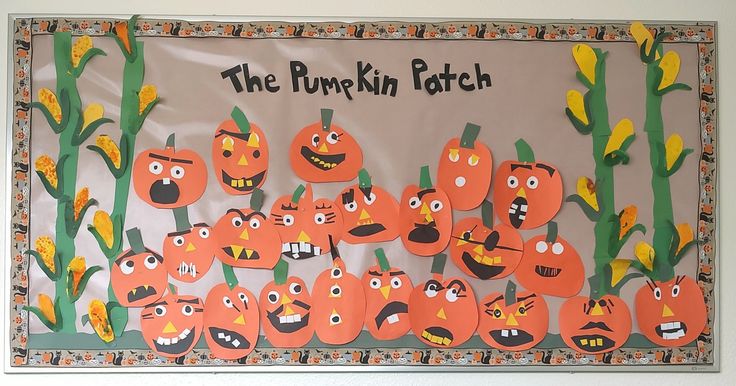


For English language learners, the visual nature of the board provides crucial context for understanding new words and expressions. Pointing to images while speaking helps connect sounds with meanings, reducing anxiety around participation. Bilingual labels and simple phrases can be added to validate home languages and promote inclusivity. Over time, the board becomes a familiar reference that supports confidence in both speaking and comprehension.
Math and Science Exploration
Early math skills can be practiced through activities related to the pumpkin patch bulletin board kindergarten, such as counting seeds, comparing heights, and sorting shapes. Children can use the images as a reference when completing simple addition or subtraction tasks with manipulatives. Graphing favorite pumpkin colors or predicting which pumpkin is heaviest turns abstract concepts into tangible experiences. These playful investigations strengthen logical thinking and number sense.
Science lessons can focus on how pumpkins grow, what they need from soil and sun, and the role of farmers in harvesting. The board can display real life photos alongside drawings, helping children distinguish between observation and imagination. Simple experiments, like measuring how quickly a pumpkin rots or testing which objects float, can be introduced using the display as a launching point. By linking hands on exploration with visual supports, teachers nurture curiosity and scientific reasoning.
As classrooms evolve with new themes and interests, the pumpkin patch bulletin board kindergarten can adapt to remain engaging and effective. Teachers may refresh elements throughout the season, adding student work or updating charts based on ongoing observations. This flexibility keeps the learning environment responsive and encourages children to see their contributions as valuable. By treating the board as a living document, educators foster a culture of continuous discovery and collaboration.
Related Articles

Fun Pumpkin Patch Crafts For Preschoolers Easy DIY Ideas
Spending time at a pumpkin patch crafts for preschoolers turns a simple outing into a rich learning adventure that little hands and minds will remember for...
Fun Pumpkin Patch Art Ideas for Kids Creative Autumn Crafts
Creating pumpkin patch art for kids is a joyful way to celebrate the harvest season while sparking imagination. These hands-on projects turn simple vegetables...
Creative Pumpkin Patch Board Ideas for Your Next DIY Project
Pumpkin patch board ideas bring the cozy charm of the harvest season straight into your home, turning everyday walls into warm focal points. These displays are...

Charming Pumpkin Patch Bulletin Board Set Decor Fall Autumnal Rustic Chic Eco Seasonal Classroom Bulletin Board Sets
The pumpkin patch bulletin board set brings the cozy magic of the harvest season straight into your home or classroom. This themed collection typically...

Pumpkin Art Ideas for Kindergarten: Fun and Easy Crafts for Kids
Engaging kindergarten children with pumpkin art ideas for kindergarten opens a colorful door to seasonal creativity and hands-on learning. These activities...

Charming Pumpkin Patch Bulletin Board Printable Templates For Fall Decor
Finding a simple, joyful way to display seasonal notes and family memories is a goal many busy parents and teachers share. A pumpkin patch bulletin board...