"10 Creative Recycling Ideas for Your Home"
In the quest to preserve our planet, recycling has emerged as a powerful tool. By transforming waste into valuable resources, we can significantly reduce our environmental footprint. But recycling isn't just a responsibility for industrial facilities; it's a practice that can be seamlessly integrated into our daily lives at home. Let's explore some innovative recycling ideas that can help you create a more sustainable living environment.
Recycling at home isn't just about sorting your waste; it's also about finding creative ways to reuse and repurpose items. This not only reduces waste but also adds a personal touch to your space. So, let's dive into some practical and engaging recycling ideas for your home.
Repurposing Old Furniture
Before you discard that old chair or dresser, consider giving it a new life. Upcycling furniture is a rewarding way to reduce waste and add character to your home. With a little sandpaper, paint, and imagination, you can transform outdated pieces into stylish, unique furniture.


For instance, an old ladder can be turned into a bookshelf, while an old dresser can become a beautiful planter box for your herbs or flowers. The possibilities are endless, limited only by your creativity.
DIY Planters
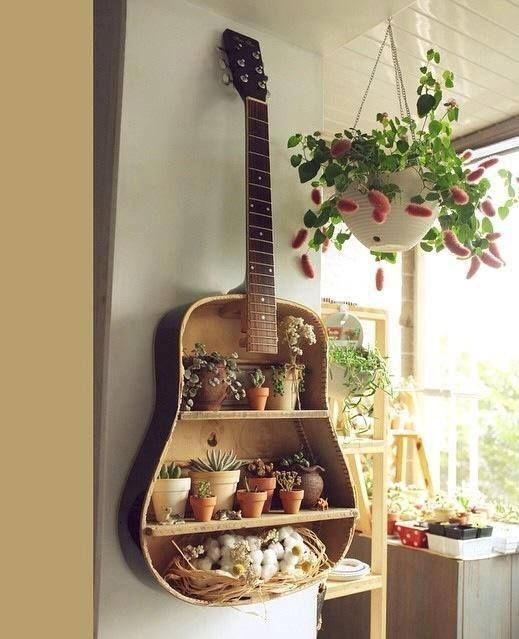
Plants not only add a touch of nature to your home but also help improve air quality. Instead of buying new planters, why not create your own using recycled materials? Used cans, bottles, or even old boots can be transformed into quirky planters.


For a more polished look, consider using glass jars or bottles. Simply clean them, drill a few drainage holes, and fill with soil. You can even paint them to match your decor. Remember, the key to successful upcycling is to think outside the box.
Art from Waste
Art can be created from almost anything, and recycling waste materials is a great way to create unique, eco-friendly art pieces. Old CDs can be turned into dazzling mosaics, while empty wine bottles can be transformed into stunning vases or candle holders.
Even something as simple as a piece of driftwood can become a beautiful sculpture with a little creativity. So, the next time you're about to throw something away, pause and consider its artistic potential.




Kitchen Waste Management
The kitchen is often the heart of the home, but it can also be a significant source of waste. However, with a few simple changes, you can turn your kitchen into a waste-reducing powerhouse.
Composting is one of the most effective ways to manage kitchen waste. By turning food scraps into nutrient-rich fertilizer, you're not only reducing waste but also helping your plants grow. It's a win-win situation.
Composting Basics
Composting is a natural process where organic materials are broken down by microorganisms. To start, you'll need a compost bin and a mix of 'greens' (fruit and vegetable scraps) and 'browns' (leaves, cardboard, etc.). Maintain a balance of these materials, keep the pile moist, and turn it regularly to aerate.


Within a few months, you'll have rich compost ready to use in your garden. It's a rewarding process that's surprisingly simple once you get the hang of it.
Beeswax Wraps
Single-use plastic wrap is a significant source of waste in the kitchen. But there's a sustainable alternative: beeswax wraps. Made from beeswax, cloth, and tree resin, these wraps are a natural, reusable alternative to plastic wrap.
To use, simply mold the wrap around a bowl, cover a dish, or wrap around food. The warmth of your hands will activate the adhesive properties of the beeswax. When you're done, wash the wrap with cool water and mild dish soap, and let it air dry. With proper care, beeswax wraps can last up to a year.
Incorporating recycling into your daily life at home isn't just about sorting waste; it's about finding creative ways to reduce, reuse, and repurpose. By embracing these recycling ideas, you're not only helping the environment but also adding a unique touch to your living space. So, let's all strive to make our homes greener, one recycled item at a time.
Related Articles

Stair Baseboard Ideas: 15 Creative Ways to Enhance Your Home
Transforming the base of your staircase into a stylish and functional space doesn't have to be a daunting task. With the right stair baseboard ideas, you can...

Diy Driveway Barrier Pvc Creative Ideas To Keep Your Home Safe And Secure
DIY driveway barrier PVC is a practical and affordable solution for homeowners looking to enhance security and define property edges. This method leverages...

Walmart Floor Lamp Upcycle Creative DIY Ideas For Your Home
Turning a humble Walmart floor lamp into a statement piece is one of the most satisfying upcycling projects for the modern home. Instead of sending a slightly...

Wire Railing Ideas: 20+ Creative Designs for Your Home
Wire railing ideas can transform a simple boundary into a defining design statement for your home. Modern architecture and minimalist aesthetics have made...

Creative Wood Plank Sign Ideas For Your Home Decor
Wood plank sign ideas bring a warm, rustic touch to almost any space, turning ordinary walls into curated galleries of personality. These signs capture the...

10 Creative Recycling Ideas to Transform Your World
In the quest to preserve our planet, recycling has emerged as a powerful tool, transforming waste into valuable resources. This practice not only conserves...