Recycling Projects for Elementary Schools
Recycling is a vital practice that helps preserve our environment and conserves natural resources. Introducing recycling projects in elementary schools not only teaches children about environmental responsibility but also instills a sense of community involvement. By engaging students in hands-on recycling activities, we can foster a lifelong commitment to sustainability.
Elementary school recycling projects can be both educational and fun. They provide an opportunity for students to learn about the recycling process, understand the importance of reducing waste, and develop critical thinking skills. Moreover, these projects can help schools save money by reducing waste disposal costs and potentially earning revenue from recycling materials.
Understanding the Three Rs
Before delving into specific recycling projects, it's essential for students to understand the concept of the "Three Rs": Reduce, Reuse, and Recycle. This hierarchy emphasizes the importance of minimizing waste and maximizing resource conservation.


Reduce involves minimizing the amount of waste generated. Reuse encourages finding new uses for items instead of discarding them. Recycle comes into play when an item has reached the end of its useful life and can be transformed into a new product.
Reduce
Teaching students about waste reduction can be done through simple classroom activities. For instance, students can calculate the amount of paper wasted during a week and brainstorm ways to reduce it. This could include using both sides of paper, minimizing printouts, or using digital platforms for assignments.


Another effective way to teach reduction is by organizing a "Trash Free Lunch" day. Students bring waste-free lunches, and the class discusses the environmental impact of packaging waste.
Reuse
Reuse projects can be creative and engaging. One example is turning old t-shirts into reusable shopping bags. Students can design and create these bags, learning about upcycling and the importance of giving old items a new life.
Another project involves transforming plastic bottles into planters. Students can decorate the bottles and plant seeds, learning about the life cycle of plants and the importance of composting.


Setting Up a School Recycling Program
Establishing a school-wide recycling program is an excellent way to engage students in real-world environmental action. It involves planning, organization, and community involvement.
First, conduct a waste audit to understand the types and amounts of waste generated in the school. This will help determine which recycling bins are needed and where they should be placed.
Bin Placement and Labeling
Place recycling bins in visible, accessible locations throughout the school. Label them clearly to ensure students understand what materials can be recycled. Consider using different colors for different materials to make it easier for students to sort waste.


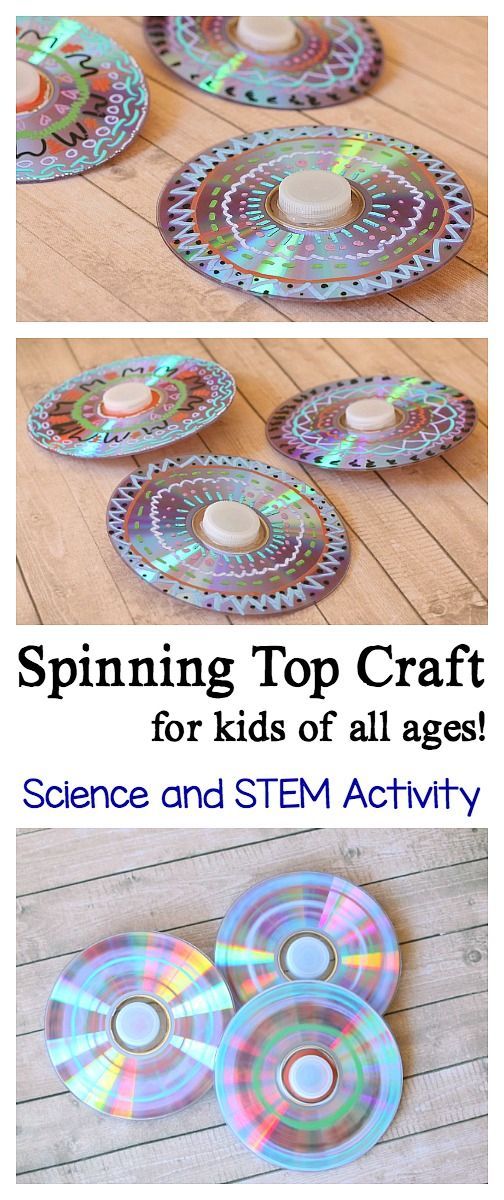


Educate students, teachers, and staff about the recycling program. Organize assemblies, create posters, and send newsletters to ensure everyone understands the importance of the program and how to participate.
Monitoring and Maintaining the Program
Assign student "recycling monitors" to oversee the bins and ensure they are being used correctly. These students can also educate their peers and report any issues to the school's recycling coordinator.
Regularly maintain the recycling bins to keep them clean and functional. This includes emptying them when they're full, cleaning them to prevent odors, and restocking them with liners as needed.
By implementing these recycling projects and programs, elementary schools can create a culture of sustainability. Students will learn about the importance of environmental responsibility and develop habits that will benefit them and the planet throughout their lives. Encourage students to share their knowledge with their families and communities, multiplying the impact of these projects exponentially.
Related Articles
Cool Recycling Projects for Schools
In the quest to create a sustainable future, schools play a pivotal role. By integrating recycling projects, schools can instill eco-conscious values in...
Recycling Ideas for Schools: Creative Project Inspiration
Recycling is a vital practice that helps conserve natural resources, reduces pollution, and saves energy. Schools, as hubs of young, impressionable minds, are...
Recycling Ideas for School Students Creative Eco Projects
Recycling ideas for school students can turn everyday classroom routines into powerful habits that protect the planet. When students learn to see value in what...

Fun Recycling Project Ideas For 1st Graders Elementary School Crafts Upcycling Kids
Introducing recycling project ideas for 1st graders opens a world of vibrant, hands-on learning that feels like play while teaching essential life lessons. At...

Simple Recycling Ideas for Schools Projects EcoFriendly Tips
Simple recycling ideas for schools projects transform everyday classroom waste into meaningful learning experiences that educate students about sustainability...

Inspiring School Recycling Initiatives: Green Programs for Students
Recycling initiatives for schools represent one of the most practical ways to educate the next generation about environmental responsibility. When students...