Rib Tips vs Riblets The Ultimate Showdown For Tenderness And Flavor
When comparing rib tips vs riblets, barbecue enthusiasts often face a delicious dilemma at the butcher counter or menu, since both cuts come from the same primal section of beef and share a deeply beefy character. Rib tips sit just below the short plate, forming the pointy, flap-like section near the brisket, while riblets are trimmed from the rib primal between the loin and plate, giving them a straighter, more compact shape. Understanding these structural differences is key to choosing the right cut for your grill, smoker, or braise, and it sets the stage for appreciating how flavor, texture, and technique play out differently on the plate.
Both rib tips and riblets offer rich marbling and intense savoriness, but they deliver that experience in distinct ways due to bone involvement, fat distribution, and muscle fiber direction. Chefs and home cooks alike weigh factors like cook time, equipment, and desired eating experience when deciding which cut to feature at a cookout or a special dinner. Looking closely at rib tips vs riblets helps you match the cut to your method, whether you want bold, smoky char or controlled, braised tenderness. This comparison highlights how small anatomical details can have a big impact on the final bite.
Anatomy and Origin
The rib tips vs riblets conversation starts with anatomy, because location on the animal determines how the meat behaves during cooking. Rib tips are the lower, curved segment of the short plate, right in front of the brisket, and they include a mix of bone, cartilage, and well-marbled muscle that softens beautifully with slow heat. Riblets, by contrast, are cut from the rib primal between the loin and plate, trimmed into short, meaty sections that expose the rib bone but keep a more uniform, rectangular profile.


From a structural standpoint, rib tips can be more irregular, with variable thickness that requires careful temperature management. Riblets, being more uniform, lend themselves to consistent cooking across a full rack or tray. These physical differences influence how fat renders, how smoke adheres, and how the meat responds to techniques like low-and-slow roasting or high-heat grilling. Understanding the rib tips vs riblets anatomy helps you anticipate how each cut will behave in your chosen cooking environment.
Cut and Preparation
In terms of cut and preparation, rib tips usually arrive as a jagged, hand-cut section with a mix of bone-in and trimmed pieces, depending on the butcher’s approach. Their odd shape can mean more trimming before cooking, but the leftover scraps are often cherished for soups, tacos, or stir-fries. Riblets, shaped by saw cuts across the rib bones, present as shorter, straighter segments with a clean appearance and neatly exposed bone, which makes them popular for restaurant-style presentations and portion control.


The way these cuts are trimmed also affects surface area and fat exposure. Riblets have edges that crisp well under direct heat, while rib tips may have pockets of fat that slowly self-baste the meat as they cook. When evaluating rib tips vs riblets from a prep perspective, consider how much time you want to spend trimming, how neat you want the final dish to look, and whether you plan to use any trimmings for additional components.
Flavor Profile and Texture
Flavor and texture are at the heart of the rib tips vs riblets debate, and both cuts deliver a pronounced beefy punch thanks to their proximity to the rib cage and rich marbling. Rib tips, thanks to their proximity to brisket and connective tissue, can offer a slightly more robust, almost smoky sweetness when cooked slowly, with a texture that ranges from fork-tender to pleasantly chewy. Riblets, with their tighter muscle structure and clean bones, tend to have a subtler, more refined beef flavor and a snappier bite, especially when grilled or roasted to develop a crust.
Fat distribution also differs; rib tips may render more gelatinous fat that contributes to a lush mouthfeel, while riblets often provide leaner bites with periodic pockets of richness. Depending on whether you prefer bold, unctuous bites or cleaner, snappier morsels, your preference in the rib tips vs riblets comparison will guide your choice for everything from weeknight dinners to hosted gatherings.


Cooking Methods and Applications
When it comes to cooking, the rib tips vs riblets comparison becomes a conversation about method and menu fit. Ribtips shine in low-and-slow environments such as smokers, braises, or Dutch ovens, where their collagen breaks down into silky gelatin and their shape allows for flexible portioning on a cutting board or in a bowl. Their irregularity can be an advantage for dishes like rib tip tacos, sandwiches, or hearty stews, where texture and shreddability matter more than picture-perfect presentation.
Riblets, by contrast, excel on the grill, in sheet-pan roasts, or under high-heat finishing methods that capitalize on their exposed bone and tidy shape. Restaurants often showcase riblets as individual portions or small plates because they cook quickly, reheat well, and provide a neat, restaurant-friendly experience. When mapping out your menu, considering whether you need rustic, shreddable rib tips or controlled, serve-easily riblets will steer your prep and equipment choices in the right direction.
Grilling and Smoking
On the grill or in the smoker, rib tips can behave like a wildcard due to their curve and varying thickness, so they often benefit from a two-zone setup and a lid that traps smoke for deep, aromatic flavor. Their fat cap and marbling create a self-basting effect, but monitoring internal temperature is key to avoid overcooking the thinner edges while the thicker points catch smoke. With a little patience, rib tips reward the cook with a bark that carries bold flavor and a tender, almost braise-like bite.


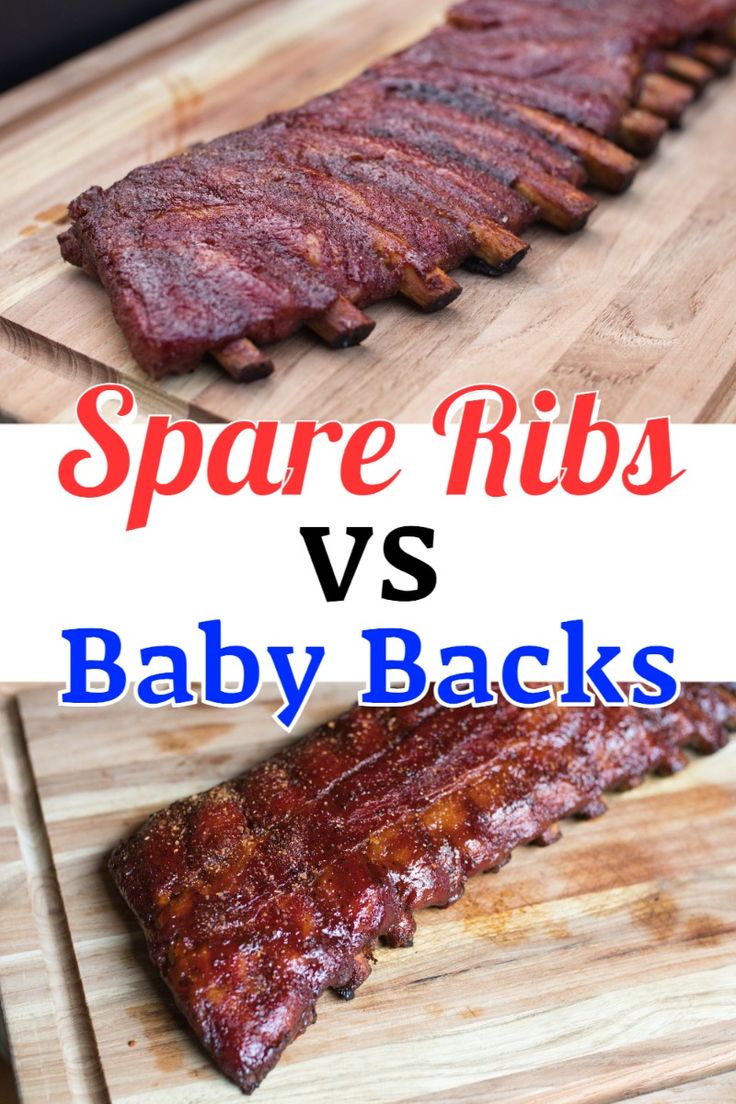

Riblets, especially when cut from the rib primal with consistent length, grill and smoke with restaurant-level consistency. Their exposed rib bone acts like a handle, and the cross-cut edges crisp up attractively, giving diners a mix of meaty bites and crisp, lacquered surfaces. For home cooks who want the visual drama of bone-in steakhouse vibes with the practicality of uniform cook, riblets often win the grilling round in the rib tips vs riblets showdown.
Braising and Stewing
For braising and stewing applications, the rib tips vs riblets debate tilts toward rib tips, thanks to their higher collagen content and shape that cradles sauces. Slow simmering or braising transforms the connective tissue into silk, producing rich, velvety juices that cling to bread or rice. Even their jagged edges can break down into rustic, shreddable bites that make a stew, chili, or rich short-braised plate deeply satisfying.
Riblets can also be braised, though they tend to finish more intact, with the meat slipping neatly off the bone rather than falling apart. If your goal is a clean, composed dish where each riblet sits atop a bed of grains or vegetables, riblets maintain their structure and absorb braising liquids without losing integrity. Matching the cut to your final texture goal is essential when designing dishes that highlight either comfort-food shreds or refined, plate-ready portions.
Serving and Menu Planning
For serving and menu planning, the rib tips vs riblets choice can shape not only prep logistics but also how guests experience the dish. Rib tips work beautifully in family-style or casual settings where diners are encouraged to pick meat from the bone and use the pieces as a base for sandwiches, bowls, or loaded sides. Their approachable, rustic vibe makes them ideal for backyard gatherings, communal plates, or dishes where sauce and texture take center stage.
Riblets fit formal dinner settings, small plates, or tasting menus that rely on portion control, quick service, and polished presentation. Because they cook evenly and are easy to plate, they reduce waste and streamline service during busy nights. If you are building a menu that spans from laid-back comfort food to refined dining, understanding the rib tips vs riblets dynamic lets you pivot the same primal ingredient to suit wildly different occasions.
Recognizing how rib tips and riblets differ in origin, texture, and ideal cooking applications empowers you to match each cut to the right technique, equipment, and dining context. One delivers hearty, shreddable richness perfect for braises and casual crowds, while the other provides consistent, plate-ready morsels that perform well on the grill or in structured service. Let your menu goals and cooking style guide your pick, and let the unique qualities of each cut inspire more flavorful, intentional barbecue and steakhouse creations tailored to the diners in front of you.
Related Articles

Rib Tips vs Ribs: The Ultimate Showdown for BBQ Lovers
When you walk into a barbecue joint or fire up the smoker at home, the question of rib tips vs ribs often determines how your meal turns out. Understanding the...

Spare Rib Tips vs Spare Ribs: The Ultimate Cooking Showdown
When people talk about barbecue favorites, spare rib tips vs spare ribs often sparks a lively debate among grill masters and food lovers. Understanding the...

Baby Back Ribs vs Riblets: The Ultimate Showdown For BBQ Lovers
When you walk into a barbecue restaurant or glance at a menu online, the question of baby back ribs versus riblets often appears at the top of your list. These...

Baby Back Ribs vs Riblets: The Ultimate Showdown
When you walk into a barbecue restaurant or glance at a menu at a cookout, the choice between baby back ribs and riblets often feels simple, yet it hides a...

Ultimate Cowboy Rub Recipe for Maximum Flavor and Tenderness
Every great steak dinner deserves a memorable finish, and a well-crafted cowboy rub recipe is the perfect way to achieve that lingering, savory finish on the...

The Ultimate Guide to Being a Tiki Owner: Tips Trends and Profits
Ever wondered about the fascinating world of tiki culture and the dedicated individuals who bring it to life? Meet the tiki owner, a passionate enthusiast who...